Thai Government Cracks Down on Chinese "Grey Businesses": Minister Akanat Promphan Leads Charge
In the tropical heart of Southeast Asia, a serious problem has emerged, cloaked in shadows and whispered accusations. A slew of dubious Chinese-owned factories have stealthily set up shop in Thailand, leaving behind a…
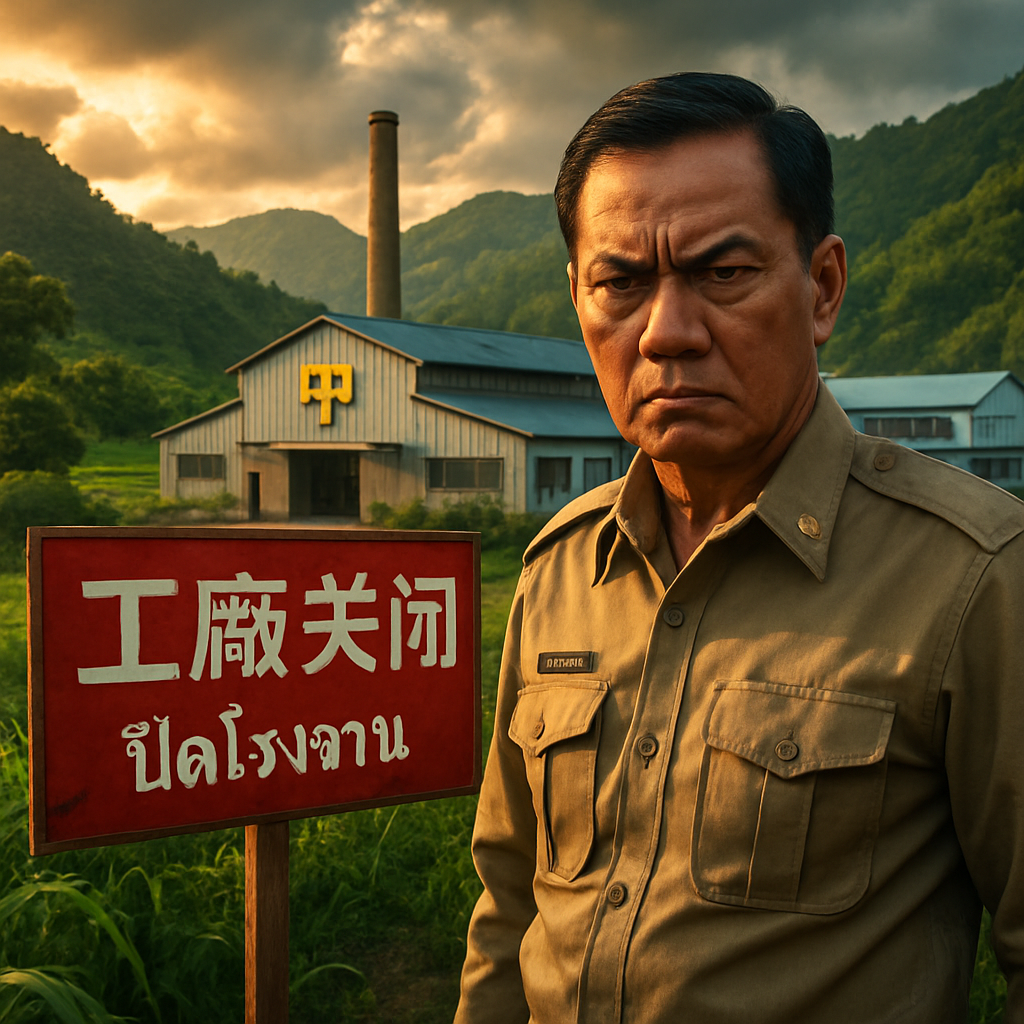
In the tropical heart of Southeast Asia, a serious problem has emerged, cloaked in shadows and whispered accusations. A slew of dubious Chinese-owned factories have stealthily set up shop in Thailand, leaving behind a trail of economic disruption and environmental chaos. Finally, the Thai government has decided enough is enough and has initiated a hardline crackdown against these clandestine "grey businesses" that have been operating under the radar for years.
Led by Industry Minister Akanat Promphan, this campaign, fittingly dubbed "Sud Soi" or "all the way," is targeting these unlawful foreign-owned business ventures. Promphan's determination to rectify the years of lax law enforcement is palpable. "This isn’t a new policy. It’s what should have been the norm," Akanat states, his resolve cutting through the haze of past negligence like a beacon of change.
The crackdown casts a spotlight primarily on foreign investors, predominantly from China, who have allegedly exploited Thailand’s lenient oversight to discreetly establish illegal factories. These operations churn out subpar steel with outdated technology, flooding the market with inexpensive imports that devastate local Thai businesses. Akanat rings the alarm: “These factories dump poor-quality steel at rock-bottom prices, decimating our local industry. Profits are expatriated, while we inherit only the pollution.”
As if in a scene from an environmental thriller, the Ministry has unveiled a tangled web of illegal recycling and waste management facilities, operating sans proper environmental safeguards. Provinces like Rayong, Chon Buri, Prachin Buri, and Chachoengsao, unfortunately, have been turned into toxic waste dumps. Rooted in the decisions of the disbanded National Council for Peace and Order (NCPO), these businesses were once unwittingly given a green light, bypassing zoning laws.
“These grey businesses generate tens of billions of baht,” Akanat notes, frustration tinging his words. “This money, which ought to circulate within our economy, is being sent abroad, leaving us to foot the environmental bill.” A particularly notorious case is that of Sin Ker Yaun Steel, a company in hot water over allegations of producing inferior materials tied to the collapse of a government building during an earthquake. With over a thousand complaints filed against it, Sin Ker Yaun has become the poster child of this industrial scourge.
Yet, Minister Akanat Promphan insists that this is merely the beginning. His objectives are as comprehensive as they are ambitious. His team is busy drafting stricter regulations for industries like steel, plastic, and rubber. Simultaneously, they are courting high-quality, sustainable investments from countries such as the US and the EU, even welcoming well-intentioned Chinese businesses seeking to clean their act. “This is the start of a new industrial revolution for Thailand,” Akanat proclaims. “We aim for technology transfer, green manufacturing, and genuine accountability. Even if my tenure ends, these reforms will persist and transform the industrial landscape.”
The narrative is still unfolding, with high-stakes drama unfolding against a backdrop of environmental and economic reforms. If Akanat succeeds, this could be the dawn of a new era for Thailand — one defined not by its issues but by its relentless resolve to address them with integrity and foresight.



Comment verification
Step 1 of 3
Verify your email once to publish your comment. Your email is never shown publicly.
Enter the 6-digit code sent to .
Choose the display name shown next to your comments.