Thailand

Thailand and Indonesia Unite to Rescue and Return Orangutans: A Milestone in Wildlife Conservation

In a move that resonates with the heartwarming resolve to combat wildlife trafficking, Thailand is set to return four rescued orangutans to their native Indonesia by the close of this year. This gesture not only…
Thailand and Indonesia Unite to Rescue and Return Orangutans: A Milestone in Wildlife Conservation

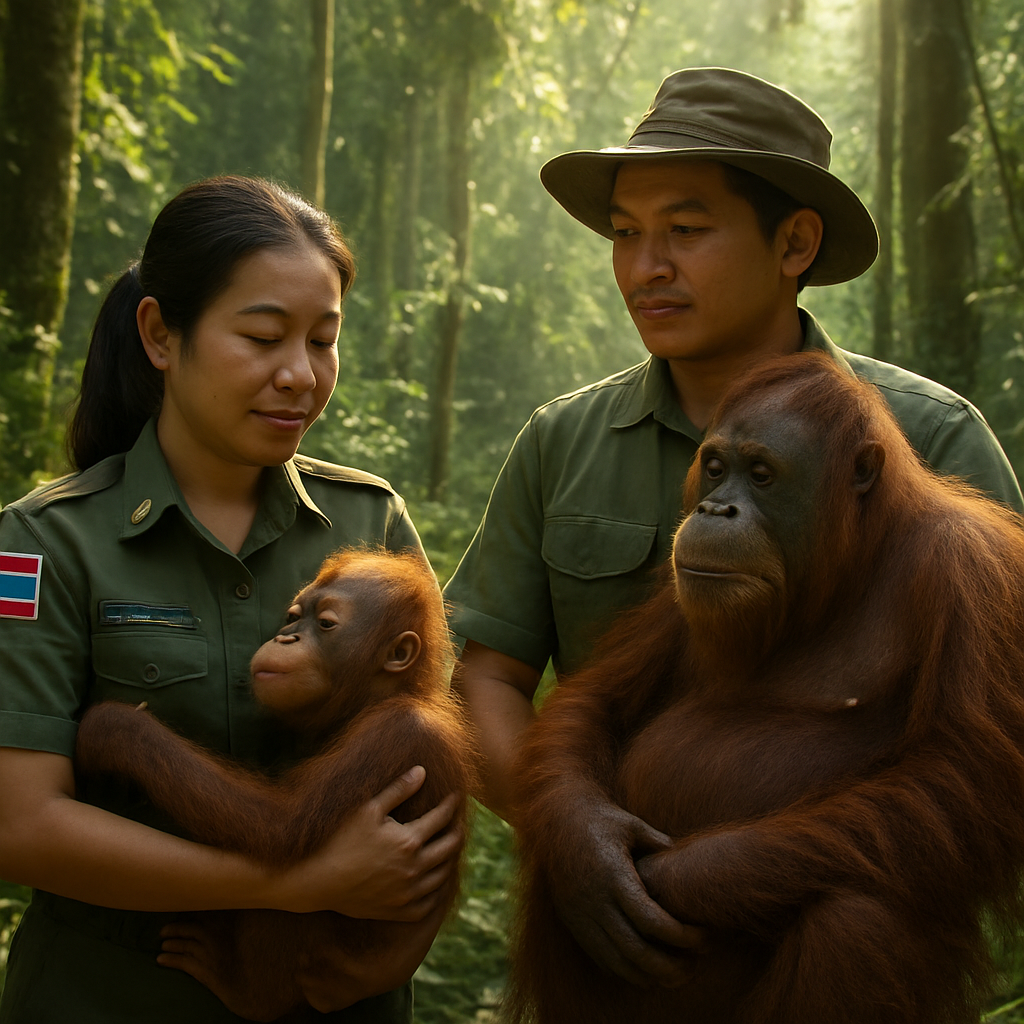
In a move that resonates with the heartwarming resolve to combat wildlife trafficking, Thailand is set to return four rescued orangutans to their native Indonesia by the close of this year. This gesture not only signifies a dedicated step in the ongoing battle against the illegal trade of wild animals but also commemorates the 75th anniversary of the diplomatic ties that bind the two nations together.

The Thai Department of National Parks, Wildlife and Plant Conservation (DNP) recently unveiled details of these orangutans' harrowing journey. These majestic creatures, who share a surprising amount of DNA with humans, were caught amid covert operations demonstrating the grim underbelly of wildlife trafficking. In a striking raid on January 21 in Chumphon province, three of these great apes were rescued. A few months later, in a sting operation right in Thailand’s bustling capital of Bangkok, two more were seized. Regrettably, during their stint in state care, one orangutan could not overcome the trauma and succumbed.

As of now, the surviving orangutans are receiving tender care at the Khao Prathap Chang Wildlife Rescue Centre, nestled in the serene embrace of Ratchaburi province. Here, they are undergoing a meticulous rehabilitation process. Trainers and veterinarians work tirelessly, preparing them for their eventual journey home, a journey that symbolizes hope and renewal.

Leading the charge on this mission is Sadudee Panpakdee, the director of the department's Convention on International Trade in Endangered Species (CITES) division. Panpakdee emphasized the renewed vigour in dialogues between Thai and Indonesian authorities, a collaboration that now hums with promises to thwart cross-border wildlife crimes. "This year, sending the orangutans back is a potent emblem of our solid bilateral efforts," she affirmed, highlighting the shared commitment to the CITES agreement aimed at conservation and protection of wildlife.

The upcoming repatriation complements a series of new security measures designed to dismantle the syndicates flourishing in the shadowy realms of illegal wildlife trade. Since 2006, the collaborative operations between these two nations have seen a commendable shift, with 74 orangutans being returned to Indonesia, the largest group being a remarkable 48 in November 2006.

This poignant initiative is a part of a continued crackdown on the menacing smuggling networks and illicit exotic pet traders within Thailand. Most of these nefarious operations use the country as a pivotal transit hub for trafficking rare, protected species—a somber reality underscored by the Bangkok Post.

Indonesia, the proud custodian of one of Earth's last bastions of orangutan populations, remains unyielding in its resolve to work hand-in-hand with regional allies, dedicated to repatriating these regal apes abducted from their natural homes. With the habitats of orangutans under relentless pressure and poaching rates heightening, this news is a much-needed beacon of positivity. Conservationists who dedicate their lives to these issues find solace and empowerment in these rare victories, seeing them as hopeful milestones in the enduring treasure hunt to safeguard one of humanity's closet relatives.


28Comments
Sort by:
CJClaire J.··1 pts · 2 replies
CJ
Claire J.
It's fantastic to see Thailand and Indonesia working together to bring these orangutans back home. Wildlife trafficking is such a horrible crime.
1
Eeco_Warrior··1 pts
E
eco_Warrior
Agreed! But let's not forget the countless other animals still suffering due to illegal trade.
1
CJClaire J.·1 pts
CJ
Claire J.
Absolutely, the fight is ongoing. Hopefully, this collaboration sets a precedent for future rescues.
1
JJohnDoe123··1 pts · 2 replies
J
JohnDoe123
Why focus on orangutans when there are bigger issues like climate change? This seems like a diversion.
1
Nnature_lover··1 pts
N
nature_lover
Both issues matter! Preserving biodiversity can actually help mitigate climate change.
1
MPMegan P.··1 pts
MP
Megan P.
Every species saved counts towards balancing our ecosystems. We need to tackle big and small issues simultaneously.
1
LBLucy B··1 pts · 2 replies
LB
Lucy B
Such international collaborations are inspiring, but let's hope they translate into long-term solutions for wildlife protection.
1
TTommy··1 pts
T
Tommy
For sure, Lucy! Consistency will make the real difference in conservation efforts.
1
LBLucy B··1 pts
LB
Lucy B
True, Tommy. It's important the momentum doesn't die out after these initial successes.
1
EEcoEm··1 pts · 2 replies
E
EcoEm
Sad to hear about the orangutan that didn't make it. I wonder what more could have been done to save it.
1
Sscience_guy··1 pts
S
science_guy
These are often the tragic realities of rescue missions. Trauma is hard to heal, even with the best care.
1
EEcoEm·1 pts
E
EcoEm
So heartbreaking. I'm thankful for those working tirelessly to save as many as possible.
1
Ggrower134··1 pts
G
grower134
Is this really a milestone? Four orangutans returned home after all this time – it seems like progress is slower than it should be.
1
MDMaxwell D··1 pts · 2 replies
MD
Maxwell D
It's crucial we spotlight the networks involved in trafficking. Naming and shaming these criminals might deter future crimes.
1
PLPenny L.··1 pts
PL
Penny L.
I agree, but dismantling these mafias might require more severe legal actions and international transparency.
1
MDMaxwell D·1 pts
MD
Maxwell D
Definitely, Penny. We need global cooperation to catch and prosecute these traffickers.
1
ACAli C.··1 pts · 1 reply
AC
Ali C.
I wish we could see more operations like this. It's about time nations took collective responsibility for the planet's wildlife.
1
GGreenThumb··1 pts
G
GreenThumb
Yes! Protecting wildlife is a shared duty. Dominating nature only brings more harm to humanity.
1
SSeenItAll··1 pts · 1 reply
S
SeenItAll
Hope the authorities get better at intercepting these smuggling routes. The animals deserve to enjoy their natural habitats.
1
RRainForest42··1 pts
R
RainForest42
Indeed. Strengthening border security will be crucial. Education also plays a part in awareness.
1
MTMichelle T.··1 pts · 2 replies
MT
Michelle T.
How wonderful to see countries valuing wildlife over profit. Too often, respect for nature is overshadowed by financial gain.
1
SSkeptic12··1 pts
S
Skeptic12
Let's not kid ourselves. Corruption is still rampant. We need a new generation of leaders who prioritize ethics.
1
MTMichelle T.··1 pts
MT
Michelle T.
You're right, but every small victory matters. Let's hope for more ethical leadership in the future.
1
JRJack R··1 pts · 1 reply
JR
Jack R
I just can't get over how we're still dealing with wildlife trade in 2023! Is nothing sacred anymore?
1
EEmma_L··1 pts
E
Emma_L
Exactly, Jack. It’s a continual challenge to adapt policies to combat modern trafficking modalities.
1
JJenny··1 pts
J
Jenny
instead of governments spending money on repatriation flights for orangutans, how about bolstering in-situ conservation efforts?
1
WWildlifeWatcher··1 pts · 1 reply
W
WildlifeWatcher
I'm glad to read about the rescued orangutans, but we need to address the root causes of the illegal trade.
1
BKBrian K··1 pts
BK
Brian K
You're spot on. Education and poverty alleviation in source countries could go a long way.
1
