Thailand Boosts Support for Islamic School Teachers with 721 Million Baht Budget
Within the serene landscapes of Thailand's southern provinces, there's a significant albeit subtle transformation underfoot, especially in the domain of education. Thanks to a recent cabinet approval, a commendable…
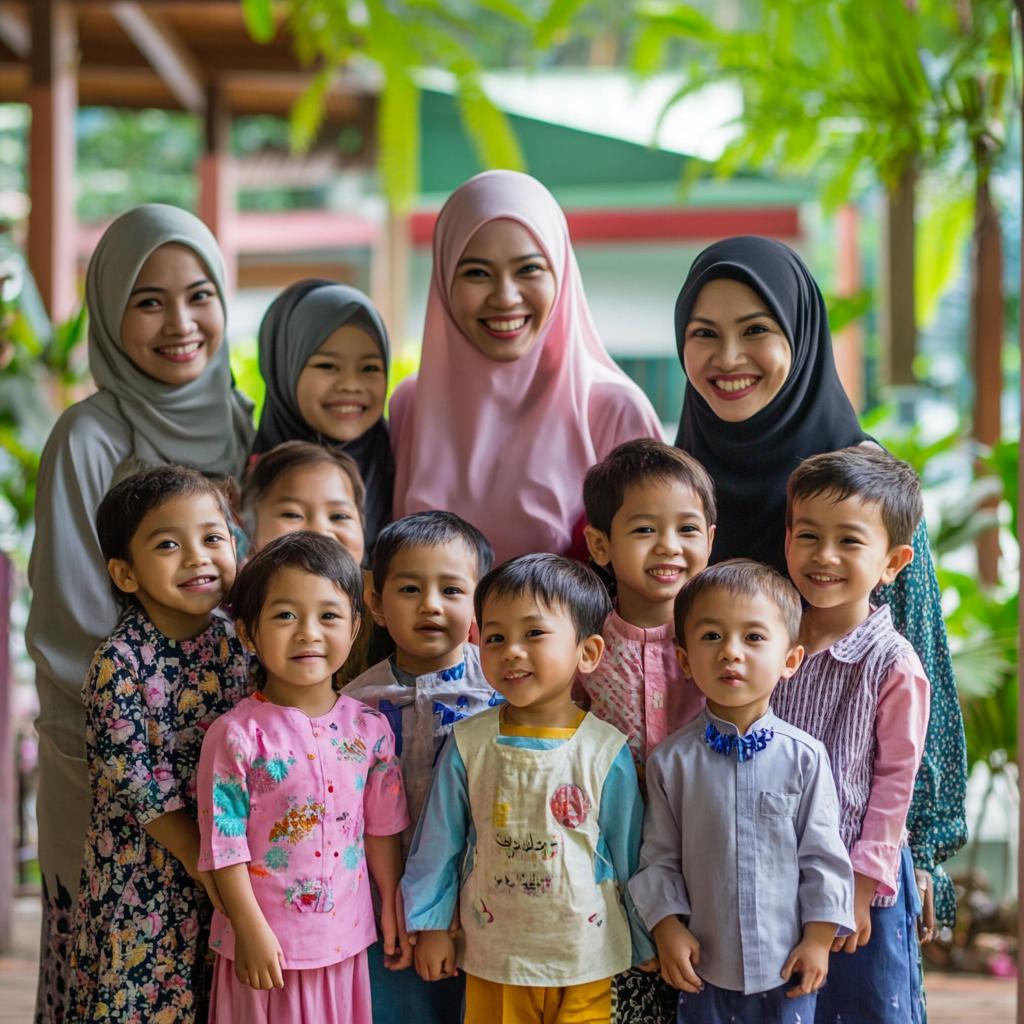
Within the serene landscapes of Thailand's southern provinces, there's a significant albeit subtle transformation underfoot, especially in the domain of education. Thanks to a recent cabinet approval, a commendable financial windfall has been dedicated to uplifting the educational landscape, specifically focusing on the unsung heroes of knowledge - the religious teachers in Islamic schools. With an impressive annual budget of 721 million baht cleared for this noble cause, it's a clear nod to the pivotal role these educators play in peace-building efforts.
As the world turns and new challenges arise, the provinces of Pattani, Yala, Narathiwat, and Satun, along with the distinct districts of Chana, Thepa, Saba Yoi, and Na Thawi in Songkhla, are positioned at the heart of this initiative. The spotlight is firmly on fortifying the morale and financial standing of the teachers enlightening young minds in these regions. Deputy government spokesman Anukul Prueksanusak, a beacon of hope in this educational renaissance, conveyed this on a sun-drenched Tuesday, casting a vision for the future where education serves as a bridge to lasting peace.
Tadika (kindergarten) teachers, those gentle souls introducing the youngest to life's moral compass, shall see a monthly rise in their salaries by 3,000 baht to 3,500 baht. The teachers in pondok (boarding) schools, bearing the mantle of religion-based instruction, are set to enjoy salary bumps ranging between 2,000 and 4,000 baht a month. Such gestures may seem modest, yet they carry significant implications for the stability and contentment of educators, ensuring their undivided focus on nurturing young minds.
Private school teachers, who walk the challenging path of integrating the national curriculum with Islamic teachings, will be similarly rewarded. Their diligent efforts are recognized with a salary increase between 2,000 to 3,500 baht monthly, which is a step towards acknowledging their dual efforts in both academic and religious education. Islamic private schools functioning outside the conventional system aren't left by the wayside either; they too will see their hard work rewarded with pay raises ranging from 1,000 to 3,000 baht.
This budgetary decision, poised to take effect with the onset of the new fiscal year in October, promises more than just monetary gain. It signifies a societal embrace of the values of education and peace, a harmonious blend that these educators cultivate every day. As these developments unfold, one can hope that the path paved today leads to a brighter, more inclusive tomorrow for the children of Thailand's southern provinces.
As readers steep themselves in this development, it is hoped that each highlight and monetary figure spells out more than just numbers. It's about the dreams these teachers help build, the peaceful futures they strive towards, and the simple truth that education is a cornerstone of progress and harmony in any society.



Comment verification
Step 1 of 3
Verify your email once to publish your comment. Your email is never shown publicly.
Enter the 6-digit code sent to .
Choose the display name shown next to your comments.