Thailand Braces for Impact: Iran-Israel Conflict's Ripple Effect on Commerce and Economy
In the midst of whispers of an escalating conflict between Iran and Israel, the winds of concern have swept through the corridors of Thailand's Ministry of Commerce. The looming storm on the geopolitical horizon has set…
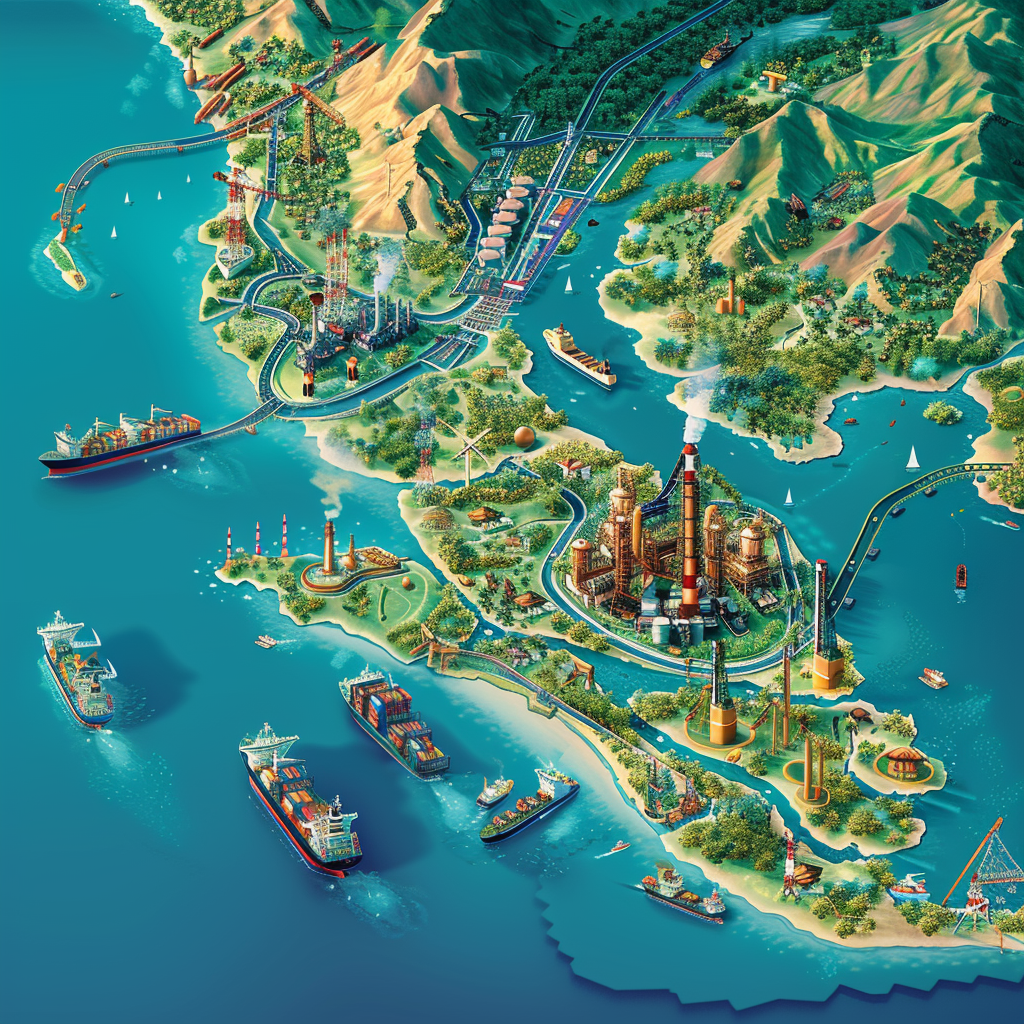
In the midst of whispers of an escalating conflict between Iran and Israel, the winds of concern have swept through the corridors of Thailand's Ministry of Commerce. The looming storm on the geopolitical horizon has set alarm bells ringing loud and clear, prompting an array of measures to be put into play. With the keen eyes of Prime Minister Srettha Thavisin firmly fixed on the unfolding drama in the Middle East, his directive to state agencies to stay vigilant and prepared could very well be the stitch in time that saves nine.
The recent exchange of fire, featuring Iran's missile and drone counterpunch against Israel, marks a significant escalation from the shadowy tug-of-war the two nations have engaged in. This bold direct confrontation, a stark departure from Iran's traditionally proxy-driven scuffles, has the world bracing for the ripple effects. Commerce Minister Phumtham Wechayachai, not one to sit back, swung into action, tasking his team and Thai commerce diplomats across the globe to assess and anticipate the fallout on Thai trade and commerce.
While Thai-Iranian trade lanes seem to have dodged the immediate aftershock of the weekend's skirmishes, the plot thickens with the Strait of Hormuz's strategic significance coming into sharp focus. This slender maritime lifeline, edged by Iran and the Arabian Peninsula, is the pulse point for the oil heartbeat that nourishes much of the Middle East's economies, including oil juggernauts like Saudi Arabia, and the UAE. With a staggering 21 million barrels of oil threading through its waters daily, any disruption could set off a cascade of economic tremors felt far beyond its shores.
The specter of this vital trade route being choked off by conflict poses a daunting challenge, with the potential to send shockwaves through global energy markets, elevate transport costs to dizzying heights, and leave countries scrambling for alternatives. Thailand, mindful of the precarious tightrope it walks, is arming itself with contingency plans, aiming to shield its economy and export sector from fallout.
In echoes of concern that resonate with the National Economic and Social Development Council's analysis, the specter of a protracted conflict spells trouble, with fuel and LPG prices in the crosshairs. The already strained capacity to cap fuel costs could buckle under pressure, with LPG prices projected to climb as the nation's oil fuel reserves dwindle.
Amidst these tumultuous waves, Kriengkrai Thiennukul of the Federation of Thai Industries stands as a beacon of foresight. Calling for a robust risk management blueprint, he underscores the imperative for Thailand to navigate these troubled waters with acumen and agility. As history has often shown, amidst the greatest of upheavals lie the seeds of opportunity, and for Thailand, steering a course through this tempest might just unveil new horizons of resilience and innovation.



Comment verification
Step 1 of 3
Verify your email once to publish your comment. Your email is never shown publicly.
Enter the 6-digit code sent to .
Choose the display name shown next to your comments.