Thailand Prosecutors Indict 23 Over OAG Building Collapse
Thailand’s long, slow unspooling of accountability in the wake of the devastating collapse of the new Office of the Auditor General (OAG) building took a sharp turn on December 26, 2025, when prosecutors accepted police…
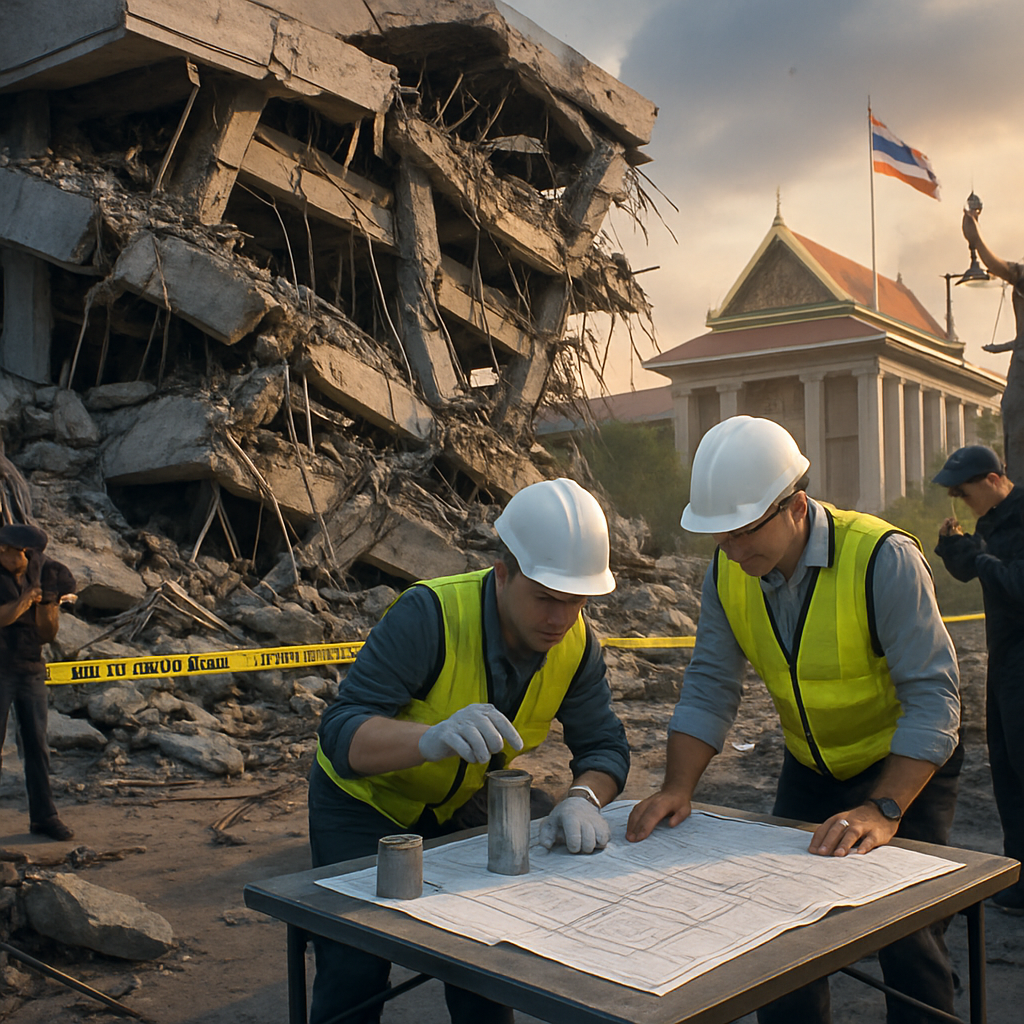
Thailand’s long, slow unspooling of accountability in the wake of the devastating collapse of the new Office of the Auditor General (OAG) building took a sharp turn on December 26, 2025, when prosecutors accepted police recommendations to indict 23 individuals and corporate entities. The case — born from the tragic March 28, 2025 collapse that cost lives and shook public confidence — has now been forwarded to the Criminal Court, setting the stage for courtroom drama that could reshape how the country builds and governs public projects.
From the ground up: what investigators found
The official fact-finding committee’s reconstruction of the collapse reads like a forensic engineering thriller, and none of its findings are flattering. The failure began low and fast: the collapse initiated at floors one through four, where investigators determined that earthquake-related shear forces overwhelmed shear walls that simply didn’t meet required engineering standards. In plain terms, the structural elements meant to resist lateral forces were too weak — and the building paid the ultimate price.
Concrete samples taken from the site tested below Thailand’s legal strength thresholds. Construction drawings, too, failed to comply with building control laws: the paperwork didn’t match the safety requirements on the books, meaning the structure couldn’t legally or safely carry the loads the law demands. Adding to the catalogue of defects, reinforcing steel in several areas was cut—or installed—shorter than legally mandated, weakening vital connections and undermining the building’s integrity.
Charges and broad-reaching investigations
Bang Sue Metropolitan Police Station has completed the criminal case file and recommended indictments that reach across the full lifecycle of the project: designers, supervisors, contractors, and corporate actors. The charges are serious and multifaceted, including negligence causing death, conspiracy, forgery and use of forged documents, and violations of building control regulations and public procurement laws. In short, investigators aren’t just pointing fingers at construction crews — they’re implicating the entire system that allowed this project to proceed.
Meanwhile, the Department of Special Investigation (DSI) has urged prosecutors to approve additional indictments tied to alleged nominee arrangements under the Alien Business Act and suspected bid-rigging in government contracts. Those lines of inquiry suggest the probe may expose not only technical failures but alleged financial and regulatory manipulation that could involve domestic and foreign business relationships.
Separate probes, shared consequences
Allegations that state officials may have committed misconduct have been forwarded to the National Anti-Corruption Commission for further review, while the Comptroller General’s Department launched a parallel audit to examine procurement and contract compliance. The net being cast is wide: criminal liability, anti-corruption scrutiny, and financial audits are all running in parallel. For victims’ families and citizens who watched the building’s collapse live on television, the overlapping investigations represent the possibility of systemic accountability rather than a single scapegoat.
The OAG’s response
The Office of the Auditor General has repeatedly stated that it has cooperated fully with investigators, supplying documents, technical records, and clarifications as requested. The OAG emphasized its support for a transparent legal process and vowed to take action against any officials found to have committed wrongdoing. In its statements, the agency stressed that accountability is essential to restoring public trust — a trust badly eroded by both the loss of life and the apparent failures revealed by the investigations.
Why this matters beyond one collapsed building
At stake is more than criminal liability for those directly involved; the indictments highlight vulnerabilities in Thailand’s public procurement, construction oversight, and enforcement of engineering standards. When structural elements, concrete mixes, or reinforcement details don’t match laws or drawings, the risk is existential. The OAG building collapse has become a high-profile case study on how shortcuts, falsified documents, or lax supervision can translate into human tragedy.
For the public, the next chapter will be watched closely: will the courts and oversight bodies deliver accountability that’s meaningful rather than symbolic? Will procurement reforms and enforcement tighten to prevent future failures? Will families of victims see justice? The 23 recommended indictments mark a significant step in answering those questions — but they’re only the beginning of a process that many hope will lead to long-term reform.
As the Criminal Court prepares to take up the case, Thailand faces both a legal reckoning and a reputational test. The collapse was a painful reminder that construction safety is a public trust; the indictments are an early signal that authorities intend to pursue that breach of trust through the courts. Whether that pursuit results in systemic change — and restored confidence — remains the outcome everyone now waits for.



Comment verification
Step 1 of 3
Verify your email once to publish your comment. Your email is never shown publicly.
Enter the 6-digit code sent to .
Choose the display name shown next to your comments.