Thailand Seizes 238 Tonnes of Illegal E-Waste from US: Environmental Action in 2025
Picture this: Under the glaring sun at Bangkok Port in Klong Toey, a diligent worker is knee-deep in a curious mess. Amidst the tangles of metal, he finds an intriguing treasure trove – fragments of electronic dreams…
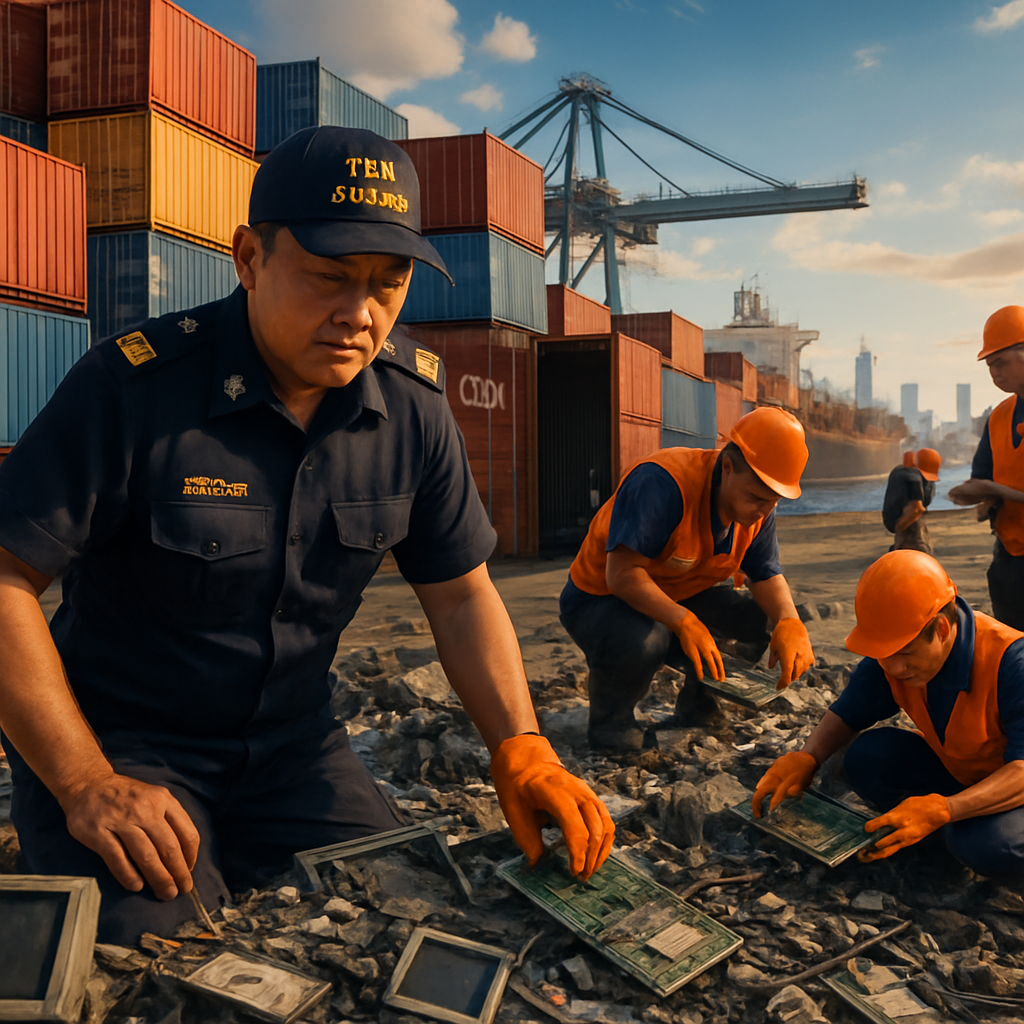
Picture this: Under the glaring sun at Bangkok Port in Klong Toey, a diligent worker is knee-deep in a curious mess. Amidst the tangles of metal, he finds an intriguing treasure trove – fragments of electronic dreams past. You might wonder what these circuit boards are doing here. Well, it turns out, this fascinating heap is part of a clandestine cargo journeyed all the way from the United States.
Earlier this week, Thai officials showcased their detective prowess by seizing a staggering 238 tonnes of electronic waste, discreetly cloaked as "mixed metal scrap." This seized booty, snugly packed in ten hefty containers, is valued at a breathtaking 18 million baht. The Associated Press was on the story, quoting the eagle-eyed Theeraj Athanavanich, the vigilant director-general of the Customs Department, who shed light on the nefarious plot.
But this isn't just another smuggling tale. Oh no, it's a complex web involving mother nature. Mr. Theeraj has the culprits squarely in his sights, citing grave indiscretions like falsifying import documents and sneaking in harmful e-waste. He's made it abundantly clear – the trash's days in Thai palms are numbered; it will soon journey back across the globe to its American birthplace.
In his own words, “It’s crucial we take action against such goods.” For this isn't just about paperwork; it's about shielding the environment. The harm these electronic specters pose to communities near unscrupulous factories is profound. If left unchecked, the consequences could be as tangled as the waste itself – devastating, particularly when these phantoms are resurrected for processing and recycling.
Back in 2020, Thailand drew a line in the sandy shores by enforcing a ban on a spectrum of electronic waste. And just this past February, they fortified this stance with an expanded blacklist. As once-bustling trade routes to China shuttered in 2018, thanks to their own e-waste embargo, other countries in Southeast Asia like Thailand started seeing an influx of this digital debris.
Sunthron Kewsawang from the Department of Industrial Works suspects shadowy maneuvers in Samut Sakhon province, where at least two factories might be dabbling in this underworld import business. The stakes are high. Electronic waste is a Pandora’s box of peril, hiding harmful toxins like lead, mercury, and cadmium within. The allure of precious metals like gold and silver entwines many in its gilded snare, pushing recyclers to the brink, often resorting to unsafe methods to unearth these treasures.
A foreboding update from the United Nations last year spotlighted a troubling trend: a steep climb in global electronic waste, amounting to an alarming 62 million tonnes in 2022, with a soul-chilling projection of 82 million tonnes by 2030. Yet, dishearteningly, only 22% of these waste materials were responsibly collected and recycled. The problem is poised to worsen, slipping to a mere 20% by the decade's end, driven by rampant consumption, scant repair options, abbreviated product lifespans, and insufficient management infrastructure.
The story of this e-waste is more than a tale of technology and trade; it is a clarion call for action, urging us all to rethink, recycle, and relent in our relentless consumption. Only then can we hope to clean the grimy trails of illicit waste and craft a future that sparkles as brightly as the precious metals it covets.



Comment verification
Step 1 of 3
Verify your email once to publish your comment. Your email is never shown publicly.
Enter the 6-digit code sent to .
Choose the display name shown next to your comments.