Thailand to Mandate Medical Certificates for Cannabis Use by July 2025
Thailand, a nation renowned for its rich cultural heritage and vibrant landscapes, is taking a decisive step towards regulating cannabis usage. Public Health Minister Somsak Thepsutin recently announced that cannabis…
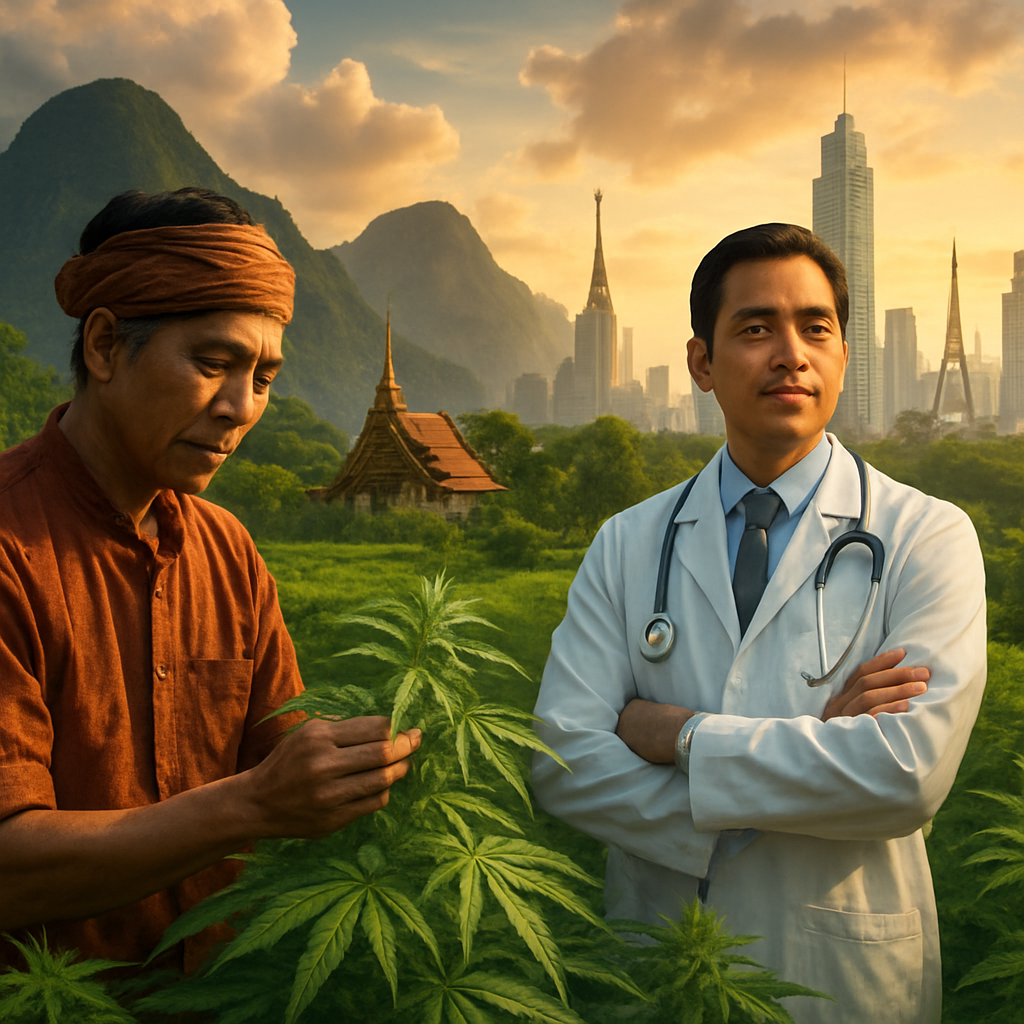
Thailand, a nation renowned for its rich cultural heritage and vibrant landscapes, is taking a decisive step towards regulating cannabis usage. Public Health Minister Somsak Thepsutin recently announced that cannabis aficionados, both local and foreign, will soon require medical certificates to ensure that the beloved plant is used strictly for medical purposes. This move signifies a pivotal turn in Thailand's ongoing romance with cannabis since its decriminalization nearly three years ago.
As Somsak took center stage at a bustling press conference in Bangkok, he underscored the necessity for stringent enforcement by government bodies to mitigate potential complications. The eagerly anticipated regulation mandates that cannabis users present medical certificates issued by certified medical professionals. This esteemed list includes traditional Thai medicine practitioners alongside general physicians, bridging ancient practices with modern-day medical insights.
The clock is ticking, as Somsak expressed his ambition for the Ministry of Public Health to roll out this regulation within 40 days—a sprint in legislative timelines. Dr. Somlerk Jeungsmarn, the visionary Director General of the Department of Thai Traditional and Alternative Medicine, illuminated the objective behind these regulations: to ensure that cannabis remains a medicinal marvel. Potential prerequisites for medical endorsements could embrace conditions like seizures, headaches, pain, and insomnia, spotlighting cannabis's therapeutic spectrum.
Moreover, intriguing restrictions like a one-month dosage cap are on the cards, delineating a clear line between medical use and other indulgences. Prolonged use beyond the stipulated timeline could transform from a health pursuit into a prosecutable offense, with punitive deliberations underway, possibly featuring incarceration as a deterrent.
While many laws, including the actionable cannabis bill, linger in legislative limbo for years, Somsak is leveraging his authority to enhance the ministry’s current notifications on controlled herbs, flexing regulatory muscle in the interim. This move echoes the Bhumjaithai Party's strategic embrace of cannabis decriminalization, recognizing its budding economic potential.
In the heyday of Prime Minister Gen Prayut Chan-o-cha’s governance, former Public Health Minister Anutin Charnvirakul endorsed a regulation that excised cannabis from Thailand's national narcotics list. A move that sparked an unfettered surge in recreational use and engendered a cannabis shop boom nationwide.
The Bhumjaithai Party's legislative endeavors hit a snag, overshadowed by the term conclusion of the Prayut administration. Fast forward to last September, and the Pheu Thai government, against a background of shifting policies, introduced a fresh bill focusing on cementing cannabis usage within health and medical boundaries. The legislation, which is yet to grace the House of Representatives, promises to broaden the cannabis dialogue, allowing its extracts for sanctioned medical treatment, research, and even venturing into herbal, food, and cosmetic realms.
This bill, a brainchild of the Ministry of Public Health under Prime Minister Paetongtarn Shinawatra’s leadership, radiates a more lenient stance compared to its predecessors. Notably absent is the outright ban on recreational use, a clause that previously figured prominently in an earlier draft by Srettha Thavisin’s administration. Yet opposition, notably from Bhumjaithai—the coalition's influential second-largest party—prompted Pheu Thai to rethink, preserving the plant’s accessible allure.
The proposal, however, ushers in a spectrum of stricter licensing protocols concerning the cultivation, sale, and transnational movements of cannabis. This means current stakeholders within this burgeoning industry face a gauntlet of renewing or procuring fresh licenses, a buffer against severe legal repercussions, including harsh fines or the bleak prospect of imprisonment.
As Thailand steers its regulatory vessel through the turbulent waters of cannabis legislation, the societal and economic narratives surrounding the plant continue to weave a complex tapestry. This bold regulatory maneuver exhibits Thailand's commitment to channeling cannabis potential toward health-driven horizons while addressing the challenges of an evolving legal landscape.



Comment verification
Step 1 of 3
Verify your email once to publish your comment. Your email is never shown publicly.
Enter the 6-digit code sent to .
Choose the display name shown next to your comments.