Thailand's Blackchin Tilapia Export Ban: Unraveling the Mystery of Leftover Stock
According to a leaked Fisheries Department document, 11 companies exported a whopping 230,000 blackchin tilapia fish to 17 countries from 2013 to 2016, prior to the implementation of a ban, raising some serious…
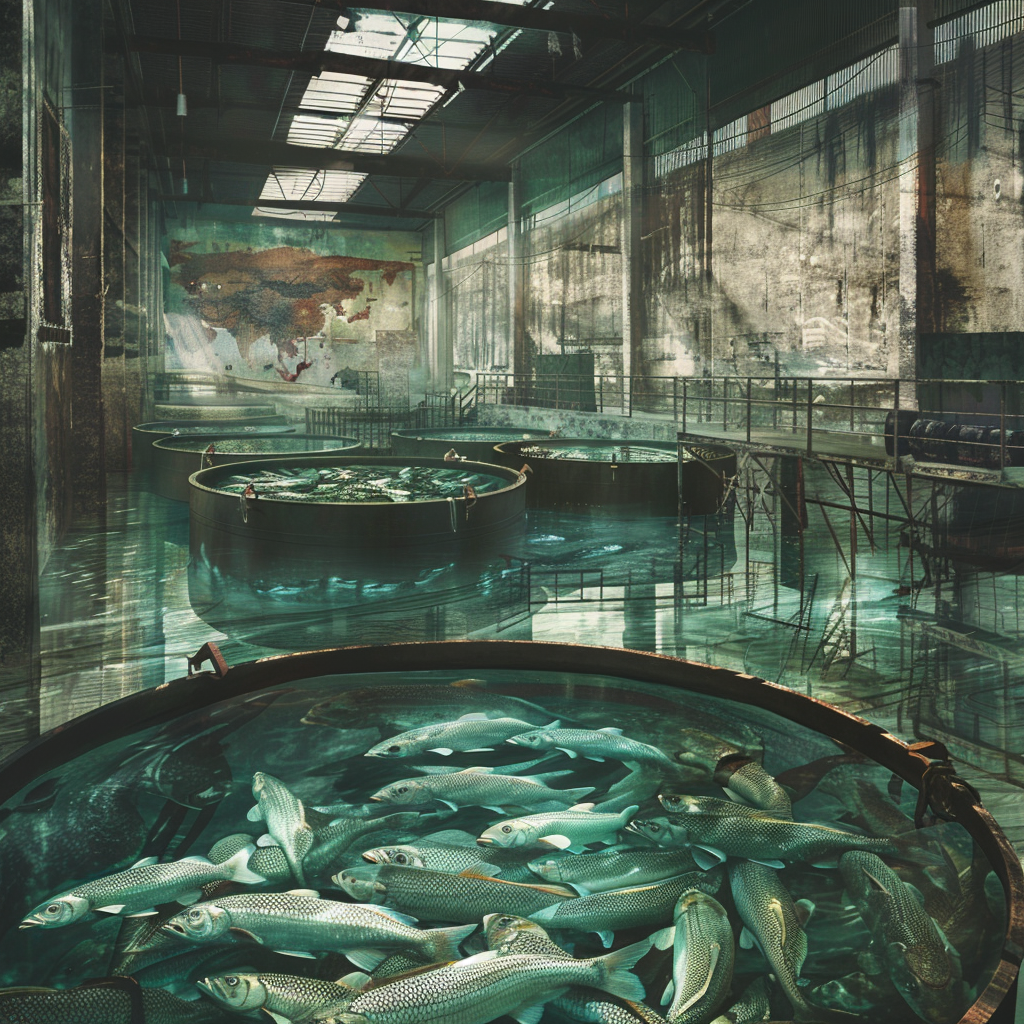
According to a leaked Fisheries Department document, 11 companies exported a whopping 230,000 blackchin tilapia fish to 17 countries from 2013 to 2016, prior to the implementation of a ban, raising some serious questions about what may have happened to any leftover stock.
A source in the exotic fish industry, who obtained the document, revealed that blackchin tilapia were a hit both as ornamental and edible exports. The document highlights that 11 Thai-registered companies were engaged in exporting the West African fish, with the largest exporter alone sending 162,000 blackchin tilapia overseas during that period.
Other exporters played a part too, selling between 2,900 to 30,000 fish each during those bustling years. The source inferred that blackchin tilapia in Thailand came from diverse sources before the 2018 export ban came into place.
This revelation has sparked a myriad of questions: Did these businesses manage to export all of their blackchin tilapia stocks before the ban? More intriguingly, if there were any remaining fish, what became of them? Given the fish’s tendency to invade natural waterways in large numbers, this has stirred considerable concern about their impact on native fish and the delicate balance of local ecosystems.
The Agriculture Ministry has taken a firm stance on this issue, declaring the halt of the spread of this invasive species as a national priority. The blackchin tilapia, they assert, poses a dire threat to local biodiversity.
Adding to the discourse, fisheries official Sutham Limpanich, weighed in yesterday with a solution to the disposal dilemma. He suggests that burying the fish is the most effective means of getting rid of them. In contrast to the sensational approach of chopping off their heads and casting them back into the water—an act that risks allowing any mouth-held eggs to hatch and perpetuate the cycle—burying ensures they are permanently removed from the ecosystem.



Comment verification
Step 1 of 3
Verify your email once to publish your comment. Your email is never shown publicly.
Enter the 6-digit code sent to .
Choose the display name shown next to your comments.