Thailand's Drone Defense Strategy: Lt. Gen. Boonsin Phatklang Leads Security Boost Amid Border Tensions
In a pivotal gathering held on August 2, Lieutenant General Boonsin Phatklang, commanding officer of the 2nd Army Region, convened with the governors of 20 northeastern provinces to strategize the eradication of…
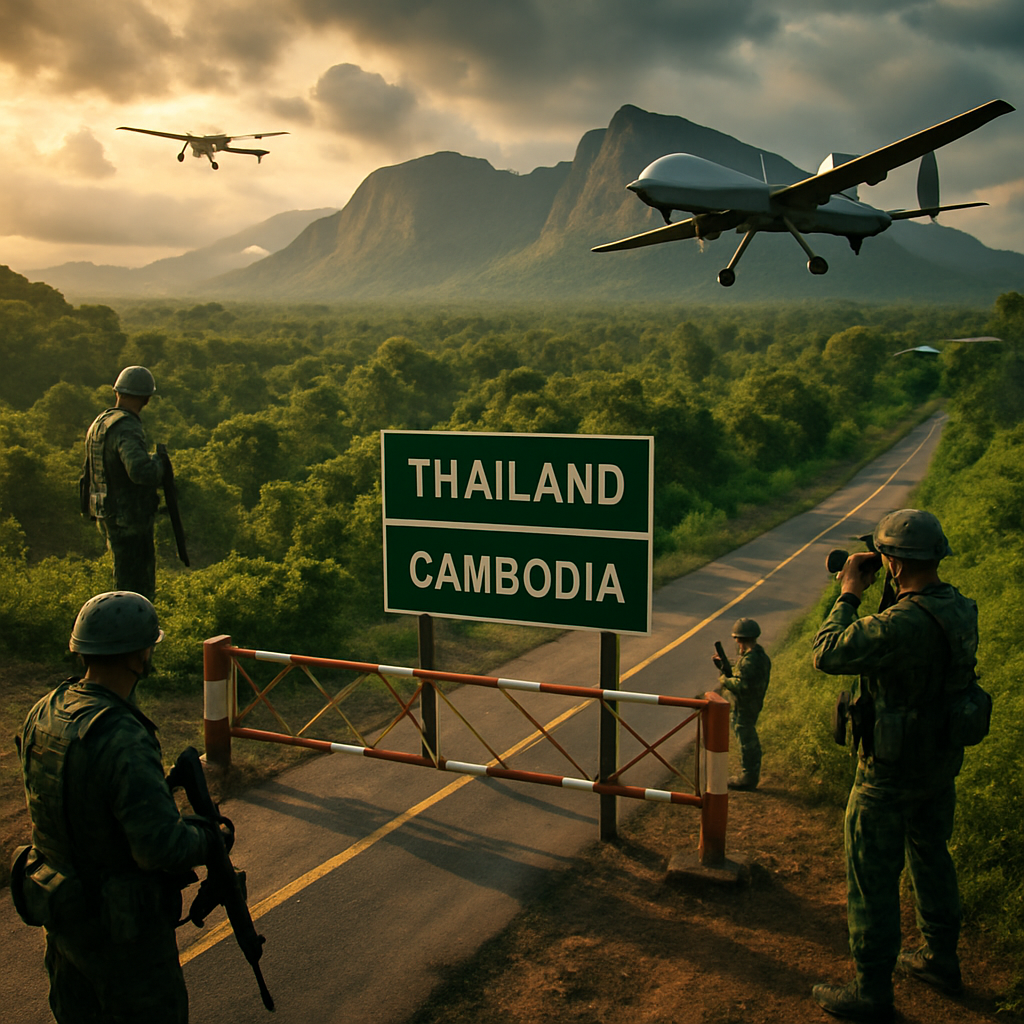
In a pivotal gathering held on August 2, Lieutenant General Boonsin Phatklang, commanding officer of the 2nd Army Region, convened with the governors of 20 northeastern provinces to strategize the eradication of unauthorized drones—an issue that has been buzzing around with the frequency of, well, a drone. The virtual meeting was rife with strategic discussions aimed at boosting drone surveillance and control measures. As the discussion took flight, each governor, donning the hat of the provincial director of the Internal Security Operations Command (ISOC), received their marching orders. A call to arms, if you will, to forge alliances with the local police, private sectors, and community residents to secure anti-drone equipment. Their mission? To shield crucial sites like provincial halls, sports stadia, armories, police precincts, transportation hubs, and the always-bustling airports.
But, wait, there’s more! Vigilant patrols were to be organized to spot anyone who wasn't a local face. Imagine a scene straight out of an intense thriller—mysterious strangers being scrutinized under the watchful eyes of local law enforcers. Those who found themselves in the sticky predicament of being detained faced grave charges, escalating to accusations of terrorism and espionage, with the potential for capital punishment looming ominously. Thorough explorations into legal frameworks were emphasized; the goal was to meticulously trace the origins of threats and expose any under-the-radar third-party involvements. A cunning call center gang or a high-stakes gambling syndicate from a neighboring nation might just be the mischievous maestro orchestrating the bedlam.
Should any detained individuals bear foreign passports, their chapter in Thailand would be closed with a legal finale followed by deportation and a no-return policy—the proverbial door slammed shut. And on the stage of international relations, Lt. Gen. Boonsin shed light on the ongoing tension at the Thai-Cambodian border. Thailand’s military remains ever-alert, ready to snap into action, witnessing Cambodia’s own military muscle-flexing from across the border, adding an element of suspense to this geopolitical play.
Meanwhile, a report from Colonel Ritcha Suksuwanon, Deputy Army Spokesperson, added more plot twists—unveiling an operation where explosive devices and ammunition were neutralized at the historic Yod Phu Khue, an event meticulously communicated to both Thai and Cambodian representatives to avoid any Shakespearean misunderstandings or dramatic flare-ups.
In a nationwide decree, the Civil Aviation Authority of Thailand (CAAT) grounded all drone activity from July 30 through August 15, unless further notice dictates otherwise. This proactive ban forms a stitch in the larger tapestry of national security tightening, a necessary measure amid escalating jitters along the Thai-Cambodian border.
As we pause and digest this unfolding saga, one can't help but admire the sheer audacity of the measures in play—brilliantly weaving together elements of national security with a strategic foresight that speaks volumes. A gripping tale set against the backdrop of Thailand’s dynamic landscape, where the scent of intrigue lingers in the very air we breathe. Stay tuned, dear reader, for as these defensive flanks fortify, this story is far from over.



Comment verification
Step 1 of 3
Verify your email once to publish your comment. Your email is never shown publicly.
Enter the 6-digit code sent to .
Choose the display name shown next to your comments.