Thailand's Eating Habits: A Wake-Up Call from Dr. Panuwat Panket
The lime-drenched skies of Thailand may be a feast for the eyes, but it seems the dining tables tell a more cautionary tale. The Department of Health Promotion (DHPS) has sounded the alarm on the nation's culinary…
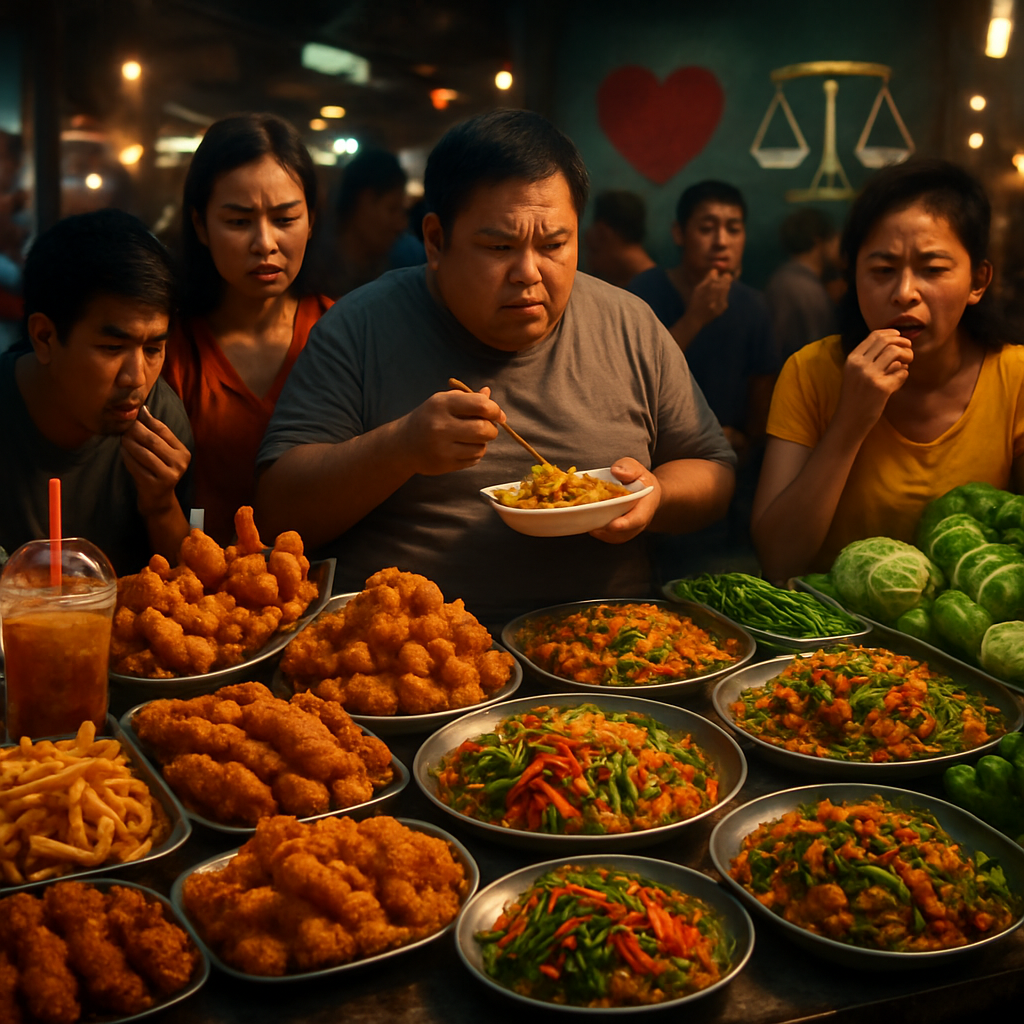
The lime-drenched skies of Thailand may be a feast for the eyes, but it seems the dining tables tell a more cautionary tale. The Department of Health Promotion (DHPS) has sounded the alarm on the nation's culinary habits that, while flavorful, are increasingly unhealthy. Dr. Panuwat Panket, the perceptive guide at the helm of Public Health Ministry's DHPS, disclosed the outcomes of a sprawling survey that canvassed 52,000 eager participants last February. The results? An ominous portrait of a nation indulging in the sweet, salty, and sumptuous.
Imagine this: a week punctuated with delicious indulgence as 51% of those queried confessed to succumbing to the temptation of sugary delights like iced milk tea and syrup-laden coffees at least three times a week. Fat infiltrates their diet, too, with nearly 46% relishing in fried favorites, stir-fries, and the swift embrace of fast food chains. Moreover, 50% can't resist beloved salty staples like som tam and larb, making them regular features of their weekly menus.
The shadow these indulgences cast is a growing concern for health experts. "We're seeing an uptick in non-communicable diseases (NCDs) traceable to these dietary tendencies," Dr. Panuwat elaborated. The ominous roster includes cardiovascular ailments, cancer, chronic respiratory conditions, diabetes woes, and kidney disorders. It's a veritable who’s who of illnesses, right at the dinner table.
But why this culinary calamity? Enter Dr. Adisorn Vatthanasak, the deputy director-general, who points a knowing finger at a lack of nutritional awareness among the populace—particularly the peril posed by sodium. Only a meager 15% appear savvy about the paramount importance of keeping those saltshakers at bay. Intriguingly, more than half of the diners feel anxious about asking chefs to go light on the flavor enhancers, a nod to Thailand’s vibrant yet health-compromising palate.
Minister Somsak Thepsutin paints a broader canvas, highlighting that NCDs aren’t just a personal health crisis but a national economic juggernaut. With over 33 million Thai citizens grappling with these diseases and 400,000 meeting their end from these conditions annually, it's a problem that slices through the nation's economic fabric. "Imagine losing over a trillion baht each year because of NCD-related costs," Somsak pointed out, outlining a figure that gobbles up an estimated 9.7% of the Gross Domestic Product.
Against this backdrop, the National Health Security Office has pledged more than half of its budget, a whopping 152.7 billion baht, to NCD treatment. For 2024 fiscal planning, it’s conjuring a medical balm for a largely avoidable affliction. As Somsak explains, these diseases are, by and large, preventable if citizens can rein in practices like poor diet and sedentary lifestyles, as well as managing exposure to the country’s notorious air pollution.
The message from health officials is clear: it’s time for an epicurean switcheroo. Embrace veggies with zeal and tame those cravings for processed delights bogged down in sugar, salt, and fat. It's more than a suggestion; it's a clarion call to sit up, take notice, and change course for a healthier tomorrow.
In the culinary kaleidoscope that is Thailand, the challenge now lies not in suppressing the rich tapestry of flavor but in ensuring that indulgence doesn't tip into the realm of health calamity. It’s a delicate balance between savor and savings—of lives, economy, and, most poignantly, a culture that thrives around the table.



Comment verification
Step 1 of 3
Verify your email once to publish your comment. Your email is never shown publicly.
Enter the 6-digit code sent to .
Choose the display name shown next to your comments.