Thailand's New Regulation: Controlled Goods Status for Vacuum Cleaners and Air Purifiers to Combat PM2.5 Pollution
In a sweeping move to curb the hazards of PM2.5 pollution, the Thai Cabinet has decisively categorized vacuum cleaners and air purifiers as controlled goods. This fresh regulation, stemming from an earnest endorsement…
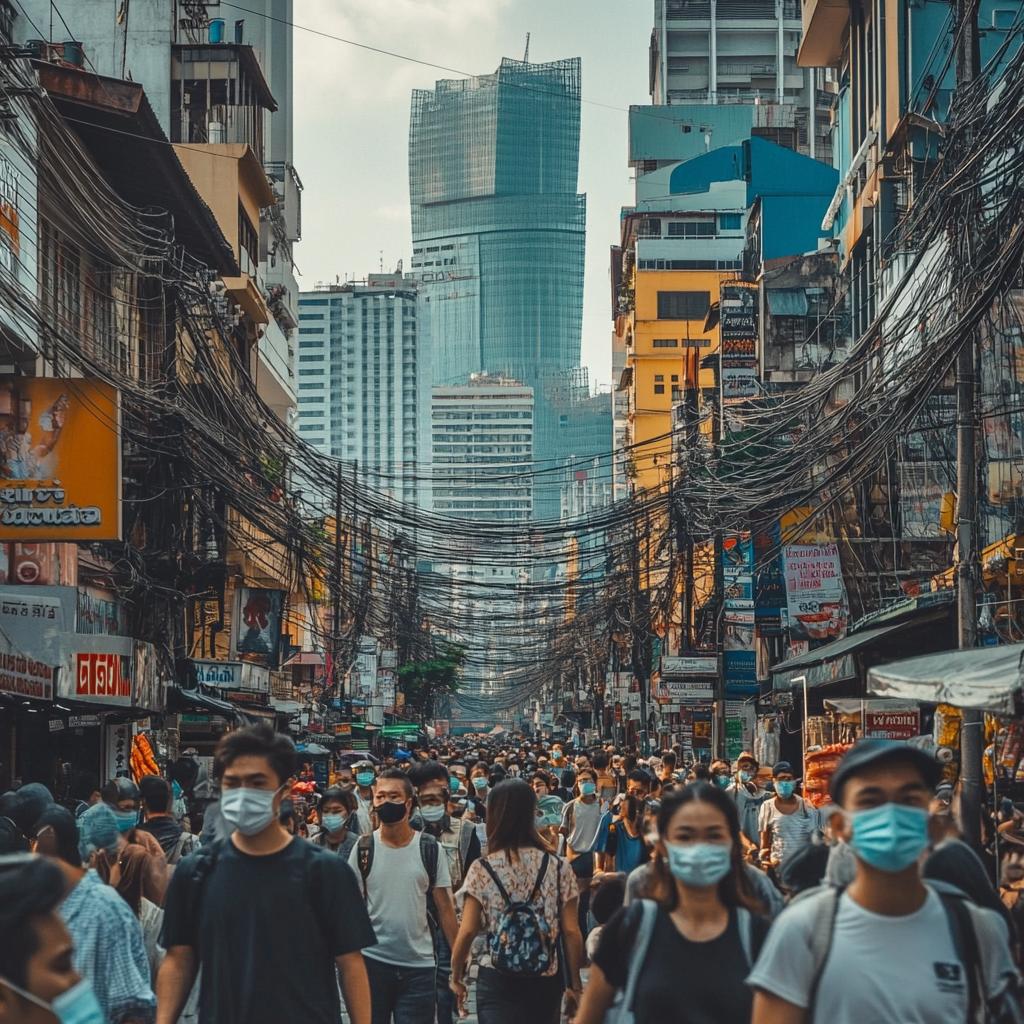
In a sweeping move to curb the hazards of PM2.5 pollution, the Thai Cabinet has decisively categorized vacuum cleaners and air purifiers as controlled goods. This fresh regulation, stemming from an earnest endorsement by the Ministry of Commerce, underscores the pivotal function these gadgets have in mitigating the impacts of harmful air contaminants within homes.
Commerce Minister Pichai Naripthaphan emphasized the importance of these devices, noting their crucial role in shielding against the detrimental effects of PM2.5, especially in densely populated residential zones. Consequently, these apparatuses are now ensconced under stringent regulations designed to stymie price gouging and prevent hoarding.
Amid Thailand’s ongoing struggle with air pollution, the government’s initiative forms a portion of a broader strategy to safeguard consumers within a fiercely competitive arena for indispensable household products. "These devices are imperative for the health and well-being of residents, particularly in areas steeped in PM2.5 pollution," affirmed Naripthaphan. "By designating them as controlled goods, we aim to eschew any unjust profiteering from the burgeoning demand for these crucial products."
Under these fresh mandates, individuals or businesses caught hoarding or artificially inflating prices may sail into treacherous waters, facing penalties as severe as seven years of imprisonment, a hefty fine reaching up to 140,000 baht, or both. The rigorous crackdown aspires to forge a more transparent market milieu, shielding consumers from craft sellers preying on the pollution crisis.
The controls specifically target HEPA filter and ionizer air purifiers meant for indoor settings limited to 80 square meters, alongside both corded and cordless vacuum cleaners equipped with dust-trapping bags or containers, operating within the 500 to 2,000-watt range. Furthermore, importers, manufacturers, and distributors of these indispensable commodities are now compelled to relay product details, including pricing and specifications, to the Department of Internal Trade (DIT) by the 10th of every month.
Previously, the DIT wielded control over 52 goods and five services spanning diverse sectors, encompassing agricultural products, construction materials, and other essential consumer goods. This recent move by the government acts to bolster its fortitude in consumer protection, particularly favoring those susceptible to the negative health ramifications of air pollution, as reported by The Nation.
For consumers feeling the sting of unfair treatment, the government advises reaching out to the DIT via its hotline at 1569, as authorities endeavor to render air quality products affordable and accessible for everybody.
This decisive maneuver illustrates Thailand’s devotion to protecting its citizens' well-being amidst environmental adversities. In a world grappling with increasing pollution, Thailand opts for proactive measures, ensuring every breath taken indoors remains as refreshing as a gentle monsoon breeze.



Comment verification
Step 1 of 3
Verify your email once to publish your comment. Your email is never shown publicly.
Enter the 6-digit code sent to .
Choose the display name shown next to your comments.