Thailand's New Ride-Hailing Regulations 2025: Safe & Efficient Urban Transport
As the sun rises over Thailand on July 10, 2025, a new dawn emerges for the ever-evolving ride-hailing landscape. Imagine the hustle and bustle of motorbikes and cars zipping through the busy streets of Bangkok, each…
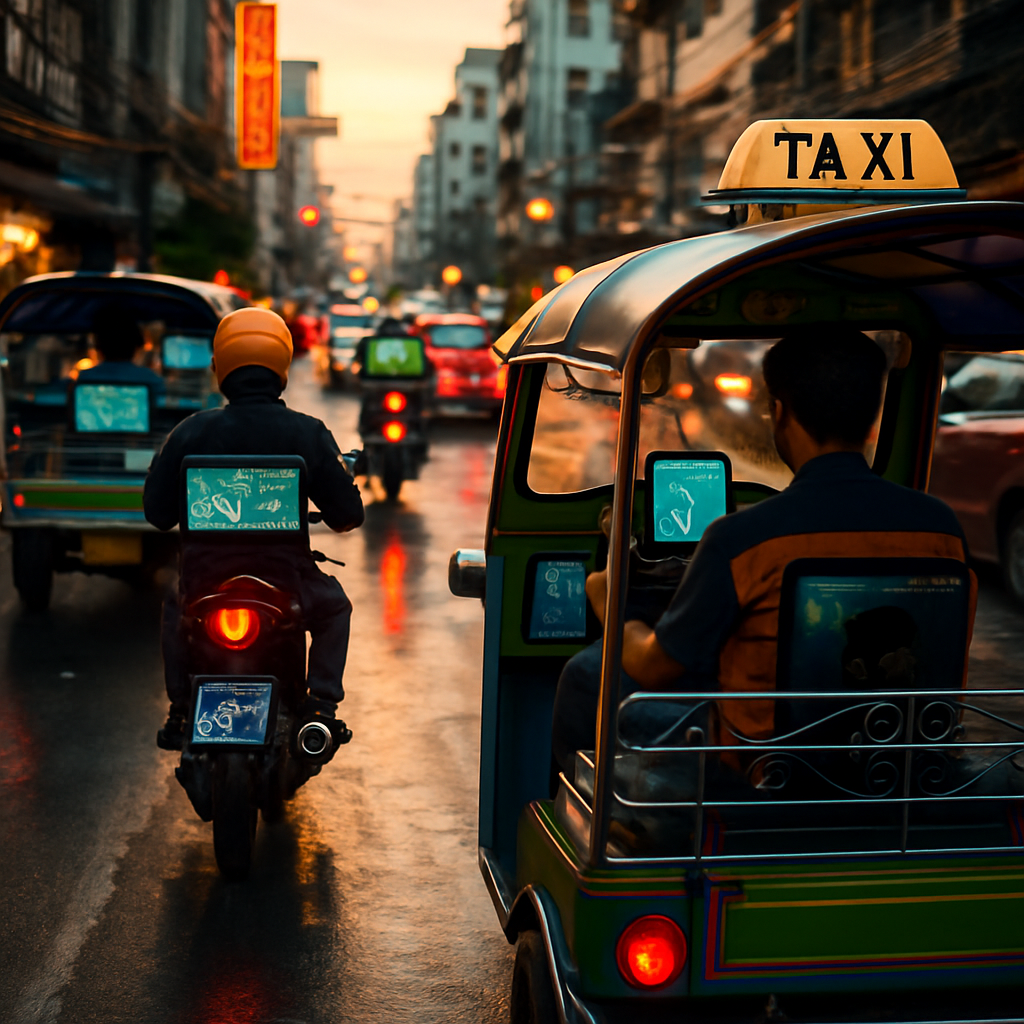
As the sun rises over Thailand on July 10, 2025, a new dawn emerges for the ever-evolving ride-hailing landscape. Imagine the hustle and bustle of motorbikes and cars zipping through the busy streets of Bangkok, each one now primed for compliance with a new set of regulations designed to spark a revolution in Thailand's ride-hailing scene. The Electronic Transactions Development Agency (ETDA) has played its regulatory trump card by announcing a fresh mandate aimed at fortifying the safety and accountability of ride-hailing services.
Picture this: A modern-day tuk-tuk made digital, with every driver, now a card-carrying member of the public transportation league. Yes, drivers need to register their vehicles as public transport and secure the much-revered public transport driving license. These aren't mere pen-paper formalities; they represent the new standard keeping pace with Article 18 (3) of the 2022 Royal Decree on digital platform business operations. The perfect tandem of technology and legislation was articulated and rolled out with flair, ensuring ride-hailing services harmonize with state interests in security, health, and logistics.
Behind the scenes, a quorum of earnest state agency reps pooled their powers under Article 21, brewing this cocktail of conditions unsheathed after much contemplation in meetings past – November 19, 2024, and April 9, 2025, to be exact. Businesses are now tasked with being the diligent host, ensuring their drivers parade around in duly registered vehicles and with lawful licenses, all while keeping fare charges as honest as a monk's vow. Deviating from these new statutes is no longer an option.
But wait, there's more! The digital experience is about transparency and assurance. Every driver tapping into a ride-hailing platform is greeted by digital cerberus – electronic registration and a daily facial recognition verification are now the gatekeepers before hitting the road. A virtual SOS—a red button ready to summon help for both passengers and drivers—offers a reassuring presence. Meanwhile, GPS is everyone's constant companion, sharing location updates in real-time. Behind the veil of tech, communication with passengers remains strict; only through the app, no funny business with exchanging numbers.
Riders are stepping into this new world with more than just a virtual taxi stand. A seamless experience awaits—all identities, vehicle types, and expected costs are just a tap away. Riders hold the reins with options to rate, complain, and even tailor their journeys to the last kilometer. Platforms are tasked with channeling all this dynamic data—vehicle numbers, legal fares, driver details, and route plans—right into the Department of Land Transport's eager hands. Clockwork precision is the expectation.
The echoes of change ripple into the deeper folds of society. The Royal Gazette's ink barely dry with this groundbreaking announcement has ensured no part of the machinery slips as technology and transportation intertwine once more. While today marks the start of a 90-day countdown to an operational transformation, the anticipation in the air is tangible.
As such, while you might see the fire-breathing car of Chon Buri grab eyeballs or monks in Prachin Buri face censure for their indiscretions, this evolution of ride-hailing regulations remains a silent yet potent force. It's a pledge—a beacon—shining bright on safer, more reliable roads. As wheels hit the pavement in Thailand, everyone knows that in this dance of metal and machine, security is the lead partner in the rhythm of progress.



Comment verification
Step 1 of 3
Verify your email once to publish your comment. Your email is never shown publicly.
Enter the 6-digit code sent to .
Choose the display name shown next to your comments.