Thailand's Social Security at Risk: Reform Needed to Secure Elderly Pensions
In the heart of bustling Phra Nakhon, elderly citizens gathered in early January 2022, eagerly awaiting their turn to register for the much-needed benefits. A testament to the enduring spirit of the community, this…

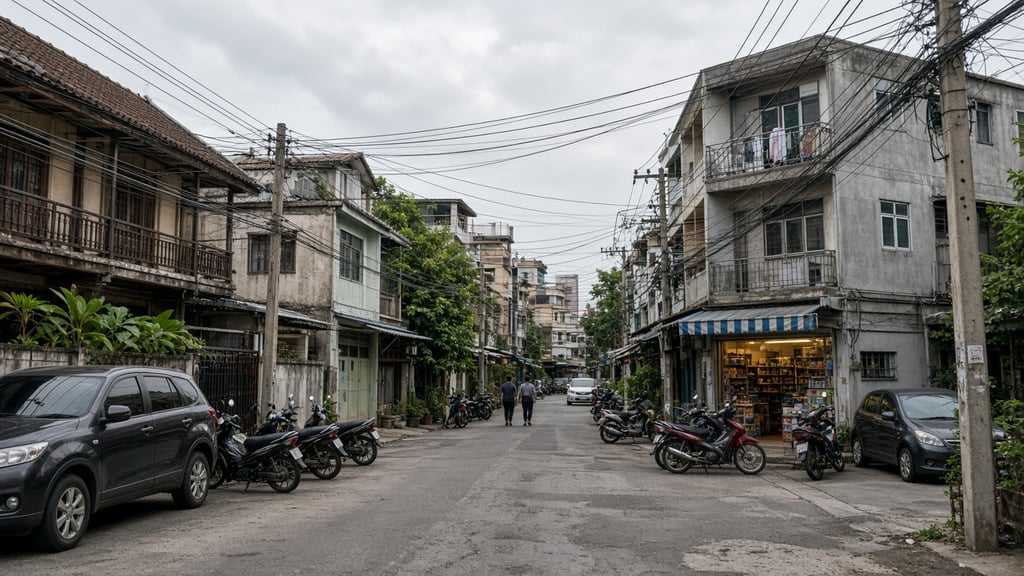
In the heart of bustling Phra Nakhon, elderly citizens gathered in early January 2022, eagerly awaiting their turn to register for the much-needed benefits. A testament to the enduring spirit of the community, this scene, beautifully captured by Wichan Charoenkiatpakul, illustrates the critical importance of social support systems.
The Fiscal Policy Office (FPO) has recently raised a flag of caution regarding the sustainability of the Social Security Fund (SSF). This alertive note comes at a crucial juncture, suggesting a pivotal change: the government should consider increasing its contribution to SSF from the current 12.75% to a more robust 18%. This recommendation accompanies a pressing call to clear the staggering 71.4 billion baht in outstanding debts owed to the fund.
In March 2023, the FPO's fiscal risk report shed light on potential perils, drawing attention to both recent and future fiscal vulnerabilities. Among the highlighted concerns is the sustainability of old-age pensions under the SSF. This fund, pivotal for various expenditures including accidents, illness, unemployment, and retirement benefits for eligible members over 55 years old with at least 15 years of contribution, is under scrutiny.
With the cost of old-age pensions escalating (2.3 trillion baht in 2023 up from 1.9 trillion baht in 2018), the FPO emphasized the urgency of monitoring fund adequacy. A startling revelation from a recent study shows that the ratio of estimated revenue to net expenditure over the next 75 years stands at a mere 0.07 times, a figure alarmingly low by global standards. Comparatively, the largest 100 state pension funds in the US maintain an average funding ratio of about 0.7 times. The funding ratio, an essential metric, indicates the proportion of a pension plan’s assets relative to its liabilities.
In response, an anonymous source from the Finance Ministry suggested pivotal measures. Among these is the proposal to uplift the additional contribution rate to 18%, coupled with raising the retirement age and expanding the base for maximum wage inclusion. These changes, if enacted, promise to fortify the fund’s resilience.
Details from the source underscore the Labour Ministry's contemplation of new draft ministerial regulations. These regulations aim to set a minimum and maximum wage for calculating social security contributions, with a proposed gradual increase in the maximum wage base from 15,000 baht to 23,000 baht. Such an increase would naturally lead to higher overall contributions into the fund, appeasing some of the fiscal shortfalls.
Emphasizing the necessity of strategic budget allocations, the source highlighted the importance of addressing the outstanding SSF contributions of 71.4 billion baht by September 2023. This prioritization is essential for stabilizing the fund's financial health.
Reflecting on recent history, the source recounted the government's pandemic-era measures that temporarily reduced SSF contributions, aiming to alleviate economic strain on members during those tumultuous times. Although these short-term measures were beneficial during the height of the crisis, they presented only transient risks. With contribution rates now restored to pre-pandemic levels and a decreased demand for illness benefits following the pandemic's waning, the primary focus has shifted back to long-term stability.
The narrative of Phra Nakhon's elderly, waiting patiently for their entitlements, exemplifies the broader societal reliance on robust social security frameworks. The road ahead calls for prudent fiscal strategies and resilient policy adjustments, ensuring the sustenance of support systems for generations to come.


Comment verification
Step 1 of 3
Verify your email once to publish your comment. Your email is never shown publicly.
Enter the 6-digit code sent to .
Choose the display name shown next to your comments.