Thailand's Submarine Deal Dilemma: Phumtham Wechayachai Navigates Toward a Critical Decision
Ah, the saga of Thailand's elusive submarine deal! Like an epic drama unfolding under the sea, it finally reaches a crescendo—will it sink into the depths of forgotten projects or surface triumphantly as a savior of…
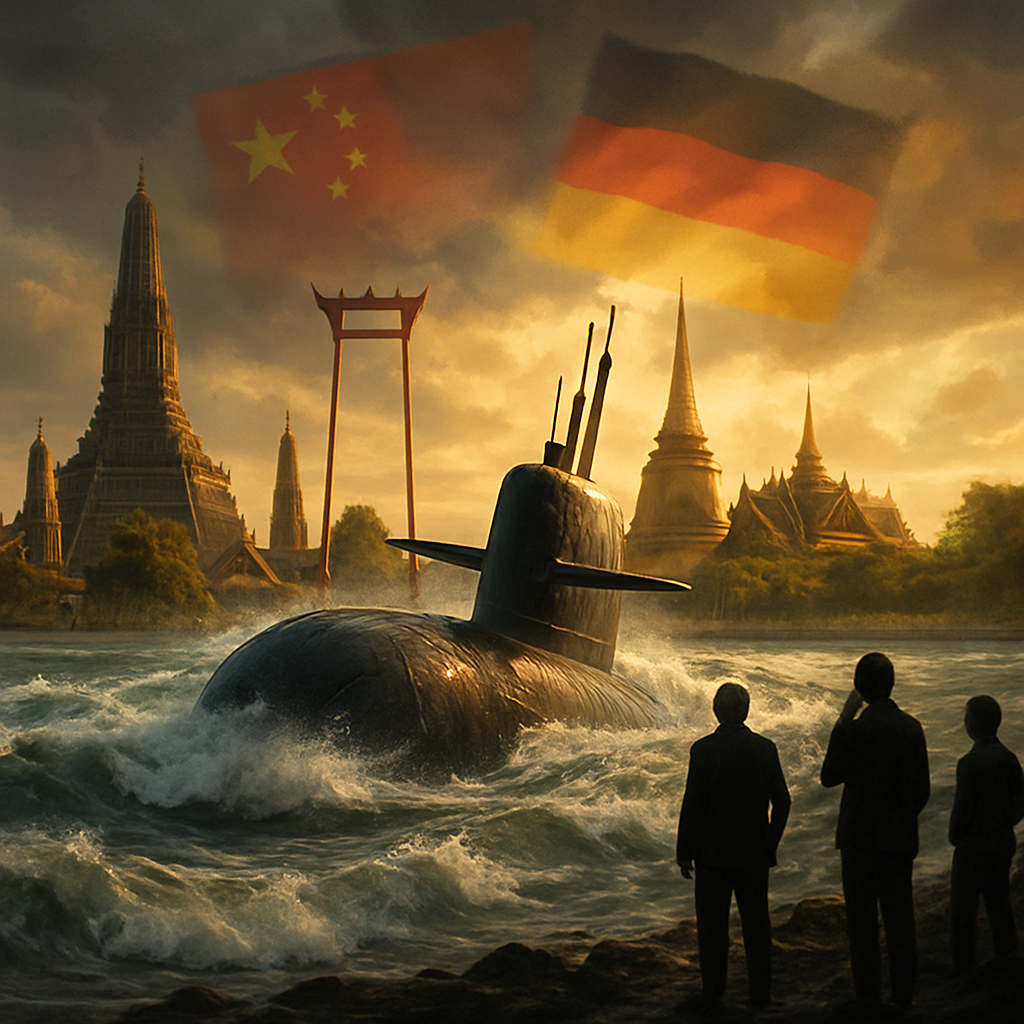
Ah, the saga of Thailand's elusive submarine deal! Like an epic drama unfolding under the sea, it finally reaches a crescendo—will it sink into the depths of forgotten projects or surface triumphantly as a savior of sunk investments? Defence Minister Phumtham Wechayachai has been navigating these turbulent waters, pointing toward a decision by month's end or early June. This isn't just a decision about budgets; it's about national pride, strategic partnerships, and untangling a vast web spun with the finest silk of bureaucracy and international diplomacy.
This maritime mystery started back in 2017, with a flourish of signatures binding Thailand and China Shipbuilding & Offshore International Co. in a 13.5 billion baht pact. The pièce de résistance of the contract? A German-made diesel engine, hailed as the heart of the submarine! But alas, Germany tightened its grip on exports due to the EU's arms embargo on China, an unforeseen ripple in an otherwise smooth sea deal. What followed was as tangled as an octopus's embrace: China proposed a homegrown CHD620 engine as an alternative, sending the Royal Thai Navy on an inspection jaunt to verify its seaworthiness.
But let's pause the tape for dramatic effect! With months of deliberations compelling as a suspense thriller, Thailand finds itself between Scylla and Charybdis: pay the price of an unwanted submarine baby or nurture it with Chinese parts. As Phumtham quipped with an air of luxurious tension, cancelling the contract means sinking 8 billion baht into oblivion. Meanwhile, accepting the new engine could preserve the project by utilizing all the fancy infrastructure patiently awaiting its hero's (or villain's) return. Glitzy dockyards, buffed submarine squadrons, and well-trained personnel—all left poised on the precipice of action.
The shadows in this narrative dance toward clarity, but Phumtham urges restraint. “Full transparency, please!” he implores while waving the flag of diplomatic decorum. “Avoid stirring tension — and please, no Shakespearean tragedies about international relations broken by a submarine.”
And then, the scene turns diplomatic! Enter the German Defence Minister, Boris Pistorius, who reprises an original tune. Germany, ensconced in its NATO and EU commitments, must regretfully pass on the engine offer. But intrepid Phumtham, like a detective on a case, gleaned insights from Pakistani counterparts who assured him of the Chinese engine's reliable performance in their own fleet—a tale of reassurance and potential peace in these shark-infested waters.
As we count down the days, Thailand's submarine dilemma looms large like a leviathan of legend. News of the moment tantalizes readers with tales of men brazenly skinny-dipping on Pattaya streets and wheels of crime spinning wild plots at whim. But those keeping a keen eye on the underwater intrigue wait with bated breath—will Thailand's saga of submarines reach a resolution worthy of rippling waves across East Asia's waters? Only time will tell.



Comment verification
Step 1 of 3
Verify your email once to publish your comment. Your email is never shown publicly.
Enter the 6-digit code sent to .
Choose the display name shown next to your comments.