Thaksin Shinawatra's Diplomatic Maneuvers Amidst US-Tariff Talks and Legal Tensions
Staged against the backdrop of swirling international intrigue and the intricate dance of diplomacy, the drama of recent events in Thailand has cast an unexpected pause over crucial tariff discussions with the United…
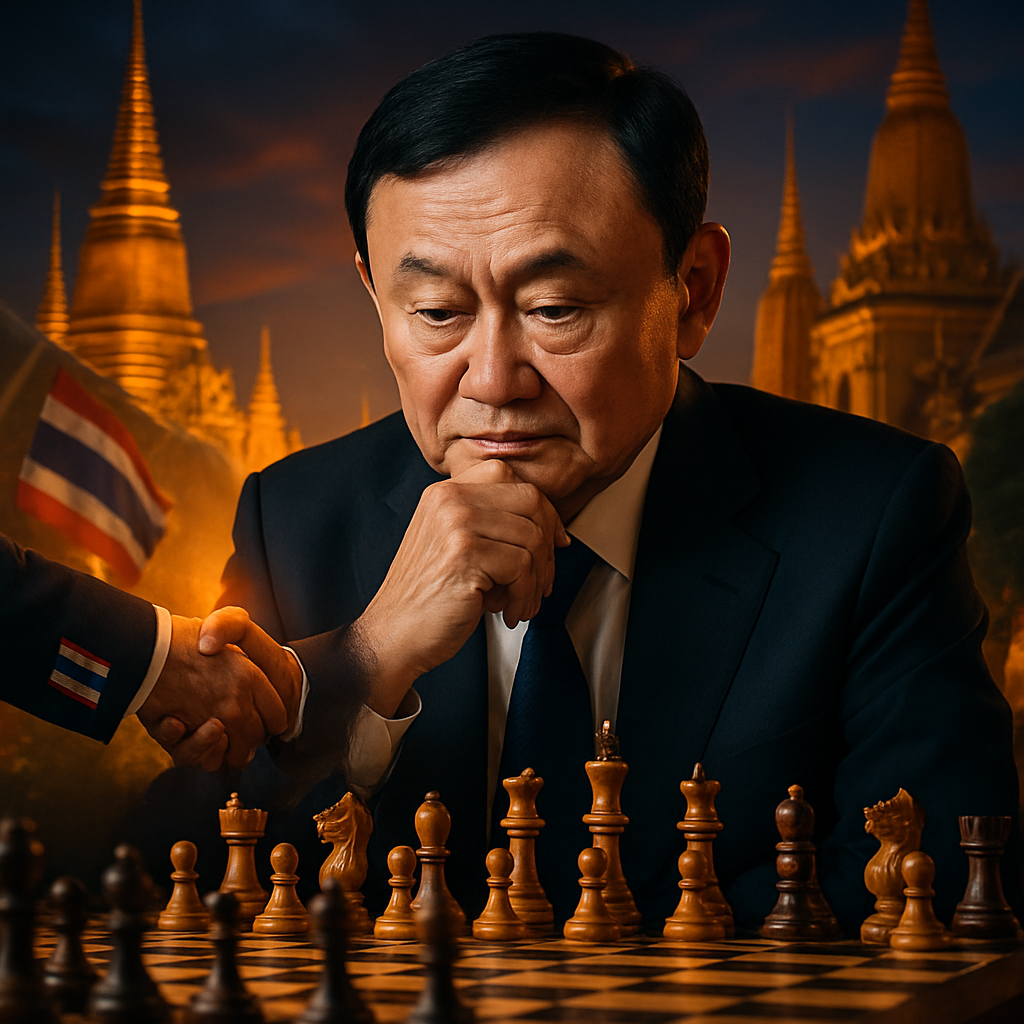
Staged against the backdrop of swirling international intrigue and the intricate dance of diplomacy, the drama of recent events in Thailand has cast an unexpected pause over crucial tariff discussions with the United States. Buffeted by the whirlwind of criminal investigations involving American citizens, these talks between the Thai and US governments were inevitably caught in the crossfire, delaying what many hoped would be a vital step forward in economic cooperation.
At the center of this whirlwind is the enigmatic figure of Thaksin Shinawatra, Thailand’s former prime minister and the uncrowned influencer of the ruling Pheu Thai Party. Ever the master of the international chessboard, Thaksin had previously offered his services as an informal intermediary, leveraging his connections with allies close to the erstwhile US President Donald Trump. Yet, when interrogated about his pledge to smoothen these thorny negotiations, Thaksin revealed, “We have talked. But unfortunately, they [the US] are now acting on information supplied by various organisations about lawsuits against a number of American citizens.”
In the eye of this legal storm is Paul Chambers, an academic whose work at Naresuan University in Phitsanulok has now embroiled him in a charge of royal defamation. The allegedly controversial content? An online lecture from the previous October, in which Chambers perhaps spoke too candidly about the internal machinations of military reshuffling. Released on bail post his arrest, the future of Chambers' residency in Thailand hangs precariously in the balance.
Chambers' plight has not gone unnoticed. With the US State Department expressing alarm and human rights advocates rallying to his defense, the case has contributed to a growing murmur of dissent against Thailand’s legal proceedings. In the legal corridors of Thailand, the stakes for Chambers remain high—a challenge further complicated by the prospect of having to report regularly to officials should his visa be reinstated amidst his legal fight.
Meanwhile, as the reverberations of this saga echo across continents, Thailand’s own leadership, with Deputy Prime Minister and Finance Minister Pichai Chunhavajira at the helm, has made a strategic retreat from scheduled tariff talks in Washington. The prospect of a 36% tariff on Thai goods had initially been slated to ignite mid-April, but in a diplomatic turn-of-fate, President Trump offered a temporary reprieve—90 days for further negotiation with those nations holding restraint against US tariffs.
Thaksin, ever the astute political strategist, reflected on a world tangled in trade and alliances, noting America’s probable assessment of other nations' rapport with global powerhouse China. “As such, we should calm down and focus on preparing the information [required for future tariff talks to come],” advised Thaksin, echoing an uncanny twist on Trump’s rallying cry—aspiring to “Make Thailand Great Again.”
With a wily glint in his eye, Thaksin remains contemplative, considering whether the time is ripe to seek permission to cross oceans and participate directly in these pivotal discussions. Permission is no mere formality, as Thaksin himself is no stranger to the legal complexities, still unfolding from past charges traceable to a 2015 interview abroad.
Premier Paetongtarn Shinawatra, Thaksin's successor, finds herself momentarily sidelined, as per Thaksin’s strategic framing, allowing diplomatic discussions to flow between designated trade representatives of both nations. It’s a tacit reminder that Thailand’s government must not only defend its economic interests but also refine its strategy, securing a favorable position on the tumultuous international tapestry.



Comment verification
Step 1 of 3
Verify your email once to publish your comment. Your email is never shown publicly.
Enter the 6-digit code sent to .
Choose the display name shown next to your comments.