Thap Lan National Park Land Reclassification: Public Hearings Ignite Debate
The ongoing public hearings organized by the Department of National Parks, Wildlife and Plant Conservation (DNP) over a contentious plan to reclassify 265,286 rai of land in Thap Lan National Park have ignited spirited…
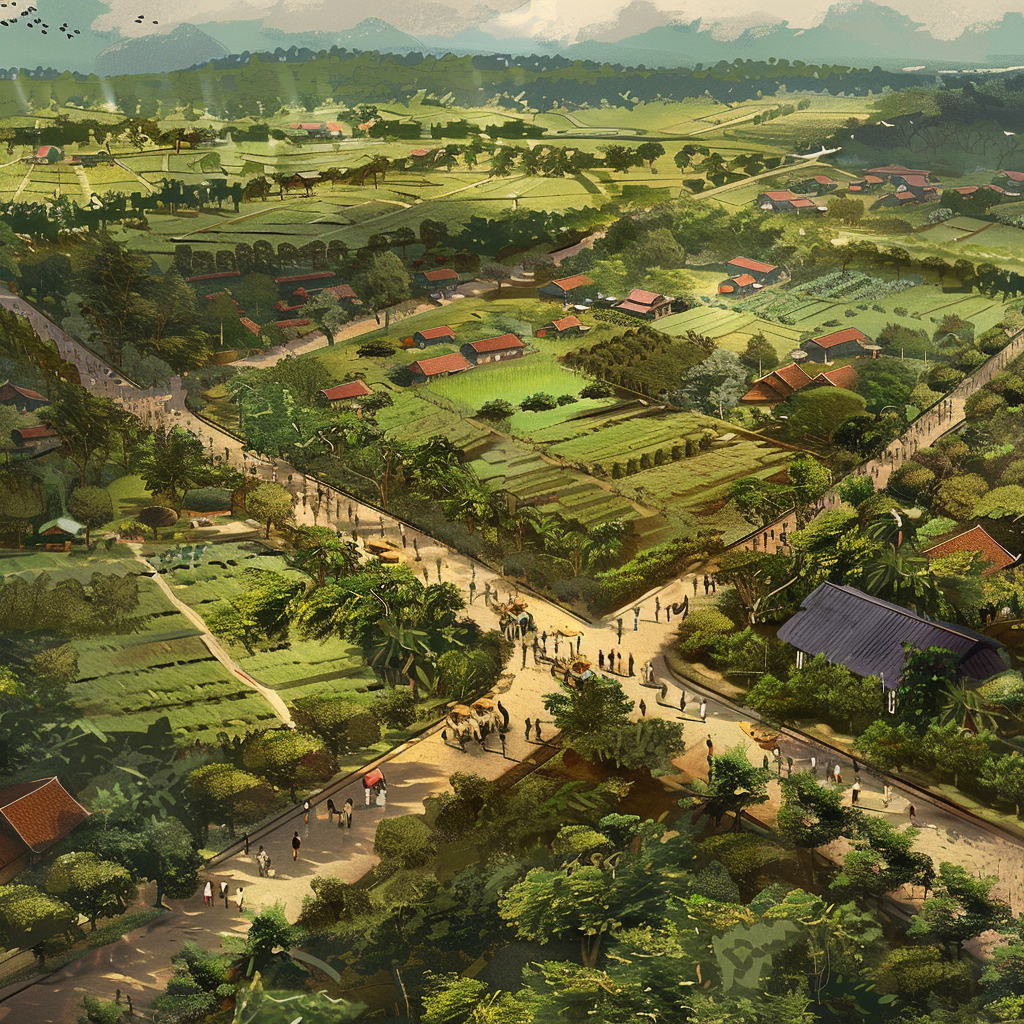
The ongoing public hearings organized by the Department of National Parks, Wildlife and Plant Conservation (DNP) over a contentious plan to reclassify 265,286 rai of land in Thap Lan National Park have ignited spirited debate across the community. These proposed changes would allow sections of the park, previously protected, to be used for agricultural purposes. While many villagers, who had occupied parts of the park before its boundary was officially drawn, are in favor of the delineation, a robust opposition comes from conservationists and other members of the public. This controversial plan was initially greenlighted by the cabinet on March 14 of the previous year.
Proposed by the Office of the National Land Policy Board (ONLPB), the plan stems from a revamp of the boundary lines of state land plots. This overhaul followed the government's decision to consolidate various land-mapping systems used by different state agencies into a singular framework known as One Map, adopted in 2000. The DNP's hearings began on June 28 and will continue until Friday, comprising both onsite and online forums. Findings from these discussions will be compiled and presented to the government's national parks committee for further contemplation, according to Natural Resources and Environment Minister Phatcharavat Wongsuwan.
A Long History of Disputes
The land disputes in Thap Lan forest between park authorities and villagers have persisted for over 40 years, despite a formal agreement allowing these villagers to reside in about 58,000 rai of the park's reserved forest land, stated DNP chief Attapol Charoenshunsa. The national parks committee is expected to arrive at a resolution within a month, noted Pol Gen Phatcharavat, emphasizing that public opinion will play a crucial role in the decision-making process. Serving as the committee chairman, Phatcharavat highlighted that the plan's execution will significantly benefit long-standing residents.
Out of the 265,286 rai in question, around 58,000 rai have been home to villagers long before the area was designated as the Thap Lan National Park. These individuals stand to gain substantially from the planned reclassification. Presently, Thap Lan National Park spans 1.3 million rai of forest land across Nakhon Ratchasima, Prachin Buri, and Sa Kaeo provinces.
Individuals who only recently purchased land from these original villagers will not be entitled to use the land and will face legal action for encroachment on forest land, warned Pol Gen Phatcharavat. Meanwhile, Prime Minister Srettha Thavisin reassured the public that last year's cabinet resolution proposing the land reclassification will undergo further scrutiny before any definitive action is taken. He also asserted that laws would be rigorously enforced to ensure that only those truly eligible would benefit from the land use changes and not wealthy buyers seeking to exploit the plots.
The public hearings concluded last Friday, with online consultations on the DNP's website wrapping up this Friday. "I'm glad to witness the enthusiasm of the Thai people regarding this issue. I believe that in the end, the choice that is right and proper will prevail," commented Mr. Attapol, noting that around 100,000 people participated in the hearings in total.
Voices of Opposition
Panudet Kerdmali, chairman of the Seub Nakhasathien Foundation, has been a vocal critic of the ONLPB’s proposal to convert these forest lands into agricultural plots. He argues that there is no pressing need to reclassify the 265,286 rai for farming, especially not for the benefit of poor, landless individuals. Panudet emphasizes that aerial images of Thap Lan reveal no ongoing deforestation that might justify such a conversion. He warns that any actions that reduce the nation's forest land could constitute a violation of Section 65 of the constitution and breach the government's 20-year national strategic plan.
Last Thursday, during a public hearing in Thap Lan, a large majority of the 343 villagers in attendance expressed support for the plan to separate the 265,286 rai from the national park. This emotive and multifaceted issue shows no signs of abating anytime soon, with strong feelings on either side of the debate. As public engagement continues, many are watching keenly to see how this unfolds—positioning Thap Lan National Park as a critical test case for the balance between conservation and agricultural needs.



Comment verification
Step 1 of 3
Verify your email once to publish your comment. Your email is never shown publicly.
Enter the 6-digit code sent to .
Choose the display name shown next to your comments.