Tragic Police Plane Crash in Cha-am: Investigation into Twin Otter DHC-6-400 Begins
In the tranquil waters off the coast of Cha-am district in Phetchaburi province, an unexpected scene unfolded on April 25 as rescue personnel delicately navigated the shallows. Nestled among the gentle waves lay the…
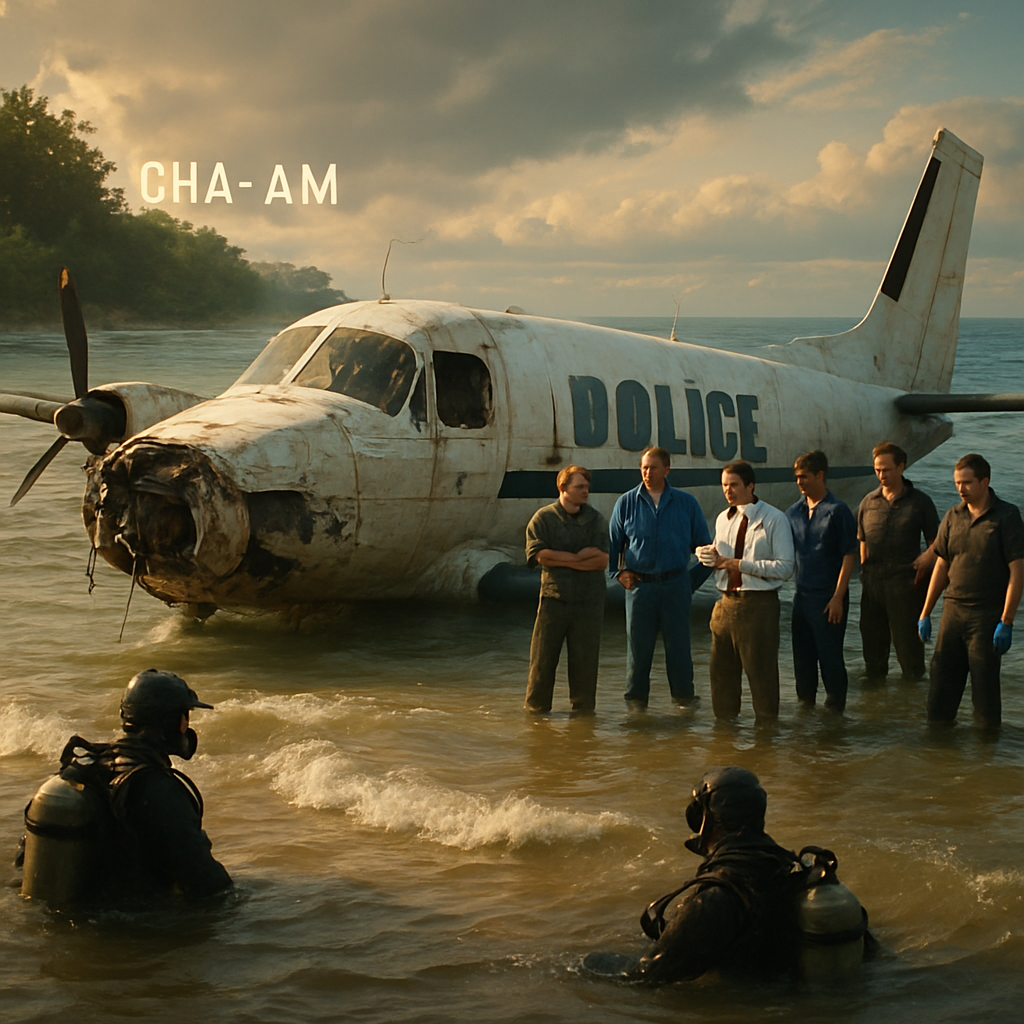
In the tranquil waters off the coast of Cha-am district in Phetchaburi province, an unexpected scene unfolded on April 25 as rescue personnel delicately navigated the shallows. Nestled among the gentle waves lay the remains of a police aircraft, now the focal point of an intriguing and somber investigation. The ill-fated Twin Otter DHC-6-400, a stalwart of the Royal Thai Police Aviation Division since 2020, had met its tragic end, claiming the lives of six brave officers.
The once vibrant hues of the aircraft were now muted by the sea's embrace, as experts from around the globe descended upon Prachuap Khiri Khan with a single mission: to unravel the mystery sealed within the aircraft's black box. A task force like no other, featuring the keen minds from Canadian aircraft giant De Havilland Aircraft of Canada (DHC) and the precision-driven engineers of a renowned Singaporean engine producer, joined hands with forensic officials to unlock the secrets that lay within.
Police Lieutenant Colonel Naruepanart Assadinyadech of Hua Hin Police stood resolute, watching the meticulous effort to retrieve the black box—a data repository found surprisingly intact. The box, a silent witness to the fatal descent, held critical insights poised to reveal untold truths about the final moments of the trusted Twin Otter.
As the sea caressed its metal frame, plans were rapidly unfurling to secure the aircraft's remains. Authorities aimed to shepherd the wreckage to the temporary sanctuary of Naresuan Camp by Friday. There, enveloped by an atmosphere steeped in curiosity and resolve, the investigation would prepare for its next chapter—the transportation to Bangkok's Royal Thai Police Aviation Division scheduled for Saturday, promising even deeper scrutiny.
The Twin Otter itself was no stranger to challenges. Designed to conquer the sky with an efficient grace, it was tailored for versatility—transport, airdrops, and search and rescue missions were its forte. It boasted the remarkable ability to launch from modest runways, accommodating up to 19 passengers in its embrace, a testament to its engineering prowess.
Now, as investigators prepared to delve into the data that the black box safeguarded, they knew they held the key to preventing such a tragedy from recurring. The aircraft’s legacy of service blended with the mournful tone of loss, urging a narrative that demanded closure and understanding.
In the coming days, the story of this aircraft, the Twin Otter DHC-6-400, would unfold further—its trials and contributions etched into history, its lessons a beacon for future endeavors. And as the sun set over the waters where it took its final flight, an assembly of minds remained committed to ensuring that the echoes of this April day would find justice in knowledge, safeguarding the skies for those who watched, cared, and soared.



Comment verification
Step 1 of 3
Verify your email once to publish your comment. Your email is never shown publicly.
Enter the 6-digit code sent to .
Choose the display name shown next to your comments.