US Sanctions Thai Officials Over Uyghur Deportation Scandal: Marco Rubio Leads Charge
In the early hours of February 27th, the air was thick with tension as detention vans with windows obscured made their discreet departure from the immigration center on Soi Suan Phlu, Bangkok. Shrouded in the darkness…
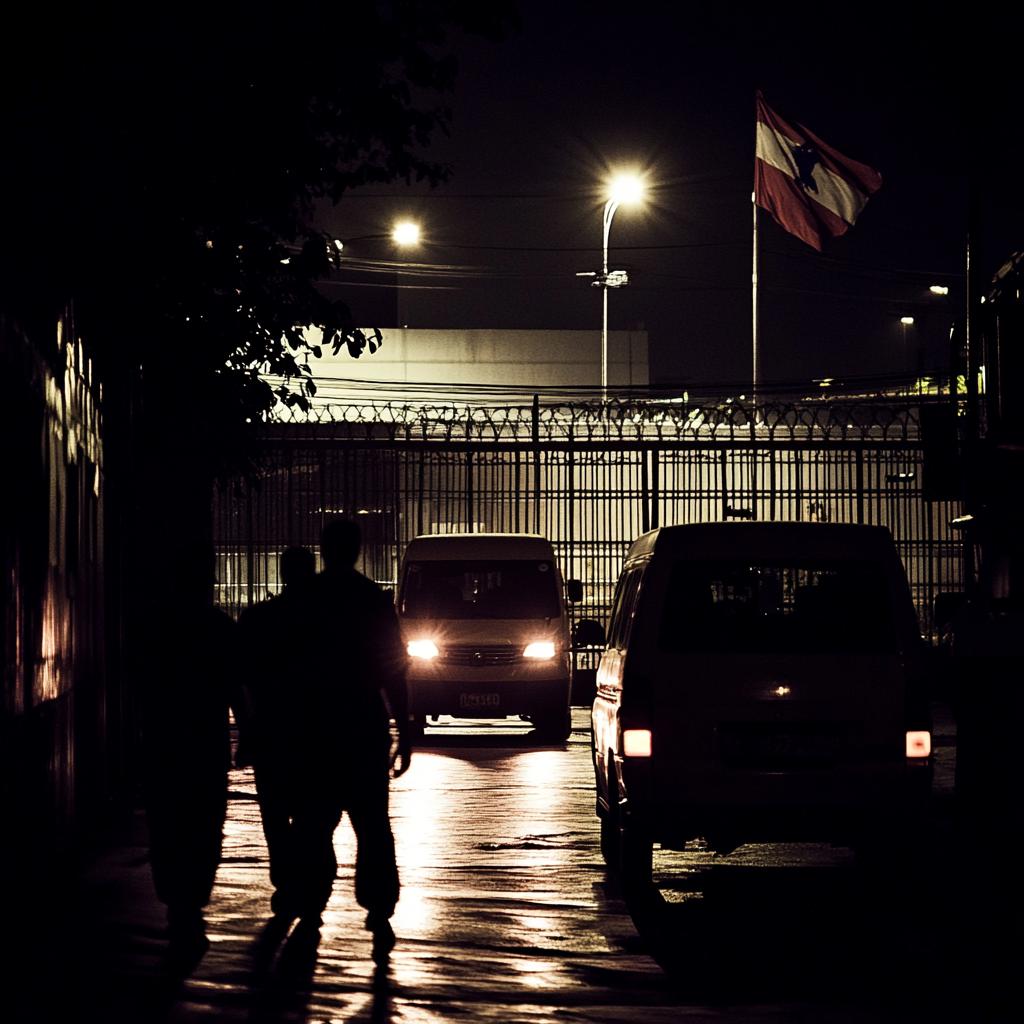
In the early hours of February 27th, the air was thick with tension as detention vans with windows obscured made their discreet departure from the immigration center on Soi Suan Phlu, Bangkok. Shrouded in the darkness of pre-dawn, these vehicles carried with them the fates of 40 Uyghur men bound for China—all as captured candidly in a photograph on Kannavee Suebsang's Facebook account. This covert operation ignited international controversy and thrust US-Thai relations into the spotlight.
Fast forward to a cloudy Friday in March, when the US Secretary of State, Marco Rubio, stood at the helm of a decisive move against those orchestrating the return of the Uyghurs. In a sweeping gesture of accountability, the United States declared visa restrictions on the current and former Thai officials implicated in the deportation saga. The visa clampdown is part of a strategic US stance against China’s exertion of influence over nations in its bid to repatriate minority groups like the Uyghurs, whose alarming plight has become an incendiary topic on the global stage.
"Our commitment is unwavering," Rubio announced, "in condemning the actions of any government that plays a role in the forced repatriation of Uyghurs back to China." The underlying gravity of his statement highlighted a grim narrative that has persisted regarding China’s alleged misdeeds against the Uyghur population—where reports of torture, enforced disappearances, and cultural erasure abound.
The meticulous policy outlined by Rubio ensures that any officials implicated in such remand activities will find the doors of the US firmly closed—not just to them but potentially to their kin as well. Yet, the specifics of these officials remain undisclosed, shrouded in a veil of diplomatic ambiguity.
In a twist resonating with geopolitical intrigue, Thailand had earlier shielded its actions on that fateful February dawn, portraying the deportation as a diplomatic necessity to mitigate the possibility of Beijing’s ire. With its economic interests and ambitions linked intricately to China’s vast market and investment opportunities, Thailand publicly reinforced its stance, citing reassurances whispered from across the Yalu River that those sent back would indeed be 'safe.'
However, the integrity of those assurances sits on a delicate balancing act. The international community, not least the United States, has brought forward a storm of allegations against China. Bets are hedged against allegations of forced labor camps and the brutal assimilation of the Uyghur identity within Xinjiang’s sprawling vistas.
This dramatic saga of politics and human rights echoes with the resonance of the European Parliament's recent resolution that spat discontent towards Thailand’s role in the deportation affair. It’s a narrative of tugs of war, where international diplomacy and human dignity dance on the edge of a diplomatic knife, underscoring the delicate leitmotif of Asia’s geopolitical theatre.
Despite the defensive rhetoric from the Thai Ministry of Foreign Affairs, the global call for safeguarding the Uyghur community rings louder. As the story unfolds, it casts a spotlight on the complexities and moral quandaries that lace the corridors of power.
As the current stands, the world watches with bated breath, waiting to see if these actions will cascade into further diplomatic reverberations or foment a renewed dialogue on human rights abuses. Only time will weave the next chapter of this intricate geopolitical tapestry.



Comment verification
Step 1 of 3
Verify your email once to publish your comment. Your email is never shown publicly.
Enter the 6-digit code sent to .
Choose the display name shown next to your comments.