Zara McDermott: BBC's Thailand Documentary on Sex Work & Tourism
When you picture Thailand, visions of turquoise water, neon-lit bar streets and smiling tuk‑tuk drivers probably spring to mind. Zara McDermott’s new BBC film, Thailand: The Dark Side of Paradise, flips that postcard on…
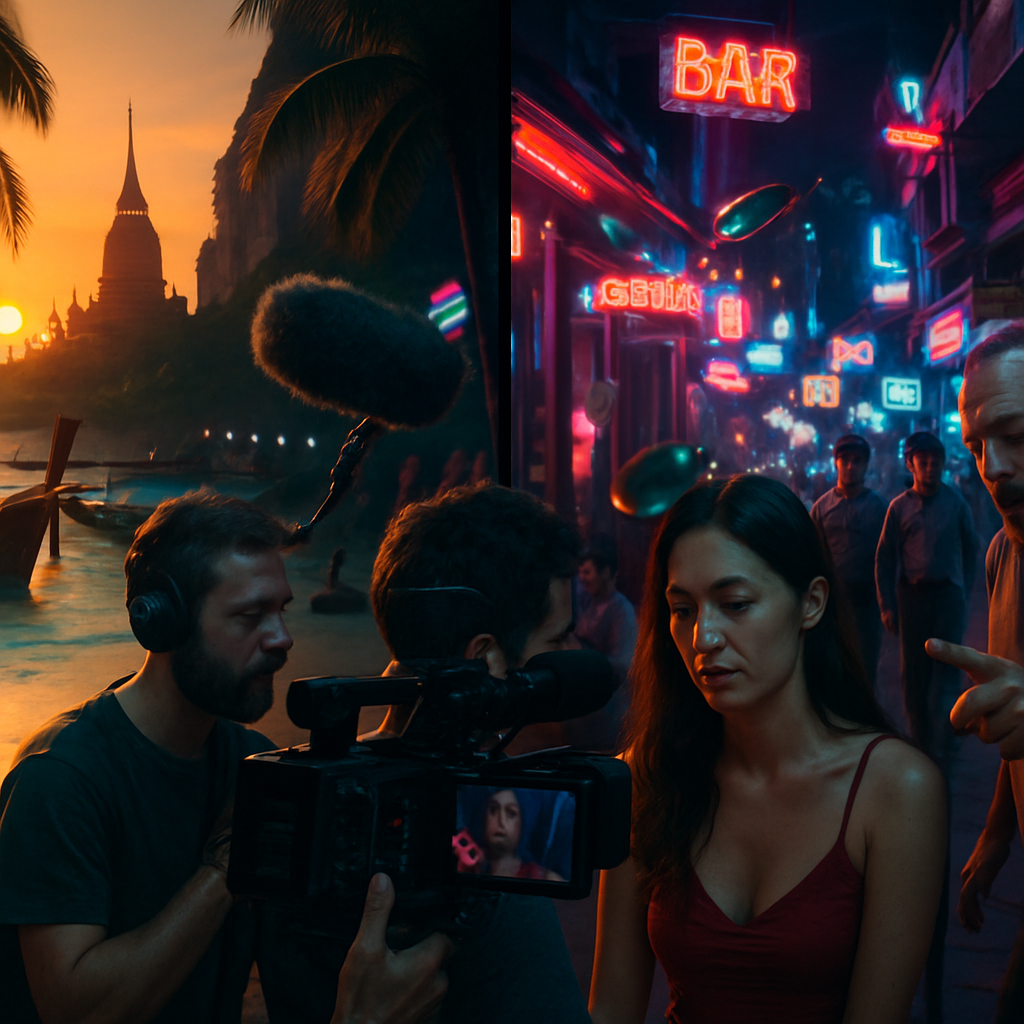
When you picture Thailand, visions of turquoise water, neon-lit bar streets and smiling tuk‑tuk drivers probably spring to mind. Zara McDermott’s new BBC film, Thailand: The Dark Side of Paradise, flips that postcard on its head — sometimes within hours of the crew setting foot in Bangkok.
From reality TV to real‑world danger
At 28, the former Love Island contestant-turned-presenter has made a name for herself beyond reality TV: probing difficult subjects with a mixture of curiosity and compassion. But even seasoned on‑screen investigators have bad days — like the one Zara and her South Shore Productions team nearly spent behind bars.
Speaking at a packed London screening at the Charlotte Street Hotel — where she posed for photos and joined a Q&A hosted by BBC Radio 1’s Natalie O’Leary — Zara described the moment Bangkok police threatened to arrest her crew. The twist? They had permission to be filming in the bars they’d chosen. “We nearly got arrested because of the filming that we were doing,” she told the audience, “but we’d got all the permissions in advance.”
Tension behind the neon
That bureaucratic absurdity is the kind of friction the documentary thrives on: the clash between tourists’ expectations and the messy, often dangerous realities that lie behind the nightlife. Tensions ratcheted up further when bar owners tried to force the crew off the premises, and at least one scene caught an ashtray flying through the air toward a crew member — a small, terrifying reminder that the stakes were real. Zara said the fear wasn’t only about being detained; it was about losing the footage that would tell these stories.
“It was really scary, not just the threat of arrest, but the possibility of losing the footage we were there to capture.”
That footage, it turns out, is central to the film’s mission. Produced by South Shore Productions, Thailand: The Dark Side of Paradise moves fast from the megacity pulse of Bangkok to the famous party islands and backpacker haunts. Along the way it introduces viewers to vibrant characters, nuanced local perspectives and, crucially, women working in Thailand’s sex industry whose lives often get reduced to stereotypes.
Giving voice to difficult stories
Zara’s interest in these conversations isn’t casual. Her previous work on violence against women has given her a foothold into tough discussions, and in Thailand she used that platform to try to create space for sex workers to be heard on their own terms. “My work in the violence against women space allowed me to have difficult conversations with sex workers,” she said. “I want these women to feel seen and heard, and I believe sharing our stories gives women power. Many are pressured to work in an unpredictable and unsafe industry, and empathy is key.”
The film doesn’t shy away from the more sensational elements of Thailand’s tourism economy — the party scenes, the late‑night bars and the seedy corners of certain islands — but it also lingers on the quieter, human moments: the reasons people come, the economic pressures that keep them there, and the complex ways locals and visitors intersect.
Why the documentary matters
There’s an inevitability to the subject. Thousands of young Brits flock to Thailand every year, chasing an image of freedom that often obscures risk. Zara’s film sits somewhere between a travelogue and a warning sign: beautiful shots of beaches and markets alternate with testimonies about exploitation and insecurity. That juxtaposition — paradise and peril shot through the same frame — is what gives the series its moral weight.
For viewers who expect a glossy travel special, this is a correction. For those who want to understand the undercurrents behind postcards, it’s a rare, humane window into a complicated scene.
Premiere and reception
The series premiered on BBC iPlayer on Monday, September 8, and the London screening drew a crowd curious to hear Zara unpack the filming experience. Alongside Natalie O’Leary’s Q&A, the event underscored how contemporary travel stories are less about ticking boxes and more about responsibility: to people, to truth, and to the consequences of what gets filmed and how.
Whether you’re planning a trip to Thailand or simply intrigued by the country’s magnetic pull on youth culture, Thailand: The Dark Side of Paradise promises more than pretty sunsets. It’s a reminder that paradise can have edges — and that sometimes, asking uncomfortable questions is the best way to stop someone else getting hurt.
As Zara said at the screening: “I wanted to show why this place captivates people but also to shine a light on the parts we usually look away from.” The footage they clawed back from the brink of being lost does just that — and for many viewers, it will change the way they look at the next Instagram‑perfect horizon.



Comment verification
Step 1 of 3
Verify your email once to publish your comment. Your email is never shown publicly.
Enter the 6-digit code sent to .
Choose the display name shown next to your comments.