Thai Cabinet Keeps Indian Tourists Visa Free, Rejects 15 Day Arrival Rollback
Ministers kept Indian visitors on a 30-day visa-free tourism stay and declined a 15-day visa on arrival rollback. The 60-day exemption for most nationalities still falls to 30 days after the Royal Gazette publishes the new lists.
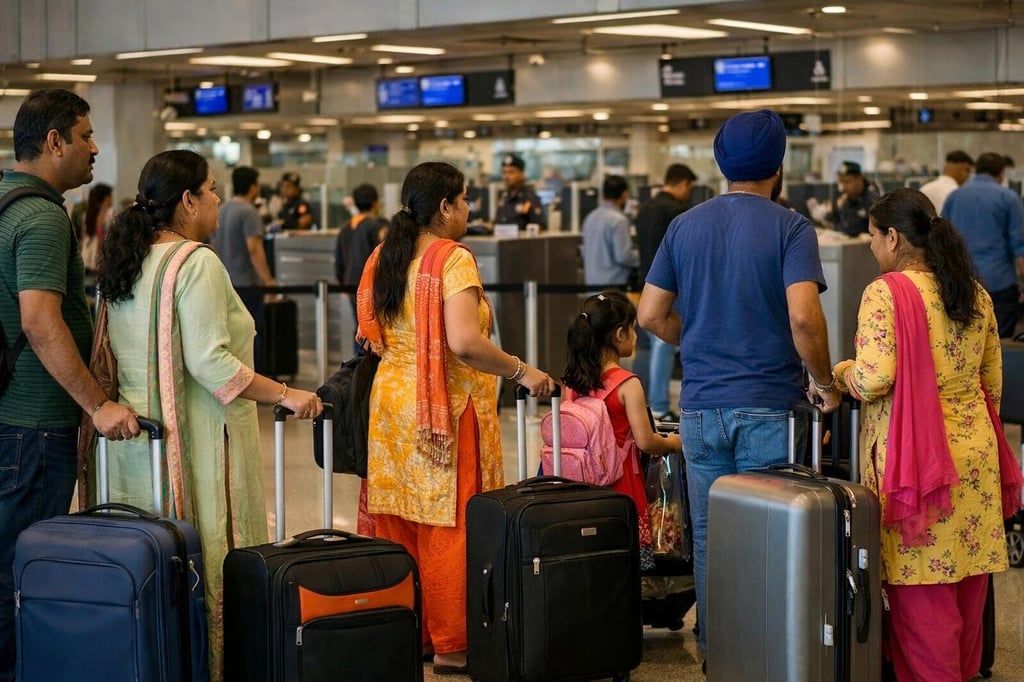
Thailand's Cabinet has settled a two-month argument over Indian entry rights. Ministers meeting in Government House on Tuesday kept India inside the visa-free tourism club and set the permitted stay at 30 days, rather than sending Indian visitors back to a paid stamp at the airport.
That is the practical headline for the India market: Indian passport holders keep a 30-day visa-free stay when the new lists take effect, and officials will not revert them to a 15-day visa on arrival that sat on an earlier Cabinet map. Other travellers face a harder cut. The 60-day visa exemption is set to fall to 30 days for most nationalities once interior ministry notices appear in the Royal Gazette.
Cabinet approved the revisions on 14 July 2026, a Government House briefing posted the same afternoon confirmed. Five Ministry of Interior announcements still have to be gazetted. They take legal force 15 days after publication, so booth officers will keep applying today's stamps until the Royal Gazette publishes the new rules and that extra fortnight runs out.
How the July vote redrew the May map
The 14 July decision is a correction, not a blank sheet. On 19 May 2026 the Cabinet had already voted to scrap the 60-day tourism exemption introduced in July 2024 for 93 countries and territories. The Ministry of Foreign Affairs Consular Department summary of that May vote shrank the 30-day exemption list, created a 15-day exemption bucket, and left only four nationalities on Visa on Arrival. India was on that airport-visa list.
Tuesday's vote moved India off it. Ministers added six countries to the 30-day visa-free tourism list: India, Croatia, Bulgaria, Cyprus, Malta, and the Maldives. That brings the 30-day bucket to 59 countries and territories and puts all 27 European Union members on the same footing. Visa on Arrival now covers Azerbaijan, Belarus, and Serbia only. India's airport visa is being withdrawn so the two channels do not overlap. Mauritius and Seychelles sit in the 15-day visa-free bucket. Altogether, 65 countries and territories fall under a one country, one entitlement rule.
Government House framed the shorter stays as a screening fix, not a tourism freeze. Officials argue that a 60-day landing permission has been used for work and other activity a tourist stamp was never meant to cover. Indian visitors, they noted, stay about 7.17 days per journey, which fits inside a 30-day exemption without an airport visa queue.
Why the India corridor stayed visa free
The commercial weight of the India route explains the reversal. In April, Government House said Thailand welcomed more than 2.48 million Indian tourists in 2025, with more than 500 flights a week on the corridor. The Tourism Authority of Thailand's SATTE 2026 briefing in New Delhi put the 2025 count at 2,487,319 arrivals, up 16.82 percent, and 93.86 billion baht in receipts. TAT's 2026 target sits above 2.55 million Indian visitors.
Those figures made a 15-day Visa on Arrival fee and queue a visible downgrade for a market TAT has spent years courting. The July list instead treats Indian ordinary passports like the rest of the 30-day exemption club, for tourism only. Travellers who want a longer holiday after the new scheme starts will need an e-visa through Thailand's e-visa site rather than counting on a second 60-day stamp.
What still has to happen at the Gazette
Nothing at Suvarnabhumi, Don Mueang, Phuket, or the land borders changes on a Cabinet minute alone. Current entry conditions stay in force until the notices are published and the 15-day clock after publication expires. Foreigners who enter under today's terms may remain for the rest of the stay they were given. After the new scheme starts, Indian ordinary-passport holders arriving for tourism should expect a 30-day exemption stamp, not a Visa on Arrival sticker and not a 60-day permission. Keep filing the Thailand Digital Arrival Card. Bilateral deals that already grant 90, 30, or 14 days continue on their own terms.
What This Means for Expats and Travelers in Thailand
If you hold an Indian ordinary passport, plan on 30 visa-free tourism days after the Gazette notices take effect. That is a cut from the 60-day exemption now in force, but it is not a return to buying a 15-day Visa on Arrival at the counter. If the trip needs more than 30 days, apply for the matching e-visa before you fly. If you are already in Thailand on a current exemption stamp, the remaining days on that stamp should still count.
If you hold a passport that today receives 60 days, assume 30 days under the new exemption unless a bilateral deal says otherwise. Digital nomads, retirees, and other long-stay residents should note that this Cabinet round is about tourist exemptions. Destination Thailand Visa, Long-Term Resident, retirement, and education visas are not rewritten by this vote. Wait for the Gazette before changing bookings that depend on a 60-day landing permission.
Comment verification
Step 1 of 3
Verify your email once to publish your comment. Your email is never shown publicly.
Enter the 6-digit code sent to .
Choose the display name shown next to your comments.