Pattaya police hold 6 Chinese USDT workers
Region 2 police, Pattaya City Police and Chonburi Immigration detained six Chinese nationals at a Nong Prue house and a Jomtien condo over an alleged unlicensed USDT desk.
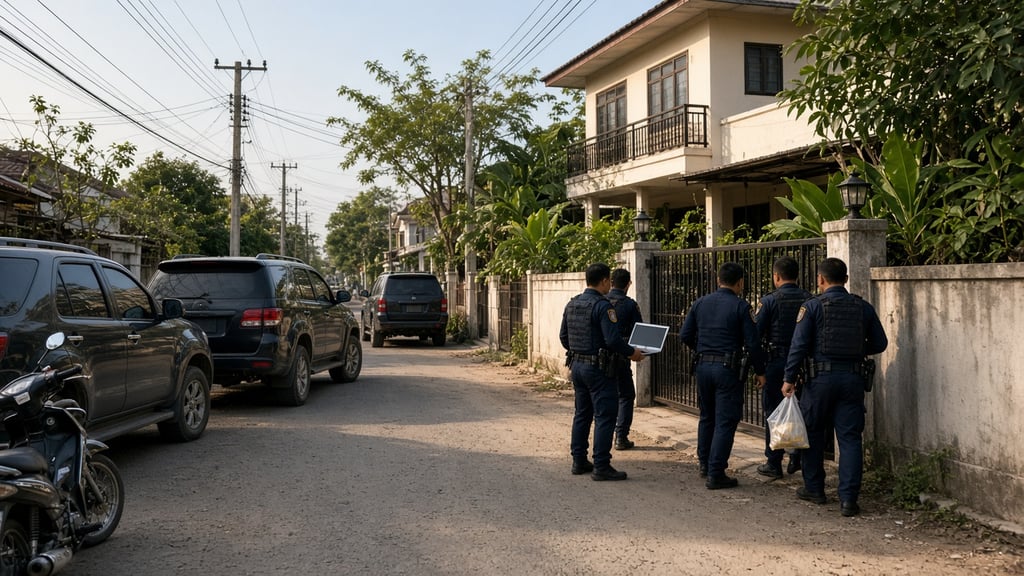
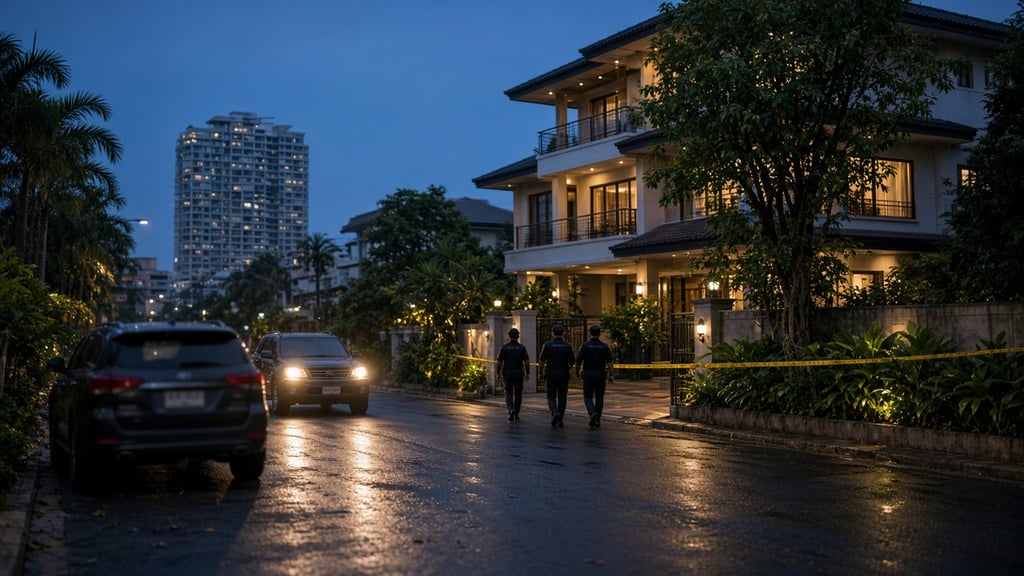
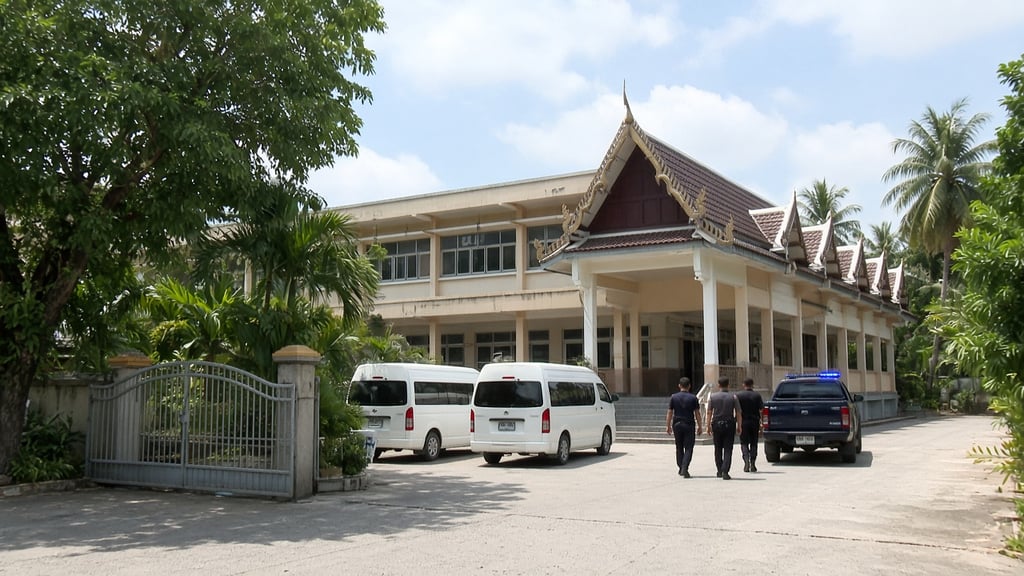
A joint team from Provincial Police Region 2, Pattaya City Police, and Chonburi Immigration executed two Pattaya Magistrate Court warrants at 17:30 on 27 November 2026. The first address was a rented house at 138/21 Chaiyaphruek Road in Moo 12, Nong Prue, Bang Lamung. The second was a 17th-floor unit at Lumpini Park Beach Jomtien, Building B. Six Chinese nationals were detained. Investigators say the sites were used as an unlicensed USDT exchange with a preliminary monthly turnover of about 200 million baht.
The Nong Prue house and the Jomtien condo
Region 2 commander Pol. Lt. Gen. Wasan Techa-akkharakasem led the searches with Pattaya City Police and Chonburi Immigration. Cyber Crime Investigation Bureau officers were not named on the search party. The warrants were issued by Pattaya Magistrate Court the same afternoon.
At the Nong Prue house, officers found five people working on USDT exchanges: Li Longzhou, 35; Zhao Shanquan, 35; Liu Shu, 42; Liu Xin, 37; and Tang Jianbing, 56. The seizure list covered computers and monitors, 13 mobile phones, internet signal routers, and three hardware wallets. At the Jomtien condo, officers detained He Yalong and took two desktop computers and two phones. Investigators treat him as a possible controller of the five people at the house.
Police say the case began with a tip about unusual traffic at the rented house, then surveillance, then the court papers. The five had lived there for more than a year at 70,000 baht a month. Each was paid about 50,000 baht a month, according to the briefing. Investigators believe some of the money came from scam networks and online gambling, then moved through transactions tied to online goods purchases. Most of the alleged victims, they add, are in China rather than in Pattaya's tourist trade. The 200 million baht figure is a police estimate of monthly circulation, not a court finding.
Student stamps, work law, and the missing licence
All five people at the house held student visas and were allegedly working without permission. A student stamp is a stay permission, not a work permit. The 27 March 2018 Emergency Decree rewrote Immigration Act B.E. 2522 section 37(1) so that a foreigner on a temporary stay shall not work except with permission under the Foreign Business Act or the Foreigners' Working Management Emergency Decree 2017. Chonburi Immigration will question He Yalong on the money trail. Thai criminal process comes first, then deportation.
The digital-asset side sits on a different statute. Under the Emergency Decree on Digital Asset Businesses B.E. 2561 (2018), an exchange, broker, or dealer needs a licence from the Minister of Finance on the SEC's recommendation (section 26). Operating without that licence is an offence under section 66: two to five years in prison and a fine of 200,000 to 500,000 baht. In August 2025 the SEC warned that private desks outside licensed venues can fall inside that offence, with no regulatory protection for customers. Region 2 did not publish a full charge sheet on Friday night. The legal frame is the digital-asset decree plus work and immigration rules, not a Cyber Crime Investigation Bureau case file.
What This Means for Expats and Travelers in Thailand
Pattaya has a cash-to-token market that lives in Telegram groups, condominium lobbies, and rented houses, not on Walking Street exchange boards. Reddit threads in r/Pattaya already treat who cashes USDT locally as a routine question, and one 2025 reply pointed visitors to a Chinese exchange shop. That informal desk is the model police described in Nong Prue: a private house matching cash and Tether without an SEC licence, without know-your-customer checks, and without a Bank of Thailand foreign-exchange licence either.
If you need to move digital assets into baht, use an SEC-licensed operator and a bank or authorized money changer. The SEC's Check First list is the public roster. A better rate offered in a soi, a condo line group, or a student-visa household is an unlicensed desk. You can lose the funds or walk into a money-laundering investigation. Landlords in Bang Lamung and Jomtien should treat long-stay student tenants running multiple computers and hardware wallets as a TM.30 and work-permit problem, not just a quiet tenant. This raid does not make licensed crypto illegal in Thailand. It makes the grey cash desk in a rented house a police target.
Comment verification
Step 1 of 3
Verify your email once to publish your comment. Your email is never shown publicly.
Enter the 6-digit code sent to .
Choose the display name shown next to your comments.