Thai condo buyer recovers 132,760 baht after mortgage rejection
OCPB mediation produced a 132,760 baht refund agreement for a Thai condominium buyer who had already paid 265,520 baht before a bank refused the housing loan. The 25 November settlement is a reminder to put mortgage-fail terms in writing, for Thai borrowers and foreign cash buyers alike.
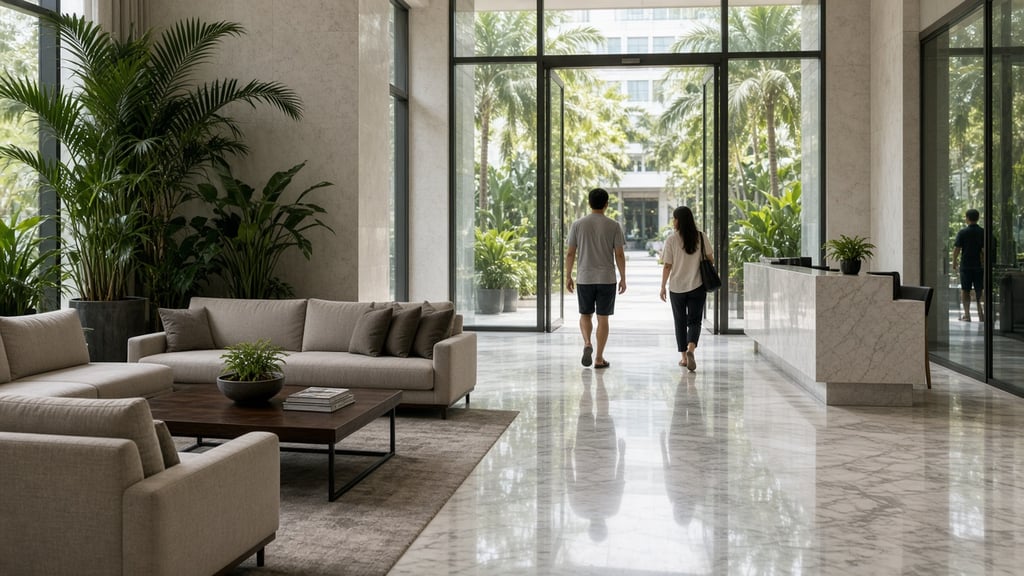
A Thai condominium buyer who had already paid 265,520 baht toward a unit now has a 132,760 baht refund agreement after a bank refused the housing loan. The Office of the Consumer Protection Board mediated the case, and Minister attached to the Prime Minister's Office Supamas Isarabhakdi, who oversees the agency, announced the outcome on 25 November 2026.
Officials did not name the buyer or the project. That omission is normal in OCPB case notes, which put the figures and the paperwork lesson in front of the public rather than a sales brochure.
The consumer had paid a reservation fee, a contract payment, and down-payment instalments, together 265,520 baht. After the financial institution declined the mortgage, the buyer asked for the money back and then filed a complaint with the OCPB. The office invited both sides to mediation. They agreed to cancel the sale and purchase agreement. The developer committed to return 132,760 baht, half of what had already been paid.
A mediated settlement is not a court judgment and it is not a new nationwide refund schedule. A failed loan does not automatically empty a developer's ledger. A buyer who keeps the paper trail can still recover a six-figure sum without filing a lawsuit.
Read the booking form before the money leaves
Supamas used the case to warn people who plan to borrow for a condominium. Before any booking money leaves the account, buyers should ask to read the reservation form and the draft sale and purchase agreement. If a salesperson promises that a rejected mortgage means a refund, that promise should be written into the documents before anyone pays.
That warning matters because Thai condo sales often split money into a reservation fee, a contract-signing payment, and down-payment instalments while the building is finished. Banks decide later. If the loan dies, the contract may treat the buyer as the party who cannot complete, which is how deposits vanish.
The Contracts Committee has already tightened the reservation layer. A 2024 notification made condominium bookings a contract-controlled business from 31 January 2025. If the buyer cannot obtain a housing loan in time, the standard form must allow cancellation and return the reservation fee in full, usually within 15 days for a bank transfer. Down payments sit in a different legal bucket, which is why a half-refund of everything paid can look like a win and still look incomplete.
People with the same problem should keep the booking form, the sale agreement, receipts, the bank's loan result, and every message with the project. Those records are what the OCPB uses in the room. Complaints can go through hotline 1166, the OCPB Connect application, www.ocpb.go.th, or provincial OCPB offices.
A small case with a larger credit backdrop
The Government Public Relations Department carried the same 25 November figures, matching the OCPB notice on the amount paid, the amount returned, and the instruction to put loan-failure refund terms in writing.
Property complaints have been a priority file at the OCPB for months. In August 2026 the same minister reported earlier mediations after failed inspections or refused credit. This November case is smaller in baht and cleaner as a lesson: the buyer paid, the bank said no, and the agency got both sides to cancel rather than freeze the cash.
Housing credit has been selective. Banks have been slower to approve mid-market condominium loans when income, existing debt, or project risk looks thin. Sales galleries still push weekend reservations. The gap between a fast booking and a slow credit committee is where this dispute was born.
What This Means for Expats and Travelers in Thailand
This file is a Thai buyer using a Thai bank, the typical OCPB mortgage-rejection case. Foreigners who buy condominiums in Thailand usually pay in cash after remitting funds from abroad, because Thai banks rarely extend home loans to non-residents. A cash buyer will not replay this exact plot, but can still lose a booking fee or down payment if the contract lets the developer keep it.
OCPB protection is for consumers in Thailand, not only Thai passport holders. A foreigner who buys a unit from a developer as a consumer can file the same complaint and sit in the same mediation. The channel is weakest on private resales between two individuals.
Government guidance on foreign property purchases is a separate gate. Foreigners may own condominium units if combined foreign ownership stays within 49 percent of the building's saleable area, and purchase funds are normally remitted from overseas. Quota paperwork does not replace a fair booking clause, and it does not block an OCPB filing.
Before any money moves, read the Thai and English reservation forms, insist on a written mortgage-condition or cancellation clause if you still need finance, and confirm the foreign quota in writing. Never treat a sales-gallery verbal promise as the contract. If the deal sours, call 1166 or use OCPB Connect with receipts in hand. Short-stay visitors who tour a show unit should treat a same-day booking deposit the same way. Small cash on a clipboard is still a consumer payment.


Comment verification
Step 1 of 3
Verify your email once to publish your comment. Your email is never shown publicly.
Enter the 6-digit code sent to .
Choose the display name shown next to your comments.