Thai Government Says Manila Trade Paper Does Not Scrap Tariffs on US Imports
Bangkok says the 17 November joint statement with Washington confirms that reciprocal-trade talks have reached a core deal, not that Thai import duties on US goods have been abolished. Current tariffs still apply until a full agreement is signed, approved, and in force.
Thailand has not abolished import duties on American goods. That is the core message from Bangkok after Prime Minister Anutin Charnvirakul and US President Donald Trump signed a joint statement in Manila on 17 November 2026 on an Agreement on Reciprocal Trade, known as ART. The written statement, posted by the White House the same day, says the two governments have reached a substantial conclusion of negotiations and will now start their own internal processes to prepare the pact for signature and entry into force. It does not instruct Thai Customs to wave through US cargo duty free.
Confusion spread after public remarks in Washington described the Manila paper as if Thailand had already agreed to wipe out tariffs on all US exports, ease non-tariff rules on vehicles, medical devices, pharmaceuticals, ethanol and poultry, and buy extra American farm products. Thai poultry growers, ethanol millers, and some manufacturers heard that as a sudden opening of the home market. Officials spent 18 November explaining that no duty has moved.
What the Manila paper actually is
The Prime Minister's Office and the Government Public Relations Department described the signing as a political confirmation, not a finished treaty. Spokesman Ekkaphop Pianpises said the leaders were recording that talks on the main elements of ART have finished. Legal teams still have to scrub the text. Thailand then has to take the draft through Cabinet, a public hearing, and Parliament under the constitution. The pact takes effect only after both sides complete those steps.
The Ministry of Foreign Affairs noted that Thai and US officials discussed the ceremony on the sidelines of the 49th ASEAN Summit in Manila. The Commerce Ministry's Department of Trade Negotiations was blunter. The joint statement is not the finished ART, and it does not require Thailand to cut a single import duty today. US goods entering Thai ports still pay the same rates as last week.
ART sits on older legal furniture. The 1966 Treaty of Amity and Economic Relations and the 2002 Trade and Investment Framework Agreement remain the baseline. An October 2025 framework first sketched the deal and said that, once a final pact is in force, Thailand would eliminate tariff barriers on about 99 percent of goods. That is a negotiating target, not a customs instruction. The same framework left the United States holding a 19 percent reciprocal tariff on originating Thai goods, with selected lines possibly moving to zero later.
Why farmers and factories are nervous
The 2025 framework listed the sectors Washington cares about most: American vehicles built to US safety and emissions rules, US Food and Drug Administration papers for medical devices and medicines, import permits for fuel ethanol, and faster access for US meat and poultry certified by the Food Safety and Inspection Service. It also noted planned Thai purchases of feed corn, soybean meal, and distillers dried grains worth an estimated 2.6 billion US dollars a year, plus energy cargoes and US aircraft.
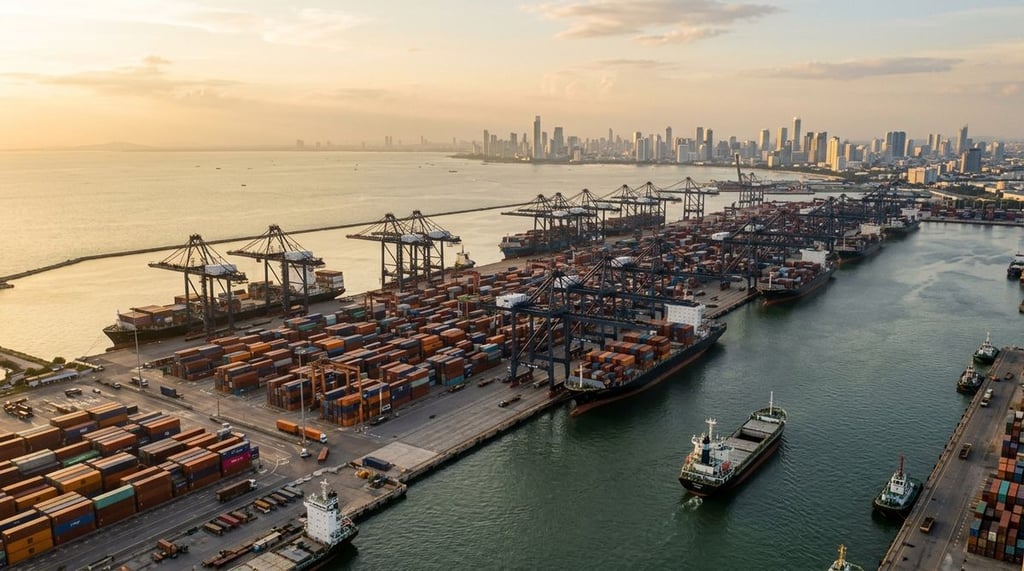
Those are the lines that rattle Thai producers. Poultry growers fear cheaper US chicken. Cassava and sugar millers watch ethanol. Auto parts makers and assemblers watch the vehicle rules. Rice, fruit, and shrimp exporters, by contrast, care more about keeping access to the US market, which Thai officials call the country's number-one export destination, worth 2.37 trillion baht in 2025 and tied to about 1.25 million jobs.
Deputy Prime Minister and Commerce Minister Suphajee Suthumpun, who led the Thai negotiating team, has said market opening will not mean every sector is thrown open at once. Goods Thailand does not make, cannot make in volume, or needs for food and energy security are the easier cuts. Where imports would hit local farms or factories, Bangkok says it can use quotas, volume caps, and support measures. Cuts, when they come, would follow a product-by-product schedule of the kind Thailand already uses in other trade pacts.
Thailand's immediate commercial ask in the other direction is a lower US duty under existing Section 301 forced-labour measures, from 12.5 percent toward 10 percent, the rate already applied to some ASEAN partners that have finished their own reciprocal-trade papers with Washington. That cut is still a request, not a published US tariff change.
What This Means for Expats and Travelers in Thailand
Imported American groceries, wine, over-the-counter medicines, and spare parts on Bangkok supermarket shelves have not become cheaper overnight. Customs is still collecting the old duty. Anyone waiting for a US-spec car, a medical device, or a container of household goods should budget the current tariff, not a rumour of zero.
If ART is later signed and enters into force, some US consumer goods could see staged duty cuts. Sensitive farm and factory lines may stay behind quotas for years. There is no published start date. Legal scrubbing is expected to take at least one to two months, then Cabinet, hearings, and Parliament. Shoppers, importers, and freight forwarders should treat November's Manila paper as a diplomatic marker, not a price list.
Exporters of Thai goods to the United States should likewise wait for a signed text and a US tariff notice before rewriting contracts. The joint statement lowers political uncertainty. It does not rewrite the tariff book.
Comment verification
Step 1 of 3
Verify your email once to publish your comment. Your email is never shown publicly.
Enter the 6-digit code sent to .
Choose the display name shown next to your comments.