USTR Proposes Tariffs of Up to 18 Percent on Thai Goods After Overcapacity Finding
Washington determined Thai industrial policy is actionable under Section 301 and proposed duties of up to 18 percent on Thai imports, among 14 economies. The extra levy is not yet in force.
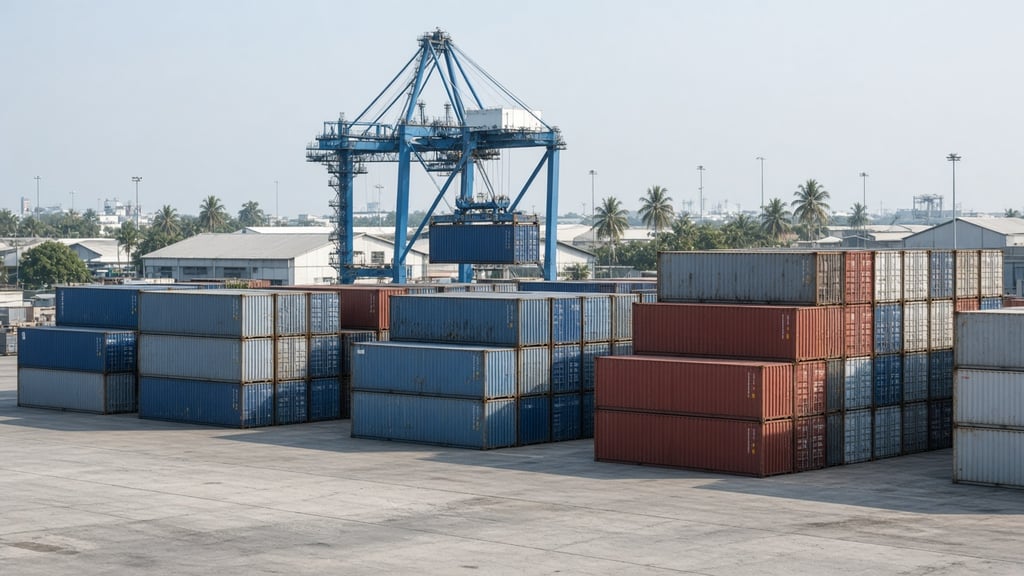
Washington put a number on Thai factories on 25 November 2026. The Office of the United States Trade Representative determined that Thai industrial policy tied to structural excess capacity in manufacturing is unreasonable, burdens U.S. commerce, and is actionable under Section 301 of the Trade Act of 1974. In the same package, USTR proposed additional duties of up to 18 percent on goods of Thailand, net of existing Section 301 tariffs, with listed exemptions. Thailand is one of 14 economies in that round, alongside China, the European Union, Singapore, Switzerland, Indonesia, Malaysia, Cambodia, Korea, Vietnam, Taiwan, Bangladesh, Japan, and India.
The extra 18 percent is a proposal, not a collection order. USTR is taking written comments and hearing requests through 5 January 2027, and the Section 301 Committee will hold public hearings from 25 January 2027 at the U.S. International Trade Commission in Washington. Until a later notice sets an effective date and instructs U.S. Customs and Border Protection, this ceiling is not a line on a port receipt.
What the USTR notice actually says
The probe opened on 11 March 2026, when USTR self-initiated investigations into structural excess capacity across 16 economies. The legal hook is Section 301, the U.S. statute that lets the Trade Representative impose duties to obtain the elimination of foreign practices found unreasonable or discriminatory.
For Thailand, USTR lists five clusters of conduct: industrial plans that target manufacturing and export; market-access barriers, including import bans and licensing; preferential lending and other support, especially around automobiles; inadequate labor protections that, in USTR's account, suppress wages; and a failure to address global overcapacity, including inputs and investment from non-market economies. The office says those practices show up most clearly in electronics, automobiles, machinery, and electrical equipment.
The proposed remedy is broader than those four sectors. USTR proposes additional duties on all products of Thailand except the exemptions in the notice. The ceiling is up to 18 percent, net of existing Section 301 tariffs. If consultations and existing commitments look unsatisfactory, the same notice says USTR would consider a ceiling of up to 25 percent.
Verified exemptions include articles already under Section 232: aluminum, steel, copper and derivatives; passenger vehicles and light trucks and their parts; medium- and heavy-duty vehicles and their parts; wood products; patented pharmaceutical articles; and semiconductor articles. The notice also carves out informational materials such as books, donations, accompanied baggage, certain annex items, and certain agglomerated iron ores.
How 18 percent sits next to duties already in force
Thai goods already face a separate Section 301 duty of 12.5 percent from a forced-labor import-prohibition case covering 60 economies, in force since 24 July 2026. The new notice says the 18 percent proposal is net of existing Section 301 tariffs and also accounts for Section 232 duties, talks with Bangkok, and the October 2025 Framework for a United States-Thailand Agreement on Reciprocal Trade.
USTR cites a Thai goods surplus with the United States from about $34.5 billion in 2021 to $71.2 billion in 2025, and flags a high concentration of hard-disk-drive production in Thailand as a supply-chain chokepoint. Thailand is grouped with Bangladesh, Cambodia, Indonesia, and Malaysia at an 18 percent proposed cap.
What This Means for Expats and Travelers in Thailand
This is not yet a receipt at the port. Households in Bangkok, Chiang Mai, or Phuket will not see an 18 percent U.S. import tax appear on a supermarket till because of this notice. The levy, if finalized, would be collected by U.S. Customs on Thai-origin goods entering the United States, not on tourist arrivals at Suvarnabhumi or on domestic prices for rice, rent, or a BTS ride. Travelers flying home with accompanied baggage are in the exemption language.
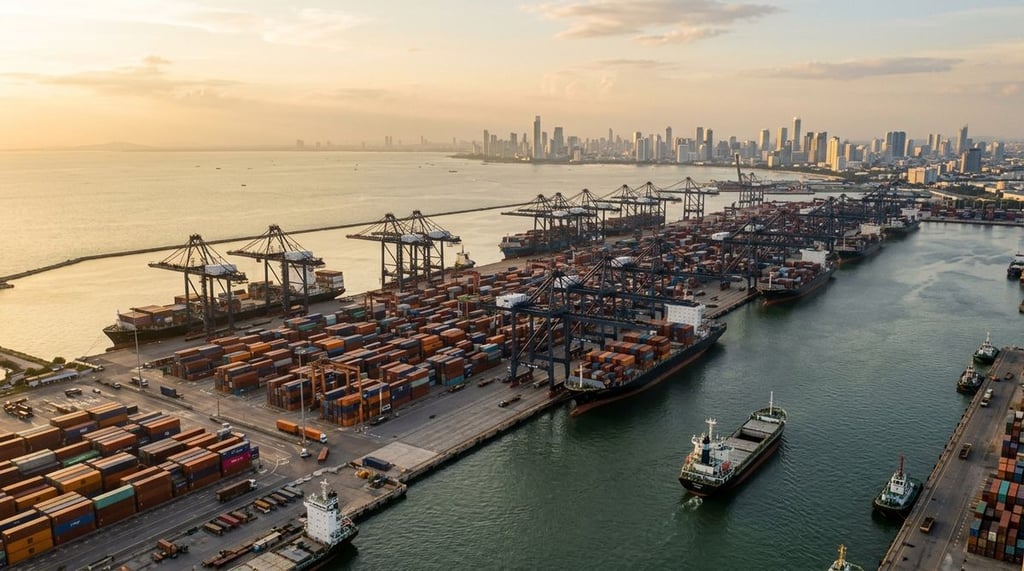
The practical risk sits in export jobs and in the U.S. price of Thai-made goods. Eastern Seaboard and Greater Bangkok plants in electronics, auto parts, machinery, and electrical equipment are the sectors USTR named. If the 18 percent ceiling is finalized after January, U.S. buyers may cut orders, shift sourcing, or pass the duty through to American retail prices. Factory towns from Chonburi to Ayutthaya would feel that as overtime, hiring freezes, or delayed expansions long before a tourist notices anything at breakfast.
Expats who import Thai products into the United States should watch docket USTR-2026-0739 and the 25 January hearing, not headlines. Dual residents moving household goods should confirm whether a shipment is accompanied baggage or a commercial entry. Anyone assuming a sudden jump in Bangkok consumer prices from this notice is mixing up an American import tax with a Thai cost-of-living story.
Comment verification
Step 1 of 3
Verify your email once to publish your comment. Your email is never shown publicly.
Enter the 6-digit code sent to .
Choose the display name shown next to your comments.