Thailand Opens a Pacific Door to Latin America With a Full Peru Trade Pact
Thailand and Peru signed a comprehensive free trade agreement in Shenzhen on 19 November 2026, widening a goods-only protocol into services, rules, and deeper tariff cuts. Benefits wait on domestic approval, with Thai exporters looking toward 2027.
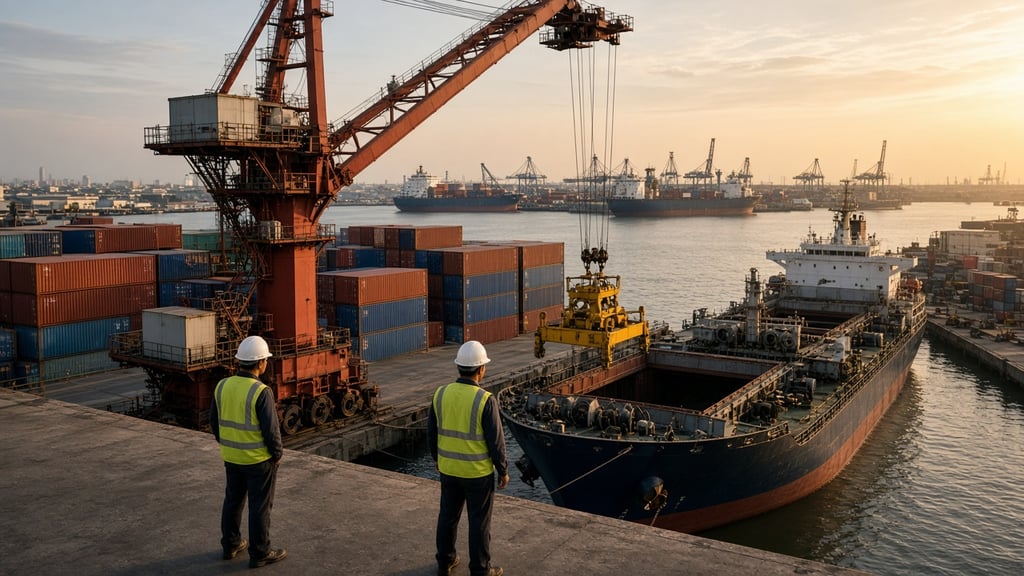
Thailand signed a comprehensive free trade agreement with Peru on 19 November 2026 in Shenzhen, on the sidelines of the 33rd APEC Economic Leaders Meeting. Prime Minister Anutin Charnvirakul and Peruvian President Keiko Sofia Fujimori Higuchi witnessed the ceremony after talks that also covered green energy, logistics, and online scams. Deputy Prime Minister and Commerce Minister Suphajee Suthumpun signed for Thailand. Peru's Minister of Foreign Trade and Tourism, Rogers Martin Valencia Espinoza, signed for Lima.
The pact is Thailand's first full FTA with a South American partner that goes beyond a goods-only protocol. It is not yet in force. Bangkok still has to send the text through Parliament and finish domestic procedures. Lima has its own internal steps. Thai officials have pointed to 2027 as the year exporters could start using the new preferences, not the week after the photo.
A decade of stalled talks, then a sprint
Thailand and Peru already trade under a Framework Agreement on Closer Economic Partnership signed in 2003 and a goods protocol that entered into force on 31 December 2011. That older instrument was updated in 2023. Comprehensive talks later stalled around 2014, restarted in 2024 and 2025, and were declared substantially concluded in December 2025 after two negotiation rounds. The Shenzhen signing closed the file in public, more than ten years after the first serious attempt to write a wider deal.
Peru's trade ministry says preferential access into Thailand would rise from 66 percent to 94 percent of the tariff universe once the new agreement takes effect. The text also adds chapters the 2011 protocol never covered: services including financial services, competition policy, trade defence, temporary entry for business people, intellectual property, and cooperation. That is the difference between a tariff list and a modern trade rulebook.
What Thailand wants to sell, and what it wants to buy
Commerce officials have listed vehicles and parts, tyres, dietary supplements, catfish and tilapia, pineapples, papayas, processed fruit, machinery, construction materials, plastics, and veterinary supplies for pets as Thai lines that could find more room in Peru. Peru is pitching wooden furniture, fruit juices, honey, pet food, fishmeal, and fishery products, with giant squid already a leading shipment into Thailand.
Two-way trade hit a record US$739 million in 2025. Peruvian exports to Thailand were US$120 million that year, up 8.8 percent, still a thin corridor next to Thailand's main Asian and Western partners. The political pitch in both capitals is diversification. Bangkok wants a Latin American door while global trade is choppy. Lima wants a Southeast Asian consumer market of more than 72 million people.
Chancay and the Pacific bet
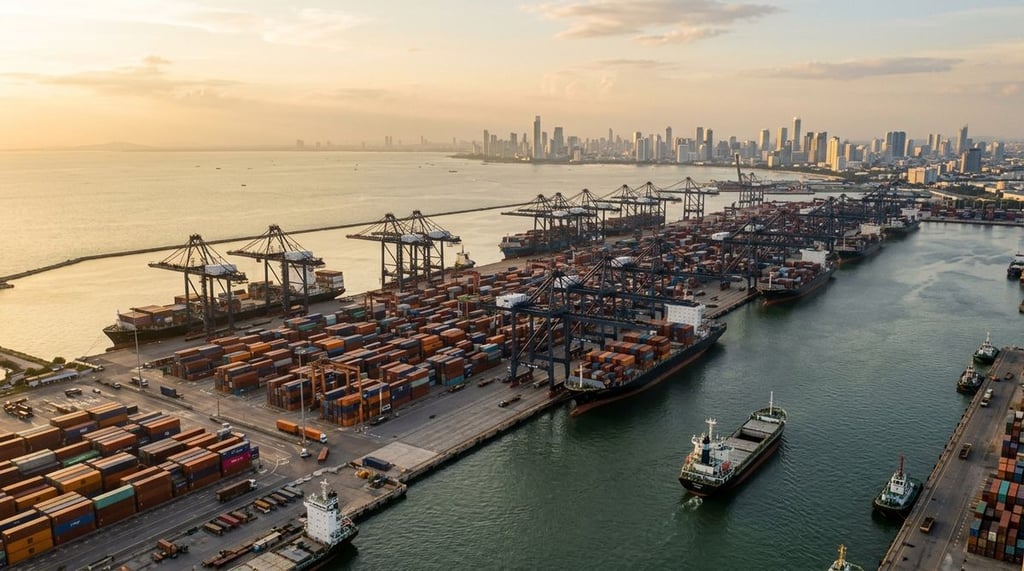
Leaders on both sides treated Peru's Port of Chancay, north of Lima, as more than a local harbour. The Thai Foreign Ministry said both governments want the deepwater terminal to tighten Asia-Latin America logistics. Bangkok's commerce officials make the same bet: a faster Pacific hop could cut time and cost for Thai cargo heading into the Andes. That is a shipping wager, not a customs stamp. The FTA does not open Brazil or Mexico. It opens Peru, with a port story attached.
APEC's 2026 leaders declaration in Shenzhen again backed market-driven integration and work on a Free Trade Area of the Asia-Pacific. The Thailand-Peru signing sat on the margins of that week, a bilateral instrument that happens to fit the forum's regional trade talk.
Signature is not entry into force
Thai public communications have been explicit. After the signing, each country still has legal steps at home. The Commerce Ministry will submit the agreement to Parliament. Only after those processes finish can firms claim the new tariff treatment, and only if they meet rules of origin, product standards, and the paperwork that every FTA quietly demands. A 2027 window is a planning date, not a start date printed on a form.
What This Means for Expats and Travelers in Thailand
This deal does not change tourist visas, retirement stamps, or the right to work in Thailand. A chapter on temporary entry for business people, if it survives ratification in the published text, would be a commercial mobility rule, not a holiday waiver. Travellers from Peru should keep using the current Thai visa channels until a Gazette notice says otherwise.
Residents who import Peruvian food, coffee, or household goods may eventually see a wider duty-paid mix once preferences apply, but supermarket shelves will not reset in December 2026. Exporters and factory buyers should spend the ratification window on origin rules and labelling rather than reprinting price lists. Anyone booking Lima or Cusco from Bangkok is watching a trade story, not a new air-rights package. Tourism and possible air links remain a follow-on conversation, not a signed route.
Comment verification
Step 1 of 3
Verify your email once to publish your comment. Your email is never shown publicly.
Enter the 6-digit code sent to .
Choose the display name shown next to your comments.