Bangkok Asks Washington to Drop the Proposed 18 Percent Tariff and Widen Thai Exemptions
Commerce Minister Suphajee Suthumpun said on 26 November 2026 that Thailand wants the United States to drop a proposed 18 percent tariff on Thai goods, add about 15 more product exemptions, and aim for a zero rate, a target she treated as difficult.
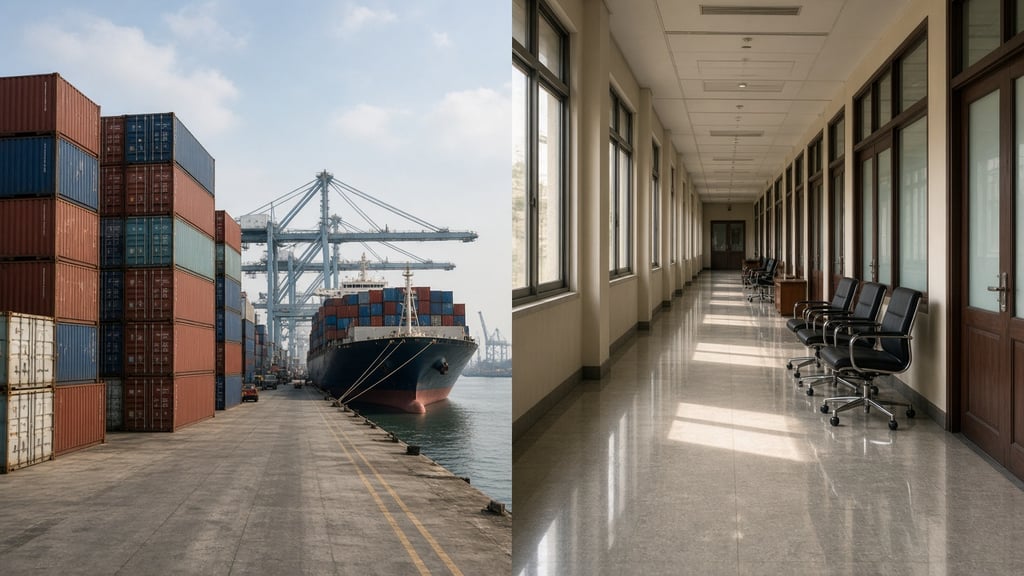
Thailand will ask the United States to drop a proposed 18 percent tariff on Thai goods and to put more products on the exemption list, Deputy Prime Minister and Commerce Minister Suphajee Suthumpun said at Government House on 26 November 2026. Bangkok's preferred outcome is a zero rate. The minister treated that target as hard to win.
The briefing was about Bangkok's request, not a recap of Washington's draft. A day earlier, the Office of the United States Trade Representative published a proposed action of tariffs of up to 18 percent on goods of Thailand, net of existing Section 301 duties, with listed exemptions. It is not a duty that US Customs will collect this week.
Zero is the ask. Below 18 percent is the fallback.
Suphajee said Team Thailand, the public-private group handling the file, will keep pressing for the lowest rate Washington will accept. The Government Public Relations Department recorded the same line after the briefing: the best outcome is 0 percent. If that ceiling does not move, Bangkok still wants a final figure under the 18 percent draft.
The second half of the ask is a longer exemption list. The US draft already sets aside 2,121 product lines, including tropical fruit, some industrial inputs, and electronics used in computers and data centers. Commerce will seek roughly 15 more groups, among them shrimp, rice, fish and seafood, cassava products, beverages, pet food, rubber gloves, and rubber products.
How Bangkok plans to use the US comment window
Thai agencies will file written comments and objections with USTR by 5 January 2027 and will appear at the public hearing set for 25 January 2027 in Washington. The Department of Foreign Trade is preparing that packet with exporters, challenging both the 18 percent figure and the finding that Thai industrial policy created structural excess capacity.
The draft is not in force. Covered Thai goods still face the existing 12.5 percent Section 301 duty tied to forced labour import controls. Commerce officials said they expect any new measure, if adopted, around 11 March 2027. Until then, the room to negotiate is the comment docket, the hearing, and the unfinished Thailand-US Agreement on Reciprocal Trade.
Suphajee tied the 18 percent ceiling to a joint statement signed on 17 November 2026 in Manila by Prime Minister Anutin Charnvirakul and US President Donald Trump. Without that step, she said, Thailand could have faced a proposed rate as high as 25 percent, seven points above the 18 percent assigned to Malaysia, Indonesia, and Cambodia. Bangkok is treating 18 percent as a ceiling to fight, not a rate to lock in.
What Thailand says is at stake
Thai goods shipped to the United States were worth 2.37 trillion baht in 2025, about a quarter of total exports, with a 2026 projection close to 3 trillion baht. More than 1.25 million jobs sit on that trade. Farm shipments, excluding rubber, are about 170 billion baht a year. Preliminary ministry estimates say the 2,121 already-exempt lines cover about half of the value of Thai exports to the United States.
The proposed 18 percent figure is not meant to stack on top of the 12.5 percent duty already in place. USTR's Thailand notice describes the action as tariffs of up to 18 percent, net of existing Section 301 tariffs. That is the difference between an 18 percent problem and a 30 percent-plus problem, which is why Commerce is spending capital on the remaining rate and the exemption list.
What This Means for Expats and Travelers in Thailand
This is a trade file, not an entry tax. Tourist stamps, arrival cards, and airport fees do not change because Commerce asked for a lower US duty. Travellers flying into Suvarnabhumi or Phuket this week will not see an 18 percent line at immigration.
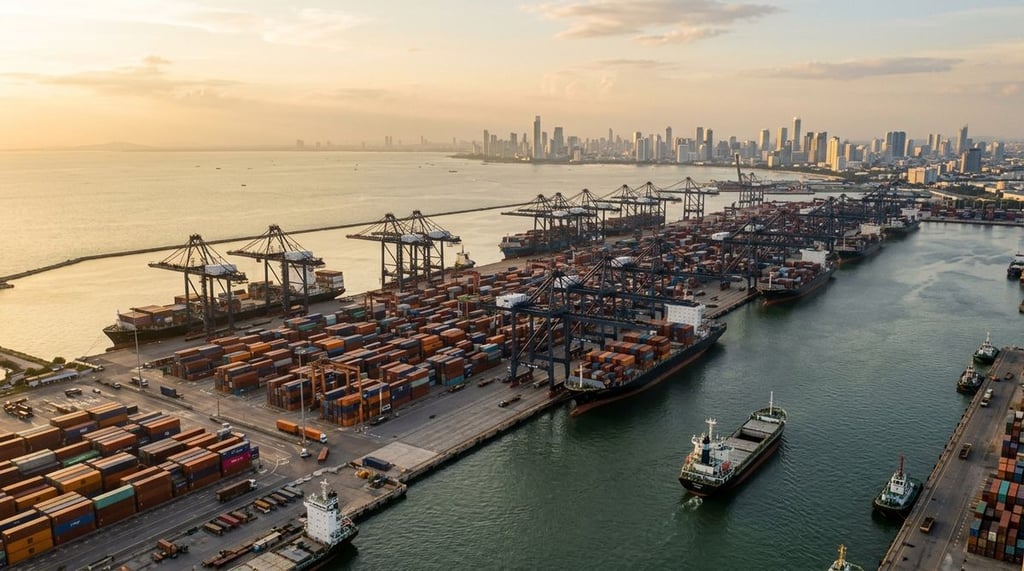
Exporters, freight desks at Laem Chabang, and US-linked factories should watch the file. Invoices for covered goods still carry the existing 12.5 percent Section 301 duty until Washington publishes a final decision. Do not let a customer in California rewrite a purchase order at 18 percent on the strength of a headline. The comment window is open until 5 January 2027. The hearing is 25 January. Commerce's working date for any new measure is around 11 March 2027.
Residents who ship Thai rice, seafood, pet food, or rubber gloves to family in the United States should treat those names as products Bangkok is trying to pull onto the exemption list. Tropical fruit and some electronics already sit in the 2,121-line carve-out. If you sell into the US from Bangkok, do not assume the 18 percent draft is live.
Comment verification
Step 1 of 3
Verify your email once to publish your comment. Your email is never shown publicly.
Enter the 6-digit code sent to .
Choose the display name shown next to your comments.