Bangkok Heat Crisis: Tackling Rising Temperatures and Economic Impact in 2025
The clock is ticking, and the vibrant city of Bangkok finds itself facing a sweltering dilemma. A seemingly modest one-degree Celsius increase in the city's average temperature could spiral into a crisis of monumental…
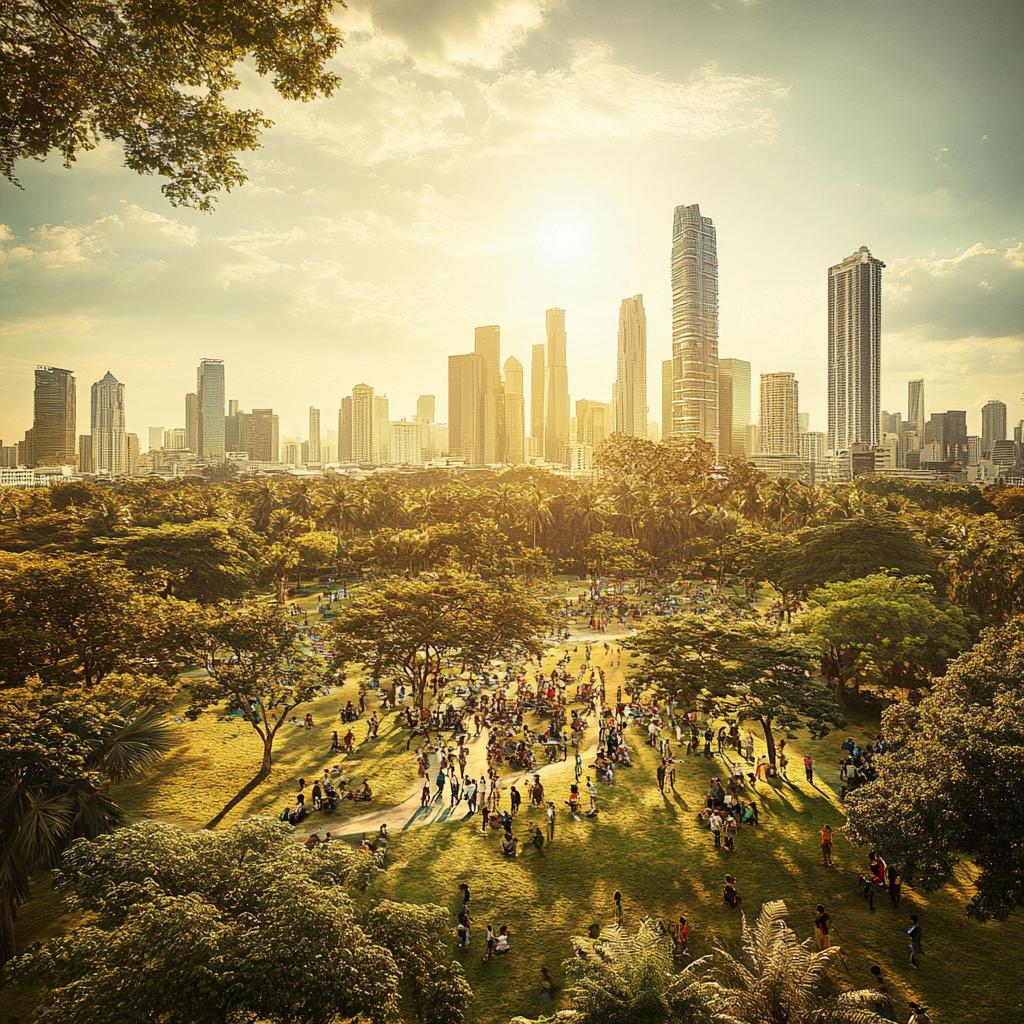
The clock is ticking, and the vibrant city of Bangkok finds itself facing a sweltering dilemma. A seemingly modest one-degree Celsius increase in the city's average temperature could spiral into a crisis of monumental proportions, with projections indicating over 2,300 heat-related deaths annually. That's just the tip of the melting iceberg; a scorching heatwave threatens to scorch around 44 billion baht from wages lost to dwindling productivity and add a sizzling 17 billion baht to electricity bills from increased demand for cooling solutions every year.
Enter the comprehensive study, "Shaping a Cooler Bangkok: Tackling Urban Heat for a More Livable City." As its title suggests, the report lays bare the fiery predicament of escalating heatwaves that drape the city in relentless warmth, exacerbated by the notorious urban heat island effect. These concrete jungles morph into literal ovens, straining everything — from the economy to infrastructure — while taking health risks to a boiling point. As the mercury rises, the consequences extend beyond just environmental concerns, metamorphosing into socio-economic hurdles that necessitate swift and concerted action.
Fast forward to 2050, and without mitigating measures, Bangkok might resemble a sci-fi dystopia where soaring temperatures could render many outdoor occupations impossible. Heat-related health conditions? Well, they'd likely become as commonplace as a summer monsoon. Vulnerable groups, particularly the charming souls of 880,000 children and the treasured hearts of a million seniors, might find themselves most susceptible to this cauldron-like capital.
"Urban heat is not just an environmental issue but an economic and social challenge that demands urgent action," declared the astute Melinda Good, helming the World Bank's division for Thailand and Myanmar. She enthusiastically vouched for the report, which serves as a rich menu of strategic solutions designed to empower Bangkok's decision-makers and businesses. It's a call to arms, rallying the city to embrace extreme heat adaptation techniques while nurturing its cherished citizens, sustaining jobs that stand exposed to heat, and securing long-term economic resilience.
The Bangkok Metropolitan Administration (BMA) is already spearheading efforts, joining forces like superheroes with both the government and business community to sprout cooling shelters, drape green corridors, and sound the trumpets of heat alert systems. Dive into the report, and discover a treasure trove of additional interventions and strategic reforms, inviting readers to imagine a Bangkok where early warning systems enhance awareness, public spaces transform into cooling sanctuaries, and urban planners engrave heat resilience into their blueprints.
"As Bangkok continues to grow, we must take decisive steps to address the escalating heat challenge," urged Chadchart Sittipunt, the dynamic Governor of Bangkok. His vision commands an army of insightful findings and innovative recommendations, guiding Bangkok towards safeguarding its golden-aged population and cherubic youths, ensuring a more livable, robust metropolis for the imminent generations.
The narrative painted by the report is one of collaboration — a tapestry of policymakers, businesses, and local communities weaving their efforts together, tackling heat mitigation today with eyes firmly set on crafting enduring solutions for tomorrow. Armed with these reforms, Bangkok will spotlight individuals in dire need, hot spots where even shadows thirst for respite, and institutions that must harmonize their axe to chop this challenge down to size. The World Bank and BMA stand united, tirelessly translating these insightful recommendations into tangible actions, championing Bangkok's unwavering march towards climate resilience.



Comment verification
Step 1 of 3
Verify your email once to publish your comment. Your email is never shown publicly.
Enter the 6-digit code sent to .
Choose the display name shown next to your comments.