Constitutional Court D-Day: Pita Limjaroenrat and Move Forward Party Await Dissolution Verdict
In a whirlwind of political drama, Pita Limjaroenrat, formerly at the helm of the Move Forward Party (MFP) and now serving as chief adviser, alongside MFP leader Chaithawat Tulanon, found themselves in the eye of a…
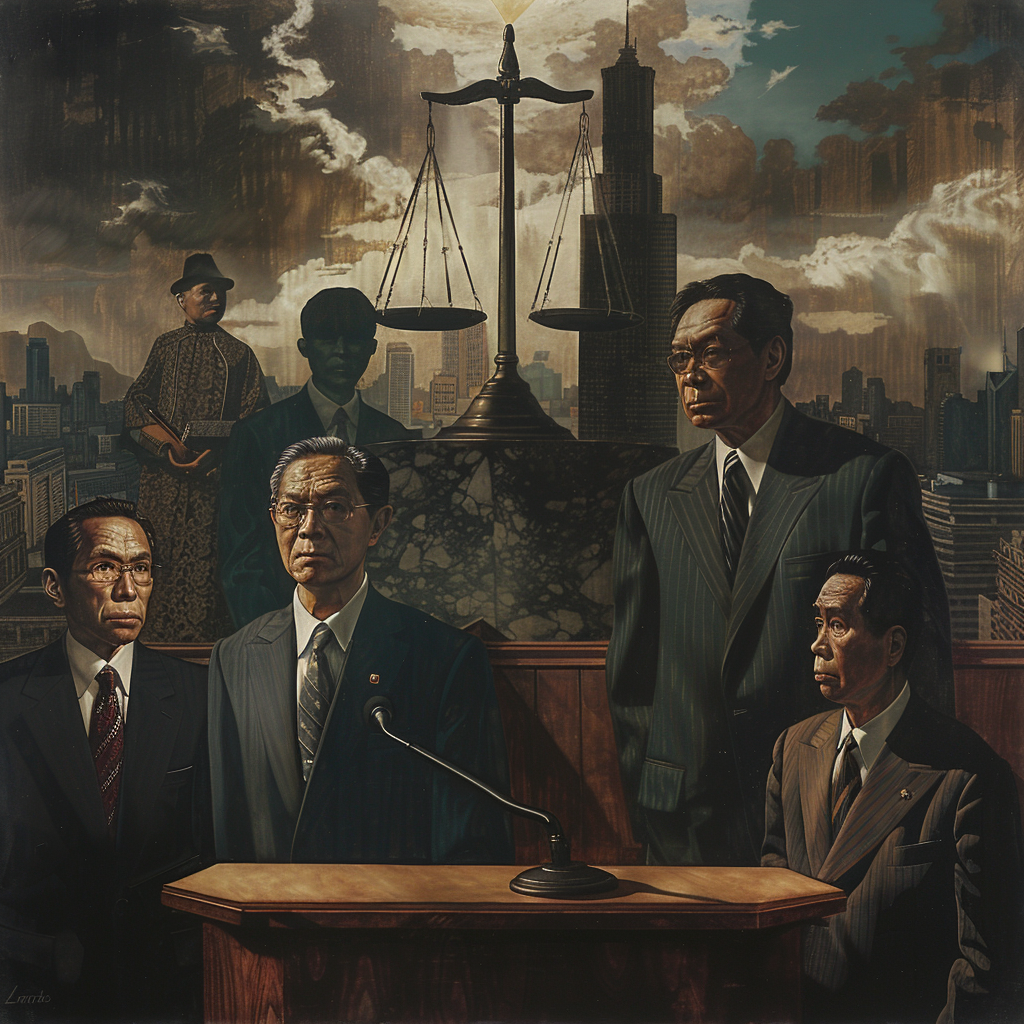
In a whirlwind of political drama, Pita Limjaroenrat, formerly at the helm of the Move Forward Party (MFP) and now serving as chief adviser, alongside MFP leader Chaithawat Tulanon, found themselves in the eye of a storm at a press conference that riveted the nation. This follows the Constitutional Court's ruling against the party’s bold lese majesty reform policy announced on January 31. (Photo: Nutthawat Wichieanbut)
The stage is now set for a climactic ruling from the Constitutional Court on August 7 concerning the potential dissolution of the fiery and dynamic Move Forward Party, a beacon for the opposition in Thailand's political theater. This comes on the heels of a petition lodged by the Election Commission's political party registrar. The petitioner has not only sought the party's dissolution but also pushed for a decade-long ban on the rights of party executives, precluding them from standing for election or being part of any other political party's executive team. This request draws its authority from Sections 92 and 94 of the organic law on political parties.
The heart of the petition rests on potent accusations: the Election Commission has purportedly unearthed damning evidence suggesting that the MFP harbors intentions of subverting Thailand's democratic regime, anchored firmly with HM the King as head of state. This claim is founded on what the commission deems to be the party's antagonistic stance towards the constitutional monarchy.
Back in March, the Petition’s genesis can be traced to the Constitutional Court's previous opinion on January 31, which concluded that the MFP’s push to amend Section 112 of the Criminal Code—the renowned lese-majeste law—was tantamount to an effort to destabilize the constitutional monarchy.
Wednesday’s court session brought the lingering suspense to an apex. The court, deeming the case suitably grounded with sufficient evidence, ended the hearings. The ball is now in MFP's court should they wish to submit a written closing statement by July 24.
Awaiting the August 7 verdict, one thing is clear—the echoes of this ruling will reverberate through Thailand's political landscape. This follows the court's unambiguous judgment on January 31, which not only nixed MFP’s bid to amend Section 112 but also tagged such campaigning as a violation of Section 49 of the constitution, equating it to an assault on the constitutional monarchy itself.
The MFP’s proposed amendments were sweeping—they aimed to restrict lese majeste complaints to the Royal Household Bureau, removing the ability for politicians and ordinary citizens to file them, and sought to mitigate the severity of sentences.
Despite this, Move Forward has enjoyed a meteoric rise, capturing the imagination and allegiance of Thailand's youth. Last year’s general election saw them scooping up the most votes and seats, a feat that underscored their widespread appeal. However, their bright potential coalition was thwarted by conservative lawmakers and senators appointed through military influence. In the plot twist of political sagas, the Pheu Thai Party, initially aligned with MFP, reversed its stance and tethered itself to parties from the antecedent government, spearheading the current ruling coalition.
This unfolding saga of political maneuvering and legal wrangling promises to be a gripping tale of power, principle, and the relentless pursuit of democratic ideals, set against the intricate tapestry of Thailand's constitutional monarchy.



Comment verification
Step 1 of 3
Verify your email once to publish your comment. Your email is never shown publicly.
Enter the 6-digit code sent to .
Choose the display name shown next to your comments.