Deputy PM Phumtham Wechayachai Leads Critical Negotiations on Surin’s Forgotten Rice Stockpile
Deputy Prime Minister and Commerce Minister Phumtham Wechayachai recently led reporters on an intriguing visit to inspect old rice stocks in the picturesque province of Surin this past May. This field trip has shed…
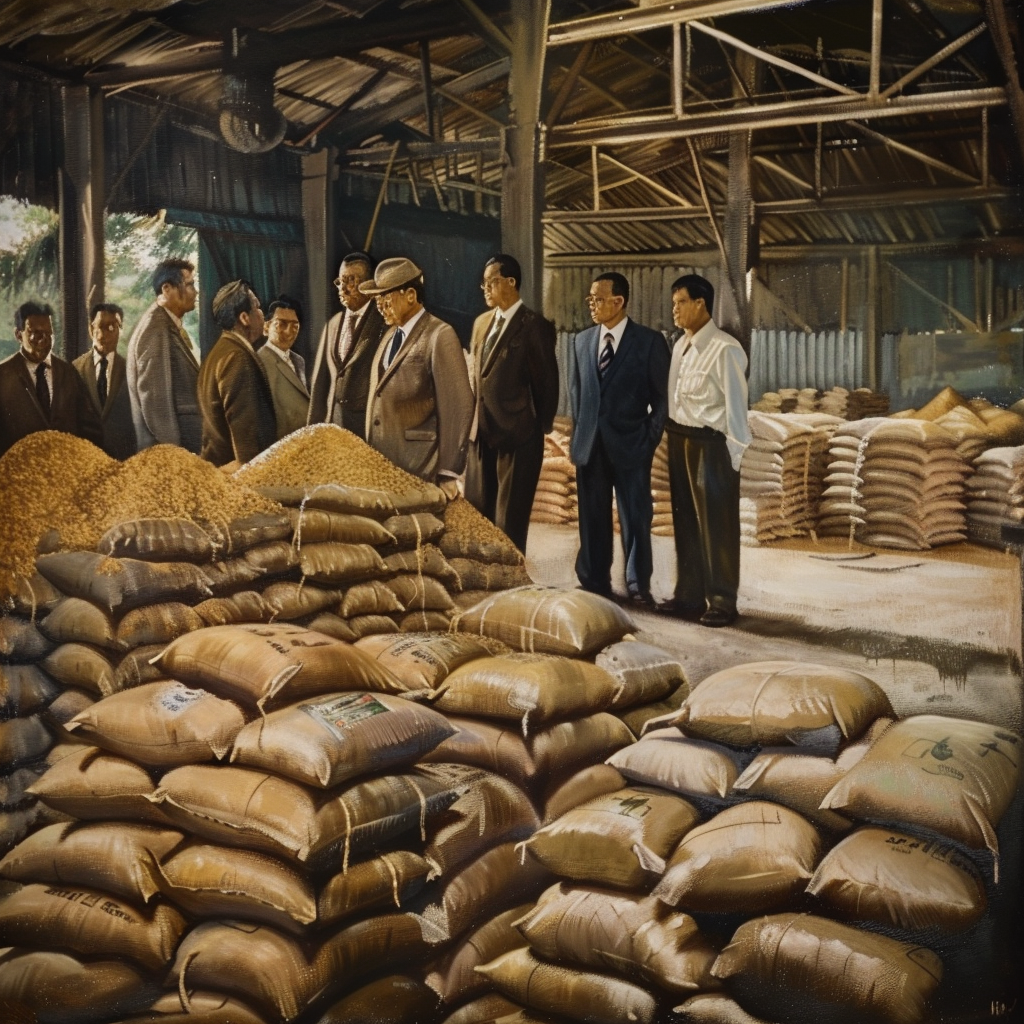
Deputy Prime Minister and Commerce Minister Phumtham Wechayachai recently led reporters on an intriguing visit to inspect old rice stocks in the picturesque province of Surin this past May. This field trip has shed light on the government's effort to conclude the sale of a significant leftover rice stockpile—around 15,000 tonnes—from former Prime Minister Yingluck Shinawatra's rice-pledging scheme. The intent behind this expedition was clear: transparency and progress in resolving this lingering agricultural conundrum.
Fast-forward to the present: the Public Warehouse Organisation (PWO) has been directed to expedite discussions with the remaining trio of bidders. The urgency comes as three other bidders were disqualified due to their affiliations with companies that have faced legal troubles linked to earlier PWO auctions. Among the disqualified entities are V8 Intertrading Co, Thanasan Rice Co, and SSMR Karnkaset Plc. According to insider information, while these companies did not directly inflict harm on the PWO, their connections to parties involved in problematic cassava and rice auctions of the past raised red flags.
Deputy Prime Minister Phumtham emphasized the PWO's current objective: to negotiate higher offers with the remaining bidders who, as it stands, have proposed purchasing rates lower than those submitted by the disqualified companies. "The apex bidders will secure the rights to acquire the rice stored in each of the two warehouses," Minister Phumtham affirmed, accentuating the commitment to fairness and value maximization. He continued, "My aspiration is for this auction to conclude on a prosperous note, yielding favorable prices for the rice. However, should it be unattainable to finalize the deal satisfactorily, we will annul this auction and initiate a new one."
Breaking down the bids: for the 11,656 tonnes housed at the Kittichai warehouse, B N K Agriculture 2024 Co stands in the second-highest spot, offering around 16 baht per kilogram. Sup Saeng Thong Rice Co trails closely with a bid of 15.61 baht per kilogram. In contrast, the stakes for the 3,356 tonnes at Poonpon Trading Co’s warehouse reveal a higher financial engagement. Sahatan Co presents the second-highest bid at 18.69 baht per kilogram, with B N K Agriculture 2024 Co again at 16 baht.
This unfolding saga isn’t just a dry transaction of grains—it's a complex dance of economics, legality, and policy. One can almost envision the tension and anticipation as negotiators huddle over their conference tables, spreadsheets glowing under the harsh lights, debating figures and finessing terms.
The resolve to drive a favorable outcome is palpable. The stirring journey of this rice saga from storage to sale reflects a broader narrative of accountability and purpose. The government's approach—is it stringent yet fair, thoroughly evaluating every biddable turn? Aiming for transparency and best value, they trudge through a maize of bids and legal intricacies, endeavoring to blend prudence with progress.
As this captivating story continues to evolve, Surin’s old rice stands as more than just a commodity—it embodies the government's pledge to nurture a legacy of judicious management and economic foresight. Observers wait with bated breath, their eyes glued to the outcome that promises to be a defining chapter in the annals of rice auctions. Will the grains finally find a new home under the most lucrative and auspicious terms? Only time, guided by meticulous negotiation and prudent choices, will tell.



Comment verification
Step 1 of 3
Verify your email once to publish your comment. Your email is never shown publicly.
Enter the 6-digit code sent to .
Choose the display name shown next to your comments.