Neramit Songsagne Tackles Koh Chang's Monkey Dilemma: A Balance Between Conservation and Community
Imagine a tropical paradise where the sun kisses your skin, the ocean breeze whispers ancient secrets, and the sand is as soft as powdered sugar. This is Koh Chang, one of Thailand's most cherished destinations, nestled…
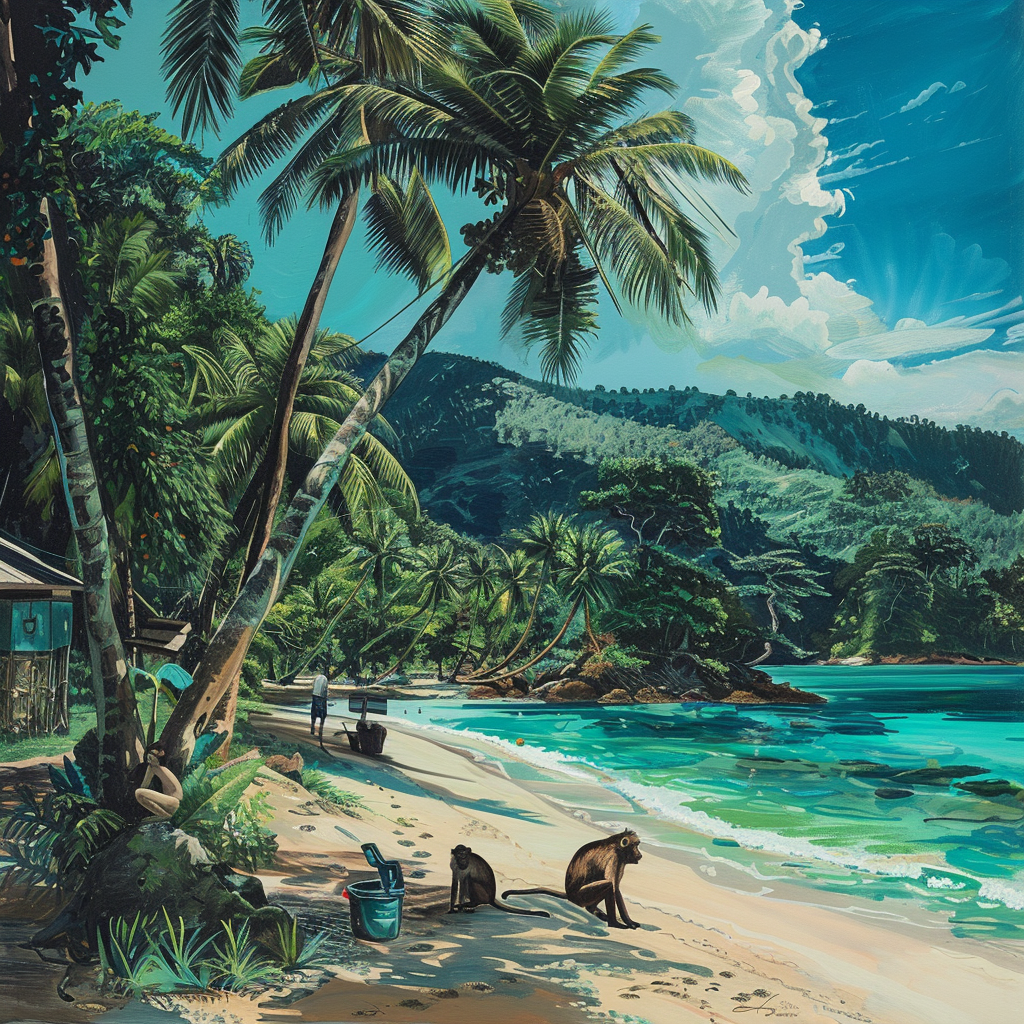
Imagine a tropical paradise where the sun kisses your skin, the ocean breeze whispers ancient secrets, and the sand is as soft as powdered sugar. This is Koh Chang, one of Thailand's most cherished destinations, nestled within the embrace of the Trat province. But wait, there's an unexpected twist! This idyllic setting is also the backdrop of a rather peculiar dilemma involving the island's furry inhabitants: macaques. These mischievous monkeys have become somewhat of local celebrities, albeit for reasons that have the island's officials scratching their heads.
The predicament unfolds on the scenic roadsides of Koh Chang, where macaques lounge casually on barriers, their curious eyes scanning the surroundings. Imagine them as tiny, furry outlaws of the jungle, each with a tale more intriguing than the last. Their burgeoning numbers, however, have transitioned from charming to concerning, bringing a unique challenge to the doorstep of park officials and islanders alike. Adorable? Absolutely. A headache-inducing conundrum? Undoubtedly.
Neramit Songsagne, the valiant chief of Mu Koh Chang National Park, finds himself at the heart of this monkey mayhem. On a sun-drenched Sunday, amid the serenity of his island office, Neramit unveiled two ambitious strategies poised to tame the tide of the marauding macaques. One path leads to a future where the macaques undergo sterilization, a bid to gently curb their burgeoning numbers. The alternative? A grand relocation scheme that would see these furry adventurers embarking on a journey to new sanctuaries on the mainland, where they can frolic freely without causing mischief. The park, eager to choose the best course of action, awaits sage advice from a comprehensive study by the Department of National Parks, Wildlife and Plant Conservation.
The exact census of these furry inhabitants remains shrouded in mystery, with estimates suggesting a population that runs into the thousands. Park archives are filled with tales of monkey antics: from startling encounters with tourists and locals to the more serious matters of property damage and health concerns, including the dreaded specter of rabies. The park, recognizing the gravity of the situation, has earmarked a handsome sum of 390,000 baht, a war chest dedicated to quelling the macaque quagmire.
Our tale takes another twist with the entrance of Sanya Kermanee, mayor of Tambon Koh Chang, who echoes the sentiment of his constituents: the monkeys, though an integral part of the island's charm, have overstepped their bounds. They raid orchards like bandits, sending shivers down the spines of hardworking fruit farmers. The mayor also points a finger at the park, which finds itself in a legal paradox, protecting its furry wards while juggling the rights and safety of the island's human residents.
In a curious turn of events, menacing macaques have not only captured the attention of Koh Chang but have cast their shadow over Lop Buri, capturing headlines with their unpredictable behavior. In a bid to bring peace to the realm, the Natural Resources and the Environment Ministry has unfurled a new regulation, a beacon of hope promising compensation to those brave souls who've endured a macaque encounter.
Despite the monkey melee, Koh Chang remains a jewel in Thailand's touristic crown, luring adventure-seekers and peace-lovers alike. The island continues to dance to the rhythm of the waves, under the watchful gaze of its most unpredictable inhabitants. As this saga unfolds, one thing is clear: Koh Chang offers not just a retreat into nature's embrace but a front-row seat to one of the most enchanting (and hair-raising) wildlife dramas on the planet.



Comment verification
Step 1 of 3
Verify your email once to publish your comment. Your email is never shown publicly.
Enter the 6-digit code sent to .
Choose the display name shown next to your comments.