Paetongtarn Shinawatra’s Premiership: Thailand's Next Political Shift Explained
Political dynamics are set for a seismic shift with Pheu Thai's nomination of Paetongtarn Shinawatra as the new Prime Minister. This move signals that Thaksin Shinawatra, the party's unofficial leader, is gearing up to…
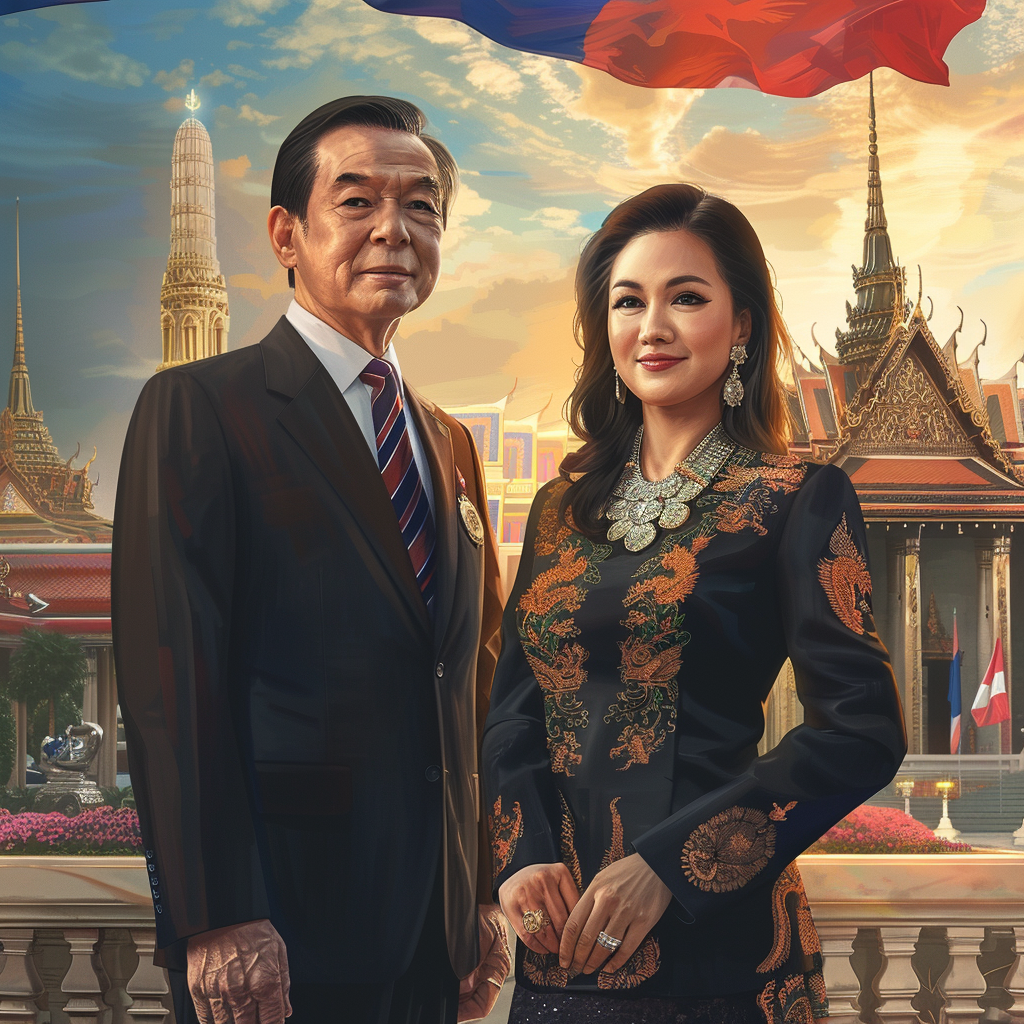

Political dynamics are set for a seismic shift with Pheu Thai's nomination of Paetongtarn Shinawatra as the new Prime Minister. This move signals that Thaksin Shinawatra, the party's unofficial leader, is gearing up to bolster the party’s support and counter the People's Party (PP), according to political analysts. Amidst skepticism regarding her political experience, the 37-year-old Paetongtarn secured substantial backing from the House of Representatives, succeeding Srettha Thavisin, who was ousted by the Constitutional Court.
Last year, Pheu Thai partnered with conservative factions to establish the government, branding itself a new conservative power that could rival the PP. This new incarnation of the progressive Move Forward Party was dissolved on August 7, setting the stage for intense political rivalry.
According to Stithorn Thananithichot, Director of the Office of Innovation for Democracy at King Prajadhipok's Institute, Paetongtarn's ascent underscores a conservative strategy to challenge the main opposition without relying on proxies. Initially, coalition key figures considered Chaikasem Nitisiri, a seasoned justice minister, for the top post. However, Pheu Thai's executive board opted for Paetongtarn.
Stithorn opines that this move is Pheu Thai’s last bid to regain voter support. Failure would necessitate a fresh strategy to oppose the PP. "This move must succeed. The government needs to tread cautiously, especially with legal pitfalls. It’d be prudent not to provoke the conservative camp," he emphasized.
With local elections on the horizon, the political atmosphere is expected to become electrifying. Paetongtarn is the third Shinawatra to hold the premiership after Thaksin and his sister Yingluck, with their brother-in-law Somchai Wongsawat briefly holding the post in 2008. "They need to counter PP's popularity and retain support from Ban Yai, or political families. Local elections will see a fierce contest between Pheu Thai, Bhumjaithai Party, and PP," Stithorn remarked.
A Chartthaipattana Party source commented that Paetongtarn is a "safe" choice, fitting for a time when the opposition is weak and reorganizing. The National Anti-Corruption Commission (NACC) is investigating 44 former MFP MPs who supported a bill to revise Section 112 of the Criminal Code, indicating that now is the opportune moment to act decisively.
With Paetongtarn in office, her advisor will be none other than the "former leader" – Thaksin. The source highlighted that pushing her into the premiership signifies a high-stakes struggle against the PP. Despite speculation, Bhumjaithai leader Anutin Charnvirakul is unlikely to assume the conservative camp’s leadership.
Adisorn Piengkes, a Pheu Thai list MP, stressed that both the government and opposition must reassess their strategies due to recent setbacks, including the disbandment of MFP and Srettha's removal from office just a week apart. Expressing confidence in Paetongtarn's potential, he asserted that she can navigate political challenges with counsel from her father and party veterans. He reiterated the party's commitment to their election promises, including revitalizing their popularity.
Regarding the party’s flagship digital wallet policy, he mentioned that the new government will make decisions, hoping it will be as impactful as the universal healthcare program.
The Thai Chamber of Commerce (TCC) lauded the swift nomination, anticipating that it would revive confidence. Chairman Sanan Angubolkul noted that leadership capability outweighs age, and emphasized the coalition government's collaborative approach to ensure stability. TCC outlined several priorities for the new government: maintaining the stability of the Thai baht, supporting the export sector, and boosting tourism to attract 36–37 million visitors by enhancing tourist sites, safety, and promoting investment in pilot provinces.
Further objectives include expanding new markets, accelerating fiscal disbursement, easing economic strains, and shielding local producers from cheap imports. Sanan urged continuity from Srettha’s policies to boost trade and foreign investment, advocating for a specific ministry to oversee policy implementation. Promoting the soft power agenda and enhancing labor skills to draw digital technology investments were also highlighted, alongside addressing high energy costs and modernizing outdated laws stifling investments.
Thailand's GDP growth, averaging around 2%, needs a medium to long-term strategy to boost this to at least 3–5%. The new government faces the challenge of harnessing Thailand’s full economic potential, and all eyes will be on Paetongtarn as she steers the nation through these transformative times.



Comment verification
Step 1 of 3
Verify your email once to publish your comment. Your email is never shown publicly.
Enter the 6-digit code sent to .
Choose the display name shown next to your comments.