Phumtham Wechayachai and Tawee Sodsong's Controversial Uyghur Family Visit in China: A Diplomatic Snapshot
On a bright March 20, amidst a flurry of media attention and political intrigue, two prominent figures from Thailand found themselves in the culturally rich and historically significant Xinjiang region of China. Deputy…
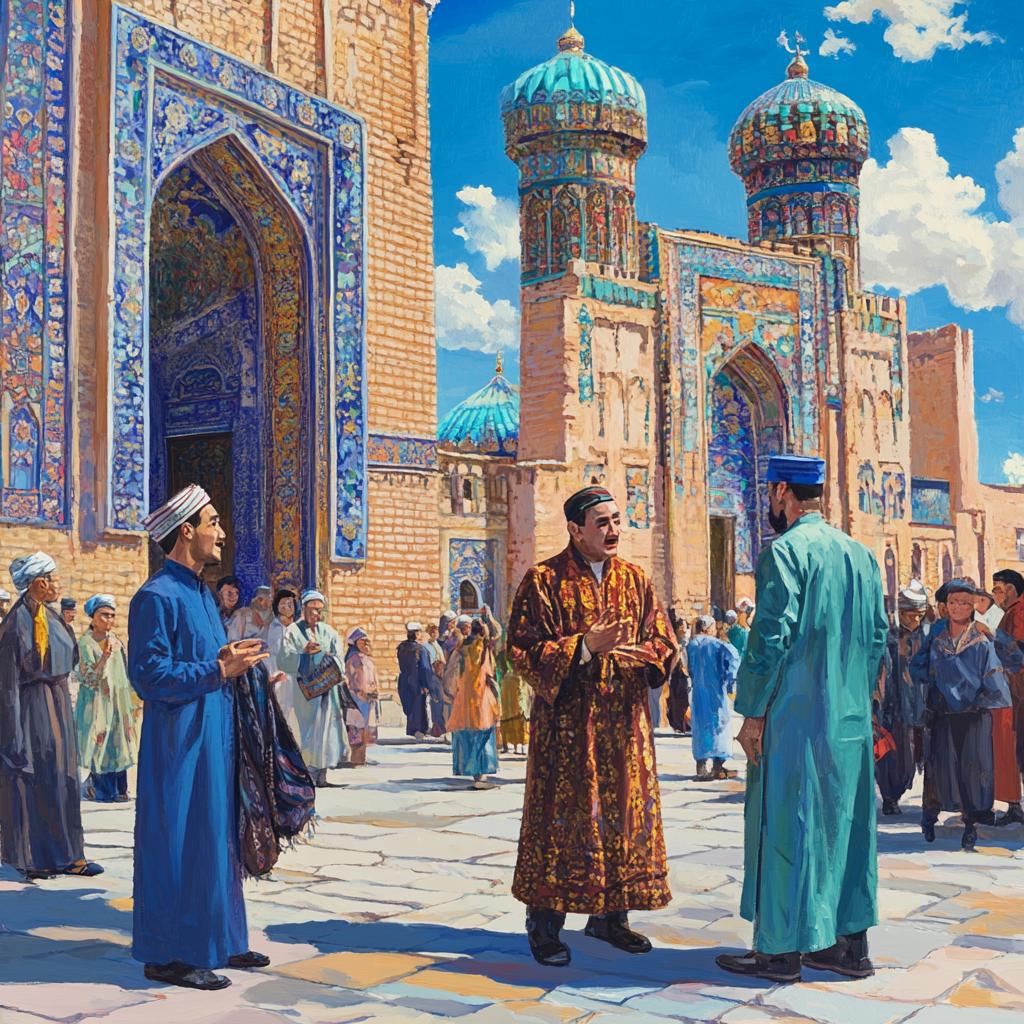
On a bright March 20, amidst a flurry of media attention and political intrigue, two prominent figures from Thailand found themselves in the culturally rich and historically significant Xinjiang region of China. Deputy Prime Minister Phumtham Wechayachai and Justice Minister Tawee Sodsong were on a mission—one that involved more heart than diplomacy, despite the usual trappings of a high-stakes international visit.
In a setting where ancient traditions meet modern dilemmas, Phumtham and Tawee were welcomed into the vibrant tapestry of Uyghur life with open arms—and, occasionally, teary eyes. The purpose? To check in on the Uyghur families who had been deported from Thailand the previous month.
The importance of this visit can't be overstated; it was more than just a check-box on a long list of diplomatic duties. Allegations had been swirling that the encounter was little more than an orchestrated photo-op, staged for international consumption like a well-directed play. But Phumtham was quick to dispel these rumors, asserting that the engagement was genuine and the participants entirely voluntary.
"These are not actors following a script," Phumtham insisted, recounting heartfelt moments and emotions that were as real as the ancient bricks of the Id Kah Mosque, where they were meeting. A sturdy hand grip from a Uyghur participant was all the assurance he needed—a silent language of emotions that eclipsed any need for words. "We saw it in their eyes, their gestures, the tone in their voices. These are not things you can fake," he emphasized, reminding skeptics that the true essence of human connection transcends mere verbal communication.
At the panorama of the centuries-old Id Kah Mosque in Kashgar, the delegation met with high-ranking spiritual leaders. These discussions held between the Thai officials and Uyghur community leaders weren't just cordial; they were, by all accounts, encouraging and hopeful. The Imam expressed confidence in the safety and improved circumstances of the repatriated Uyghurs under Chinese jurisdiction, and was genuinely delighted by Thai traditions, extending his curiosity into thoughts of a future visit to Thailand—a thought that appeared warmly entertained by Phumtham and his delegation.
Despite these assurances and glimpses of camaraderie, the mission wasn’t free of controversy. As was expected, whispers of dissent were louder than Beijing's assertions of human rights observance. After all, Western nations, including the United States, have scrutinized Thailand’s role in these deportations, going as far as imposing visa restrictions on unnamed officials.
For their part, the Thai delegation split their focus—one team venturing face-to-face, driving distances that varied from the bustling city atmospheres to more secluded rural vistas. Meanwhile, another team resorted to video technology to bridge geographical gaps in Xinjiang's expansive terrain—a digital window into lives hundreds of kilometers away, amidst dialogues with Islamic religious figures.
Despite the logistical ballet and high political stakes, there was a simple request from Chinese authorities: preserve privacy. Media representatives were to obscure the identities of the Uyghurs in any visual documentation—a modest compromise considering the level of public and official interest in the mission's outcomes.
Meanwhile, the ever-watchful eye of the international community remained critical, spotlighting accusations against China of systemic abuses against the Uyghur population—allegations fiercely denied by Beijing, which claims its initiatives are aimed at eradication of extremism and poverty alleviation initiatives.
Whatever the outcome or perception, the Thai delegation's visit to Xinjiang will stand as a snapshot in time—a mosaic of cultural diplomacy set against the backdrop of the region's rich history, complex politics, and human stories that transcend borders.



Comment verification
Step 1 of 3
Verify your email once to publish your comment. Your email is never shown publicly.
Enter the 6-digit code sent to .
Choose the display name shown next to your comments.