Phumtham Wechayachai's Strategic Push: Vigilant Thai Border Security Measures to Counter Transnational Crime
As the sun peeks over the horizon in Mae Sot district, Tak, whispers of a tightening grip on security weave through the air. With boots planted firmly on Thai soil near the tumultuous border with Myanmar, soldiers stand…
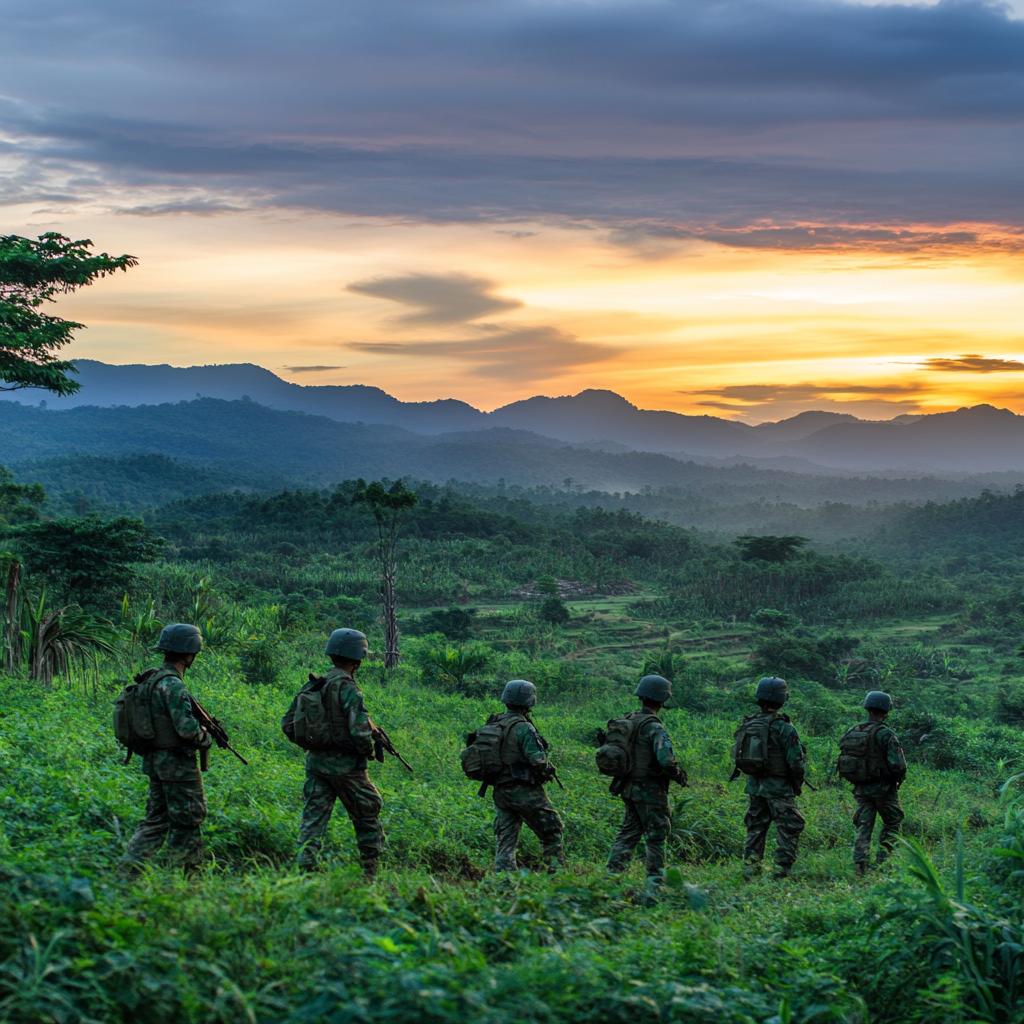
As the sun peeks over the horizon in Mae Sot district, Tak, whispers of a tightening grip on security weave through the air. With boots planted firmly on Thai soil near the tumultuous border with Myanmar, soldiers stand vigilant, guarding against the creeping shadow of transnational crime. The date is March 9, but the mood is timeless – a narrative of defense and resilience as old as borders themselves.
The atmosphere was charged with urgency as Defence Minister Phumtham Wechayachai, the chairperson of the National Security Council, navigated through the sea of updates and discussions at the second meeting of the committee on border security. Here, in this crucible of policy and strategy, the challenge was not merely to converse but to carve a robust bulwark against the insidious threat of cyber criminals, human traffickers, and other nefarious actors that skulk in the shadows of international boundaries.
As the committee meticulously reviewed the existing security architecture, it was clear that the halt on fuel exports, electrical supplies, and telecommunication signals to persistently problematic regions of Myanmar had left an indelible mark. These measures, while stringent, were deemed indispensable in smoking out criminal networks festering in remote corners.
From this strategic vantage point, the meeting took a pragmatic turn as discussions unfolded about forming a legal advisory cadre to bolster the efforts of the main committee. Specialized operation centers loomed large on the agenda, poised to zero in on illicit endeavors traversing land, sea, and sky, with drug trafficking as a central focus.
Mr. Phumtham’s resolve remained unyielding as he declared post-meeting that any reprieve in the restrictions imposed on electricity, internet, and fuel towards Myanmar was off the table. The fight against the sprawling tentacles of transnational crime demanded such rigor, he underscored, a testament to the persistence and evolving nature of the menace.
Even as the ripples of this resolve spread, call center scams in Myanmar’s Myawaddy found themselves on the move, sleuthing to settle in other havens across Cambodia and Vietnam. In an echo of regional camaraderie, Thailand has reached out across borders to allies in Cambodia and Laos, seeking a synchronized symphony of security efforts.
Amid plans soaked in foresight and caution, a proposal shone through to designate five districts in Tak province as special security zones. Each envelope of land bordering Myanmar would undergo a rigorous economic feasibility analysis, ensuring that security did not suffocate opportunity but instead cultivated a fertile ground for it.
Long-term solutions to vexing issues such as call center scams seemed elusive in the moment, yet Phumtham’s vision was one of collaboration. He propounded that the epicenter of such scams must lead a collective charge, an alliance of iron wills to dismantle the web of deceit that spun across borders.
As sands of time spill into what will be tomorrow’s challenge, the façade of stability is ever guarded by those entrusted with the mandate of security. It’s a dance not merely for survival, but for the sovereignty and safety of a nation and its people, on the frontline and beyond. Thus, as shadows lengthen at the close of day, the cost of vigilance becomes a quiet testament against the complexities of modern-day borders – ever tumultuous, yet fiercely defended.



Comment verification
Step 1 of 3
Verify your email once to publish your comment. Your email is never shown publicly.
Enter the 6-digit code sent to .
Choose the display name shown next to your comments.