Ruangkrai Leekitwattana Commands EC Investigation Into People's Party's Alleged Missteps
In a whirlwind of political maneuvering, activist Ruangkrai Leekitwattana has taken center stage yet again, this time setting his sights on the People's Party (PP). Ruangkrai has filed a petition with the Election…
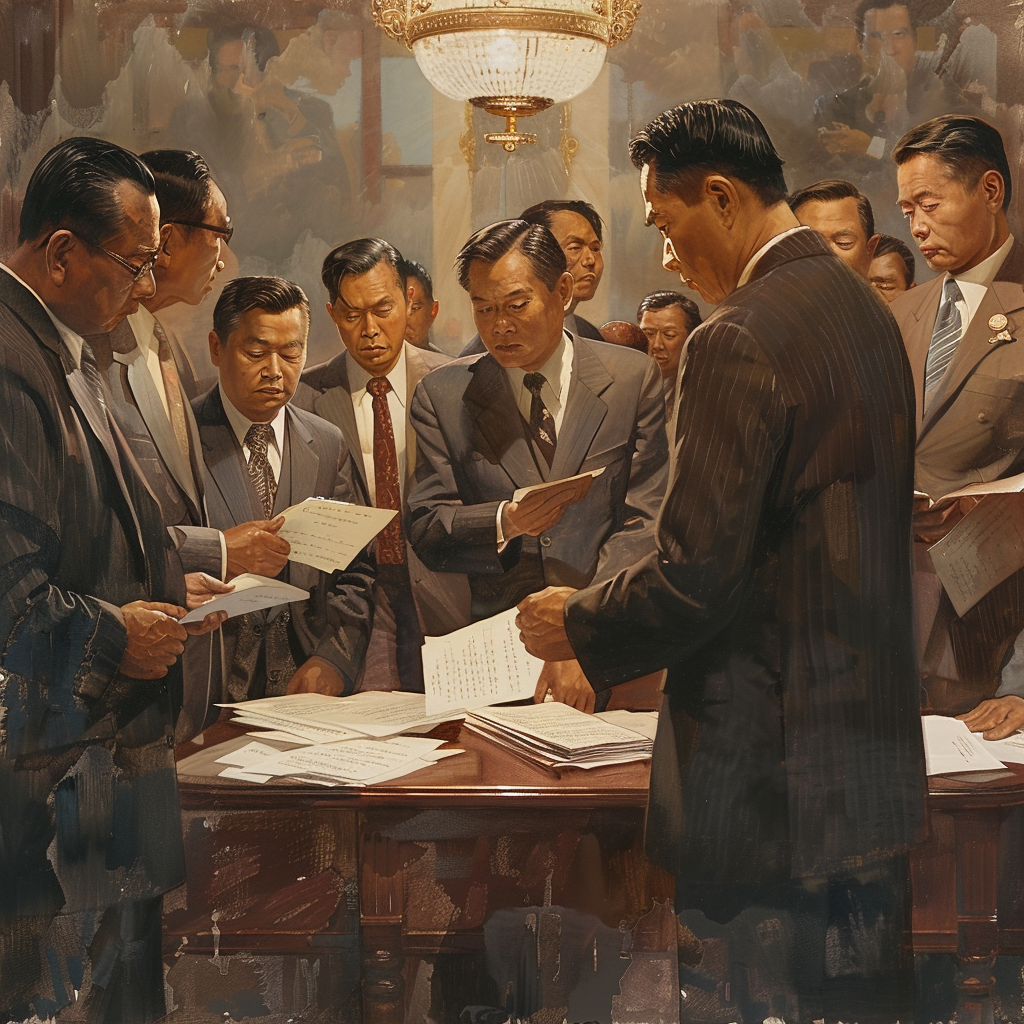
In a whirlwind of political maneuvering, activist Ruangkrai Leekitwattana has taken center stage yet again, this time setting his sights on the People's Party (PP). Ruangkrai has filed a petition with the Election Commission (EC) to investigate whether the PP, which rose from the ashes of the disbanded Move Forward Party (MFP), has veered away from adhering to crucial party regulations. Should these allegations hold water, the PP's August 9th appointment of party executives might be declared unlawful. Ruangkrai stated that he has already dispatched his petition to the EC through the mail.
Detailing the disputed appointments, the PP's extraordinary meeting on August 9 saw Natthaphong Ruengpanyawut assume the role of party leader, Chutima Kotchapan take on responsibilities as party treasurer, Natthawut Buapratum become the party registrar, and Phicharn Chaowapatanawong join the party's board, among others. However, a shadow of doubt looms over these new roles. According to Regulation No 52 of the Thin Kakao Chaovilai Party, the previous identity of the PP, meetings including the vital August 9 gathering should have been announced at least a week in advance. This regulation appears to have been overlooked, considering the MFP was dissolved just two days prior, on August 7.
As if the political intrigue couldn't get spicier, Arpath Sukhanunth, Secretary-General of the House, added more fuel to the fire. He revealed that he was questioned by the National Anti-Corruption Commission (NACC) last month regarding the now-defunct MFP's bill to amend Section 112 of the Criminal Code, known colloquially as the lese majeste law. The saga began when the MFP first submitted the bill on March 25, 2021. During the NACC questioning, Arpath elucidated that the bill never saw the light of day because it was perceived to be unconstitutional.
The contentious bill in question aimed to strike out Section 112 from the Criminal Code's Chapter 1, which covers national security, only to introduce a new chapter featuring two new sections. The first section dealt with offenses involving defaming or showing hostility towards the King, and the second addressed similar offenses against the Queen, other members of the royal family, and regents. However, despite its ambition, the push to reframe the legal landscape hit a wall.
Even after the bill's initial rejection, the MFP audaciously resubmitted it unchanged, setting the stage for a renewed review by the House's coordination committee. However, persistence didn't pay off this time around either. Upon thorough examination, the committee once again declared the bill unconstitutional, pointing out three additional reasons to justify its stance, effectively sealing the bill's fate with the governmental equivalent of an ironclad veto.



Comment verification
Step 1 of 3
Verify your email once to publish your comment. Your email is never shown publicly.
Enter the 6-digit code sent to .
Choose the display name shown next to your comments.