Somsak Thepsutin Delays 30 Baht Healthcare Pilot in Bangkok: New Cabinet Formation Awaits
Somsak Thepsutin arrived at Government House on August 13, framed by a mix of anticipation and uncertainty. The caretaker public health minister had some news to share but not the kind that everyone wanted to hear. The…
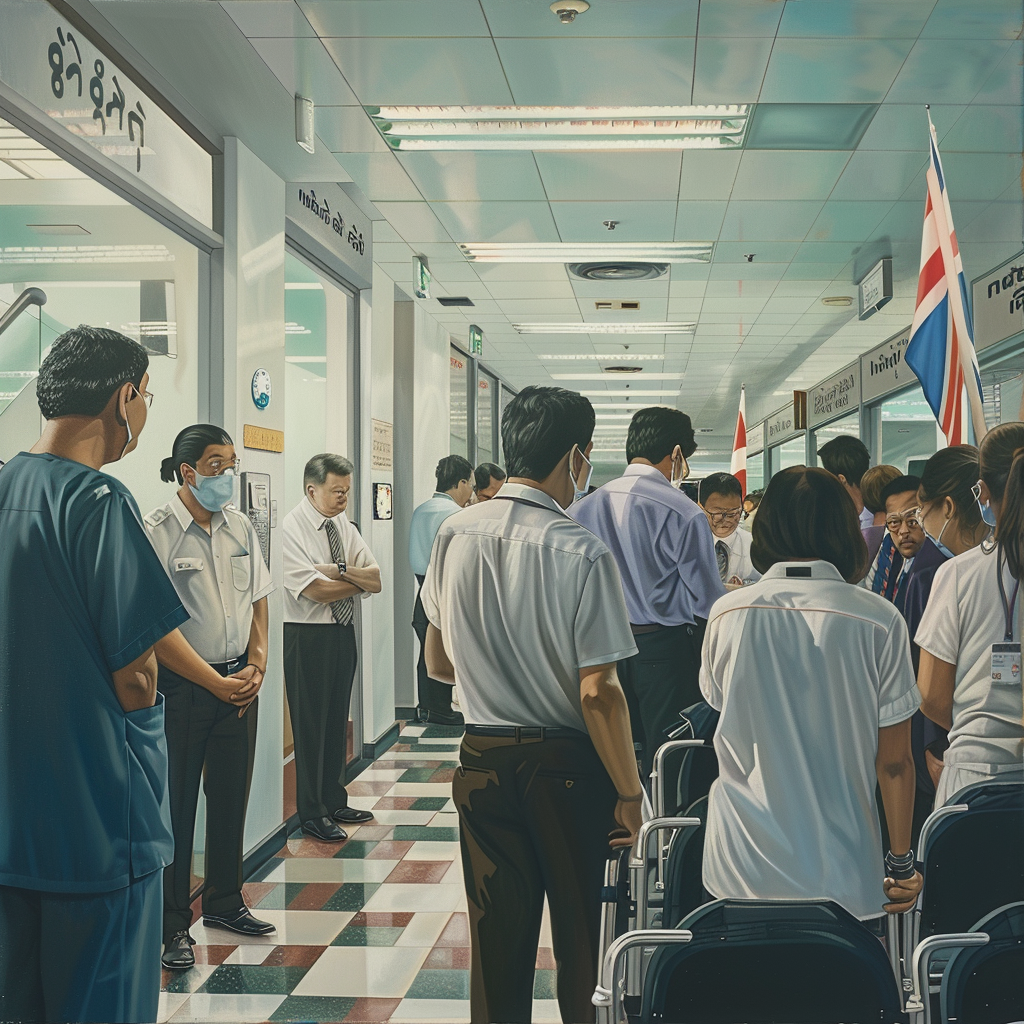
Somsak Thepsutin arrived at Government House on August 13, framed by a mix of anticipation and uncertainty. The caretaker public health minister had some news to share but not the kind that everyone wanted to hear. The eagerly awaited pilot project—offering medical care at hospitals all across Bangkok for just 30 baht—was going to have to wait. Yes, you heard that right, a full-blown pause button, pending the formation of the new cabinet. (Snapshot courtesy: Chanat Katanyu)
On a typical Wednesday, while people were busy planning their weekends or dreaming about the upcoming holiday, Somsak dropped this bombshell that grounded the high hopes of many Bangkok residents. This was supposed to be a part of Thailand's universal health coverage scheme (UHCS), also charmingly known as the "gold card," which made its debut back in 2002. The scheme's old way had people stuck to their assigned hospitals unless they needed specialized treatment. Imagine if Netflix insisted you only watch shows in one room of your house—frustrating much, right?
This bureaucratic tangle has been causing inconvenience for years, persuasion enough to make some ignore their health issues, especially if their registered hospital was far away, sometimes across provinces. Enter our hero, the pilot scheme. Its mission? To untangle these knots by syncing and sharing health data across various hospitals and clinics, making it easier for UHCS beneficiaries to access healthcare services anywhere they’d like. Picture finally being able to watch your favorite shows in any room, hassle-free—you get the drift.
All one needed to do was whip out an identification card at a designated health facility, and bam, you got healthcare. According to the repository of wisdom that is the Thai Ku Fah website, this ambitious project was not just a Bangkok exclusive—it had been rolled out in 46 other provinces, with Bangkok being the latest shiny gem in the crown. Initially set to kick off on Monday, this dream had to take a rain check.
During his Wednesday media briefing, Mr. Somsak made it clear that the postponement had nothing to do with unpreparedness. "We've got our ducks in a row," he emphasized, squashing any whispers about the groundwork being incomplete. The ministry had put the project through its paces on a trial basis and was ready to launch when the political script went off-book. “Despite the postponement, the government will push forward the project and see it through,” he reassured, hoping to keep spirits buoyant.
Over at the Thailand Consumer Council, Somchai Krajangsaeng, a stalwart on the health service sub-committee, underlined the criteria hospitals needed to meet before diving into this extraordinary service. Participating hospitals must flaunt the project logo proudly and there have been multiple brainstorming sessions to iron out financial logistics, ensuring these hospitals have enough funds to keep the programme afloat, especially in vibrant, bustling Bangkok.
Somchai emphasized the need for crystal-clear communication with the public. The aim? To prevent a mad rush to major hospitals like Siriraj, Vajira, and Phra Mongkutklao, along with university-affiliated giants capable of handling sophisticated procedures. With a hopeful flicker still alive, everyone’s just crossing their fingers, waiting for the new cabinet to give the green light. Until then, it's a waiting game that has everyone on edge but still dreaming of a seamless, health-covered future. The 30 baht miracle was tantalizingly close—just not quite there yet.



Comment verification
Step 1 of 3
Verify your email once to publish your comment. Your email is never shown publicly.
Enter the 6-digit code sent to .
Choose the display name shown next to your comments.