Songkran 2024 Amid COVID-19: Dr. Thongchai Reveals Surge in JN.1 Cases in Thailand
Imagine the streets of Bangkok awash with vibrant colors, laughter echoing through the air, and youngsters, their eyes glittering with mischief, brandishing water guns like modern-day warriors. This is not a scene from…
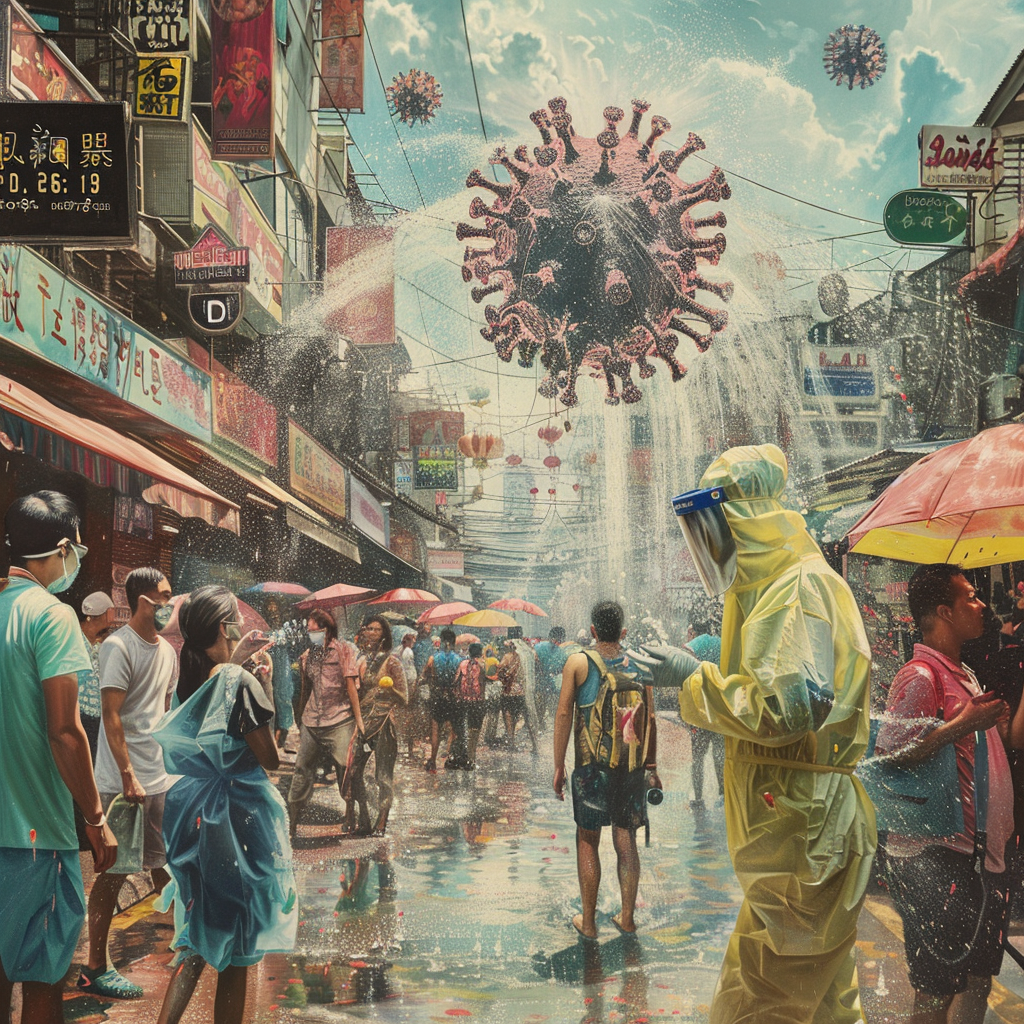
Imagine the streets of Bangkok awash with vibrant colors, laughter echoing through the air, and youngsters, their eyes glittering with mischief, brandishing water guns like modern-day warriors. This is not a scene from a fantasy novel; this was the reality at Samyan Mitrtown on April 15, 2024, amid the effervescent festivities of Songkran. The iconic Thai New Year celebration, known for its spirited water fights, brings joy and merriment, but this year, it was trailed by an unwelcome shadow - the specter of Covid-19, particularly the persistent JN.1 strain. (Photo: Varuth Hirunyatheb)
The Department of Disease Control (DDC) painted a sobering picture the Sunday following the holiday. Against the backdrop of exuberant celebrations, the number of Covid-19 cases had surged, a testament to the tenacity of the JN.1 strain amidst the nation’s collective effort to reclaim normalcy. DDC director-general, Dr. Thongchai Keeratihattayakorn, recounted the stark figures: 1,004 new cases over the week, translating to a daily average of 143 new battles in the ongoing war against this invisible enemy, claiming three lives in its wake. These weren’t anonymous numbers, but individuals who belonged to the "608 at-risk" group - our elderly and those living with chronic diseases, making the loss even more poignant.
With Songkran embodying the essence of union and shared joy through its many parties and gatherings, it’s ironic yet unsurprising that these celebrations became unwitting catalysts for the virus's spread. Dr. Thongchai peeled back the layers on this phenomenon, pointing to a crucial factor. The cases surged not solely due to the gatherings but because of the virus’s insidious nature. Patients, presenting symptoms so mild they mirrored a common flu, were none the wiser of their harboring a potentially deadly virus. This ignorance, born not of negligence but of the virus’s crafty mimicry, meant that many didn’t isolate, unwittingly becoming vectors for its spread.
The JN.1 subvariant, a shadowy offspring of Covid-19's Omicron variant, continues to dominate the Thai landscape. First detected in the country late last year, it’s a reminder of the pandemic’s lingering presence. Yet, according to Dr. Thongchai, citing insights from the Department of Medical Sciences, there’s a silver lining. The JN.1, despite its dominion, doesn’t herald severer symptoms than its predecessor, Omicron. Those touched by JN.1 find themselves in the throes of what might feel like an ordinary respiratory illness - fever, cough, sore throats, body aches, headaches, and that incessant runny nose. Yet, even these common symptoms are a clarion call to remain vigilant, to remember the power of our collective actions in the face of a microscopic foe.
In the aftermath of Songkran 2024, Bangkok’s streets may have dried, and life resumes its pace, but the echoes of laughter and the lessons remain. The juxtaposition of celebration and caution, joy and responsibility, marks another chapter in our shared history. As Thailand navigates the waters of this pandemic, armed with knowledge and resilience, the fight against Covid-19, against variants like JN.1, continues. We are reminded once again of the invisible threads that connect us all, for in our unity and awareness lies our greatest strength.



Comment verification
Step 1 of 3
Verify your email once to publish your comment. Your email is never shown publicly.
Enter the 6-digit code sent to .
Choose the display name shown next to your comments.