Suriya Jungrungreangkit Tackles Rama II Road Nighttime Saga: Balancing Tradition, Safety, and a 1.59 Billion Baht Lifeline
In the bustling heart of Thailand, a tale of nocturnal construction endeavors unfolds, blending the mundane world of road expansion with the unexpected twists of night-time drama. The stage is set along the Rama II…
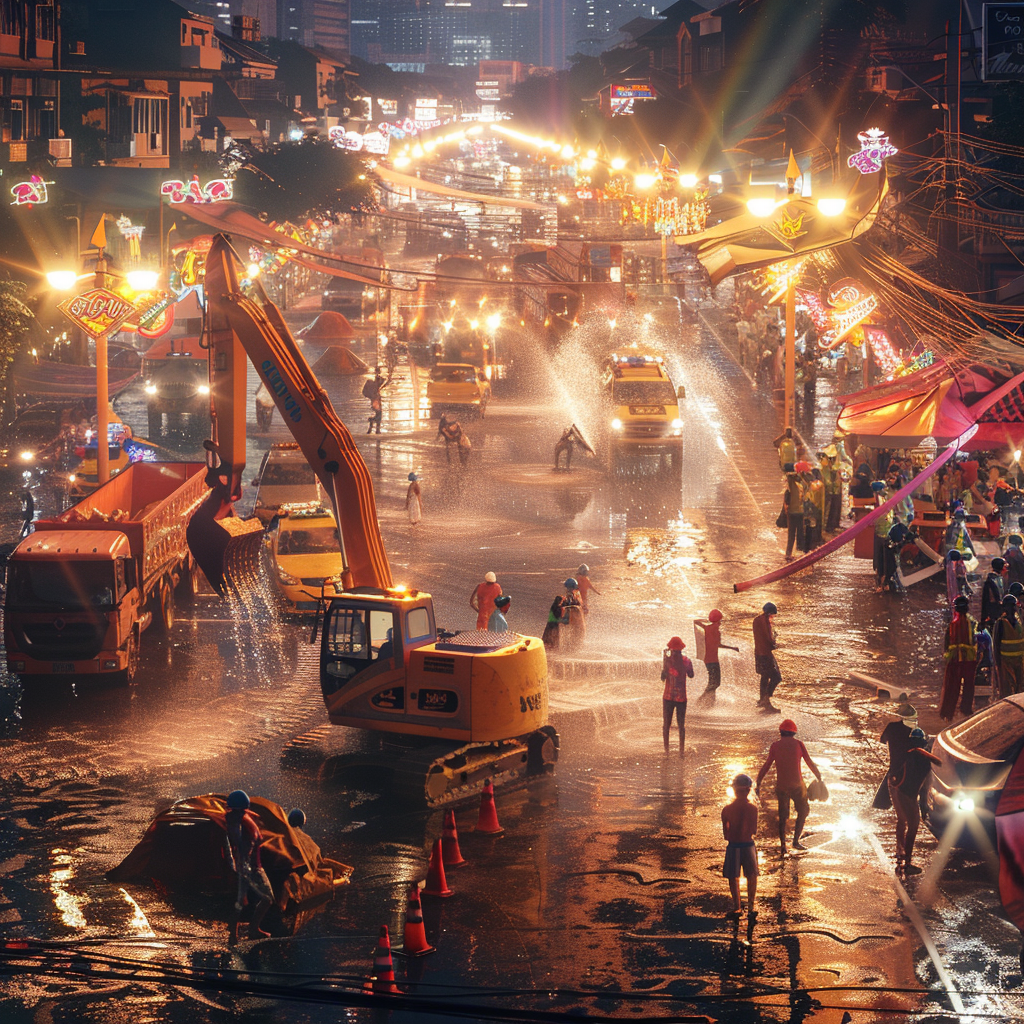
In the bustling heart of Thailand, a tale of nocturnal construction endeavors unfolds, blending the mundane world of road expansion with the unexpected twists of night-time drama. The stage is set along the Rama II Road, a thoroughfare vital to the rhythm of daily commutes, now the protagonist in a saga of unforeseen expenses and governmental largesse. At the helm of this narrative is the Transport Minister, Suriya Jungrungreangkit, a figure who brings to light the government's decision to extend a financial olive branch—an impressive sum of no less than 1.59 billion baht—to the harried contractors embroiled in the Rama II Road expansion project.
Originally, the project was a race against time, slated to pierce the ribbon at its completion in June. Yet, like all great tales, a twist awaited. The Highways Department, in a move prioritizing the safety of the everyday motorist over the ticking clock, decreed that contractors were to shun the sun. Their tools would sing and machines rumble only under the cloak of night, from 9 PM to the pre-dawn hours of 5 AM. This nocturnal decree arose from the shadows of accidents, specters that haunted the project, prompting the reduction in working hours.
Amid the night's embrace, the contractors found themselves in a quagmire. The moonlit hours were theirs to work, yet this boon came at a cost—literally. With the moon as their only constant companion, their expenses ballooned, leaving their finances gasping for air. The midnight oil they burned cost more than daylight’s gold, leading to a liquidity crunch that seemed insurmountable until the government's intervention.
Yet, as the saga unfolds, a pause was decreed—April's embrace brought a halt to the nocturnal ballet of construction. From next Thursday till April 17, a cease in operations was ordered. The reason? A grand Thai tradition—Songkran. The roads would clear, machinery would retreat, all to make way for a flood of celebrants, journeying via Rama II Road, immersed in the festivities of the Thai New Year. This, Suriya explained, was necessary, a homage to tradition and community spirit amid the rhythms of progress and construction.
In a further twist, a decree from the highway police danced into the narrative. A 38-kilometre section of Rama II was declared a no-go zone for lorries on specific days in April, a silent stage set between the 15th and 53rd-kilometer markers. This was not merely a ban but a ballet, ensuring the road remained a conduit for joy and celebration during Songkran. Heavy vehicle drivers were not banished but asked to pirouette to the left-most lane, a slow dance for slow-moving vehicles, a gesture of cooperation and unity in the face of festive tides.
Thus, the Rama II Road saga wends its way through the tapestry of Thai life, a blend of progress and tradition, of night-time endeavors and daytime festivities. It's a reminder that roads are not just about asphalt and destinations, but journeys and the stories that unfold along the way. As for the contractors and government, a lesson in the nocturnal ballet of infrastructure, finance, and the human spirit, gracefully dancing to the inevitable extensions and expenses, yet always moving forward.



Comment verification
Step 1 of 3
Verify your email once to publish your comment. Your email is never shown publicly.
Enter the 6-digit code sent to .
Choose the display name shown next to your comments.