Thai Journalists Association and National Union of Journalists Demand Press Freedom Enhancements on World Press Freedom Day
On a day brimming with significance and a dash of defiance, two bastions of media advocacy, the Thai Journalists Association (TJA) and the National Union of Journalists (NUJ), stood united in a clarion call to the…
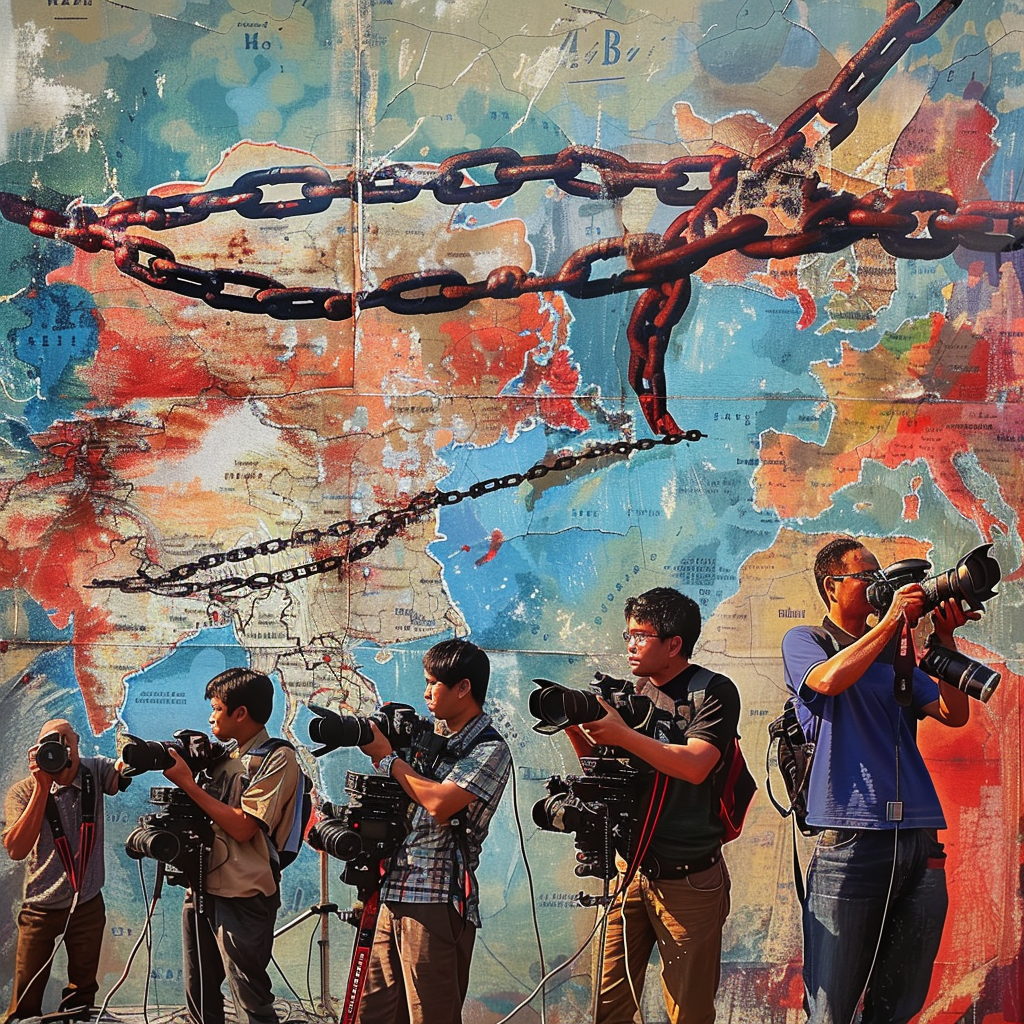
On a day brimming with significance and a dash of defiance, two bastions of media advocacy, the Thai Journalists Association (TJA) and the National Union of Journalists (NUJ), stood united in a clarion call to the government. Their agenda? A fervent plea for the guardians of governance to embrace and champion the cause of press freedom, aligning their actions with the spirited essence of the UN's World Press Freedom Day. The air was charged with anticipation as they laid down a quartet of demands, each echoing the innate yearning for transparency, support, and respect for the collective voice.
In their first volley, the TJA and NUJ didn't just ask but urged the powers that be to fortify the bastions of press freedom. Their appeal? Make the labyrinth of state agency data not just accessible but navigable with the swiftness of a hawk, especially when the probing eyes of the media seek to unveil the curtains on government initiatives. The subtext was clear - let criticism flow like a river, unbridled, and unblocked, nurturing the landscape of public discourse with its refreshing honesty.
The second note struck a chord of solidarity with the media fraternity, currently ensnared in the twin vices of economic downturns and the dread of layoffs. Here, the TJA and NUJ played the role of the valiant knight, beseeching the government to extend a lifeline, a beacon of hope in these tumultuous times.
Their third plea was a testament to the power of the word and the right of the common man to wield it without fear. The government was urged to uphold the sanctity of nonviolent protests, ensuring that the voice of the populace remains untethered, free from the shadows of intimidation or legal skirmishes.
In their closing request, the echo of professionalism reverberated through the halls of media organizations, a call to arms for ethical journalism, untainted by bias, and unwavering in its quest for truth.
Amidst this clarion call for freedom and fairness, Spencer Anderson, the deputy spokesperson from the US Embassy in Bangkok, threw a spotlight on the indispensable role of a free and unshackled press. His words danced on the fine line between a reminder and a revelation, highlighting how a liberated press is not just Thailand’s treasure but a global beacon that shapes societies, nurtures democracy, and is a stalwart defender of human rights. In an age where the boundary between truth and illusion often blurs, Anderson's insight into the press as the vanguard of verified facts and accountability was both timely and timeless.
As we stood on the threshold of World Press Freedom Day, proclaimed by Unesco to fall on May 3rd, the message was clear and carried the weight of undeniable truth. It served as a beacon, urging governments and society at large to not just acknowledge but actively champion the cause of press freedom and expression. On this day, as the globe spun on, the commitment to ensuring the press remains free, independent, and robust was not just commemorated but was reignited with a renewed fervor, echoing through the corridors of power and the streets alike, a timeless reminder of the indomitable spirit of free expression.



Comment verification
Step 1 of 3
Verify your email once to publish your comment. Your email is never shown publicly.
Enter the 6-digit code sent to .
Choose the display name shown next to your comments.