Thai Senate to form NACC vetting panel Monday
Senate President Mongkol Surasajja has called a 30 November sitting to form a committee that will vet NACC nominee Kiattiphum Saengsasithorn.
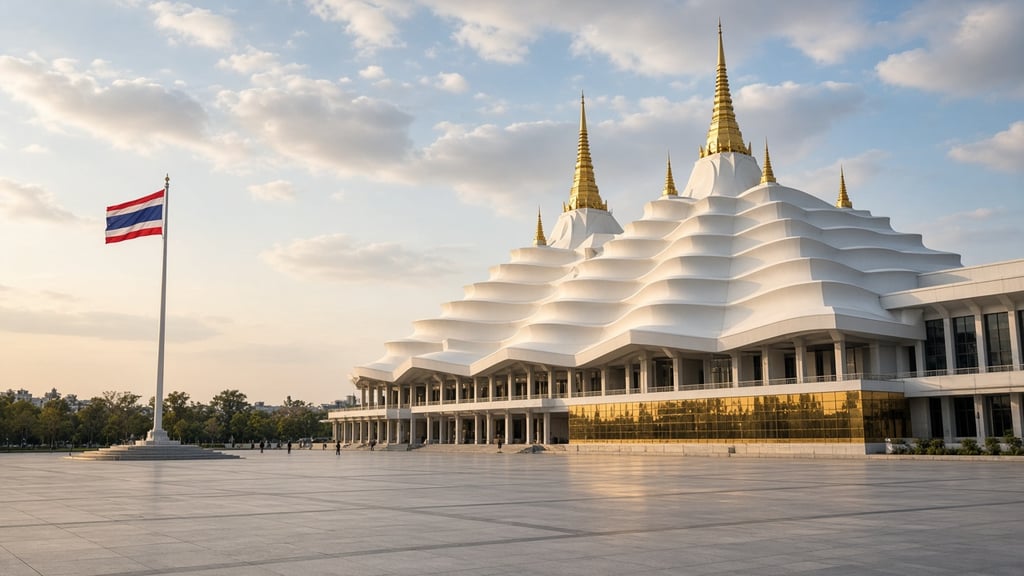
Senate President Mongkol Surasajja has called senators to Sappaya-Sapasathan on 30 November to form a standing committee that will examine the background, conduct, and ethics of the judge selected to fill a vacant seat on Thailand's National Anti-Corruption Commission.
The sitting is a gatekeeping step, not a confirmation vote. Chamber rules require the Senate to appoint a panel of up to 15 members before it can decide whether Kiattiphum Saengsasithorn, a sitting judge of the Supreme Administrative Court, should join the nine-member graft watchdog known in Thai as the NACC.
The vacancy belongs to Prapat Kong-iat, the NACC commissioner who died on 4 August 2026 after weeks in hospital. A former Treasury Department director-general, he had held the seat only since January 2025. The commission is built for nine members and has been working short of that complement since his death.
How the nominee cleared the first hurdle
A nine-person selection committee chaired by Supreme Court President Weerapong Sudawong interviewed remaining candidates on 13 November and forwarded its report to the Senate President on 20 November. Seven people applied. Five passed the statutory screen. Two then stepped aside before the interview, including a former Region 2 police commander and a licensed auditor who was abroad.
That left three names. Kiattiphum cleared the two-thirds bar on a single ballot, taking six of nine votes. Thanarat Thangthong, chief judge of the Central Criminal Court for Corruption and Misconduct Cases, received two. Prakong Tekchat, a Supreme Court justice, received one, from the selection chair. House Speaker Sophon Zaram and Supreme Administrative Court President Prasitsak Meelap were among the six. Opposition leader Natthaphong Ruengpanyawut voted for Thanarat.
Kiattiphum previously served as chief judge of the Nakhon Ratchasima Administrative Court. He completed a Thammasat University master's degree in 1990 on how Thai courts set criminal sentences, and later a doctorate. In 2017-2019 he publicly challenged a stalled contest to appoint a secretary-general of the Office of the Administrative Courts.
What Monday's sitting can and cannot do
Senate Rule 105 is the immediate playbook. Once the chamber creates the standing committee, the committee has 60 days to finish, with one optional 30-day extension unless a specific statute sets a shorter clock. The panel may call for documents, summon witnesses, and invite the nominee to answer questions. If damaging material is still unresolved, the nominee must be given a chance to reply before the report returns to the floor.
Only after that report lands does the full Senate vote. Section 14 of the Organic Act on Anti-Corruption B.E. 2561 (2018) says at least half of all sitting senators must vote to approve. A rejected name cannot be sent back. The Senate President then countersigns the royal command under Constitution Section 232. Monday's urgent agenda is the committee's creation. The selection report, including interview notes, will sit in the file as that work begins.
A watchdog screened by a chamber under investigation
The NACC can inquire into unusual wealth, malfeasance, and serious ethics breaches by politicians, judges, and independent-agency officeholders. Senators themselves fall inside that universe. So do the officials who run immigration, land, and police files that shape daily life for foreigners.
The 2024 Senate contest is still in court. In September 2026 the Election Commission referred 26 sitting senators among 77 people sent to court on introduction and benefit-taking counts, while declining to charge party executives on related assistance allegations. A parallel Department of Special Investigation money-laundering file continues. iLaw's Blue Senator dossier, which tied a large bloc of the 2024 winners to Bhumjaithai networks, is the backdrop every confirmation now walks into.
The chamber has already shown it will not pause this pipeline. In May 2025 senator Thewarit Maneechai moved to delay similar background committees until collusion cases were judged. Of 175 senators present, a May 2025 motion to pause similar confirmation work failed 125 to 37, with 12 abstentions.
Interview notes released with the selection report add a second flashpoint. Natthaphong asked whether the NACC's serious-ethics jurisdiction would cover 44 members of the House accused over a bid to amend Penal Code Section 112. Kiattiphum told the panel he had not studied that file in detail and that any later finding would have to rest on the statute, the facts, and related court rulings. On public trust, he argued the commission should work quickly, stay inside the law, and move faster on government procurement cases if whistleblowers supply leads.
What This Means for Expats and Travelers in Thailand
Foreign residents rarely sit in the Senate gallery. They do live with the downstream effects of who occupies the NACC. The commission is the forum for asset declarations by political officeholders, for high-level procurement fraud, and for complaints that police, land, or local officials abused power. Visa-agency scams, illegal land-holding structures, and large public-works contracts all sit in the same enforcement weather system.
A fully staffed NACC can, in theory, move faster on those files. A confirmation the public reads as a rubber stamp can do the opposite. Monday only starts the clock. If the Senate rejects the name, the selection committee must start again, and Kiattiphum cannot be resubmitted. If it approves him, the NACC moves one seat closer to a full bench, still operating under a Senate whose own election is on trial.

No comments yet. Be the first to join the conversation.