Thailand's Battle for Land Management: Balancing Conservation and Allocation in 2025
Thailand has long been at the forefront of squaring off with the formidable challenge of landlessness, a gripping concern for successive governments over the decades. Tackling this issue isn't just a walk in the park—it…
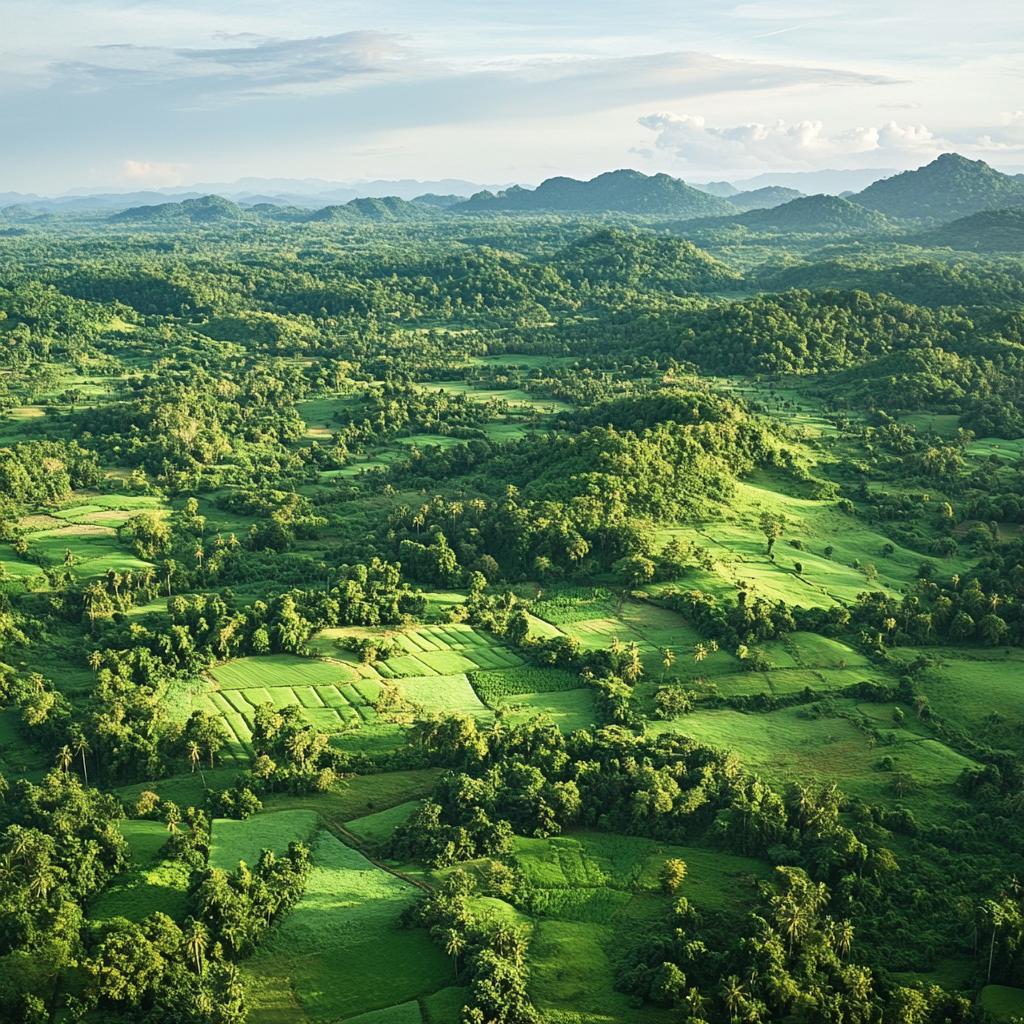
Thailand has long been at the forefront of squaring off with the formidable challenge of landlessness, a gripping concern for successive governments over the decades. Tackling this issue isn't just a walk in the park—it involves an experimental blend of land allocation strategies, delicate environmental stewardship, and minding the finer details of who gets what land. The attempt to divvy up forest land, especially to those in dire need, all while tiptoeing around conservation concerns, has been akin to walking a fine line.
Back in the swinging '70s, a band of industrious farmers were all about advocating for democratic vibes under the watchful eye of a military regime. Their cries didn’t go unheard, as 1975 saw the unveiling of the Agricultural Land Reform Act—a legislative beacon of hope that promised land for the less fortunate agricultural titans. Forest lands spanning millions of rai were handed out like hotcakes, but alas, old habits die hard. Illegal land transfers have turned land allocation into a game of musical chairs, with lands jumping from one unsuspecting party to another and as a consequence, our forest-covered earthy hideaways shrinking more than a wool sweater in a hot wash.
Enter the National Land Policy Committee (NLPC) in 2021. Just like a plot twist in a climactic drama, this administration-backed entity, helmed by the enigmatic Rawiwan Phuridej, sought to show some teeth by addressing the nagging thorn of unauthorized land transfers. The NLPC's trump card? A shift towards a community-based ownership model designed to ensure that land rights are as collective as a group hug. No man (or woman) would solely own land under this scheme. Local administrative wizards were tasked with crafting lists of eligible land-recipients, effectively nipping potential illegal sales in the bud—or so they thought.
Fast-forward to the present day, and it seems some wrinkles are yet to be ironed out. The sound of alarm bells rings clear as instances of land circle-jerking have surfaced—143 rai in Chachoengsao and another worrisome 46 rai in Chanthaburi have been shuffled under-the-table. If a nationwide magnifying glass were to hover over these dealings, there’d likely be uncoverings all over the place. For these underhanded sellers, social media platforms have become their stylish neon-lit bazaars where frictionless, unauthorized sales breeze past unnoticed.
Cue the stern yet soothing voice of Rawiwan Phuridej. Although specifics have remained as mysterious as a cryptic crossword, rest assured, she has mentioned landing the hammer of justice on those rogue transactions. The most delightful twist? A tech-savvy twist with "Platform Sphere", a swanky system whipped up to track agricultural pioneering through the magic of satellite-based geolocation. However, it seems its full potential is yet to be realized with forest lands.
The allocation rap sheet boasts mind-boggling numbers—4.1 million rai are safeguarded by the NLPC, with a decent chunk doled out already. The Department of Royal Forests, with its own stash and oversight, promises a juicy addition of more potential land for the taking. Toss in another few mil' from their pals in the Department of Marine and Coastal Resources, and you’ve got a recipe fit for a land feast.
Ironically, all these earnest distributions could backfire without robust enforcement. Marketplaces have been thriving, where the enticing melody of a few million baht per rai dances upon the lips of eager buyers. And no, even the National Land Policy stamp of approval doesn't shield against fraudulent antics vying for a slice of the pie.
In this critical moment, Thailand stands on the precipice of decision. Unchecked, forest mismanagement will persist, and the tropics may find themselves thinning like the hairs on my father's head. What is desperately needed is a collective effort—a groundswell comprising government bodies, passionate locals, and environmental knights on their metaphorical steeds. There's no room for complacency, Thailand must strike while the iron's hot—clamping down with full vigor, stamping out illegal transgressions, and wrapping precious forest lands in a quilt of protection for the dreamers of tomorrow.



Comment verification
Step 1 of 3
Verify your email once to publish your comment. Your email is never shown publicly.
Enter the 6-digit code sent to .
Choose the display name shown next to your comments.