Thaksin Shinawatra's Medical Controversy: NSPRT Demands Clarity and Accountability
The intricate and often tumultuous landscape of Thai politics has been stirred once again, with recent developments involving former Prime Minister Thaksin Shinawatra. In the political tapestry of Thailand, the Network…
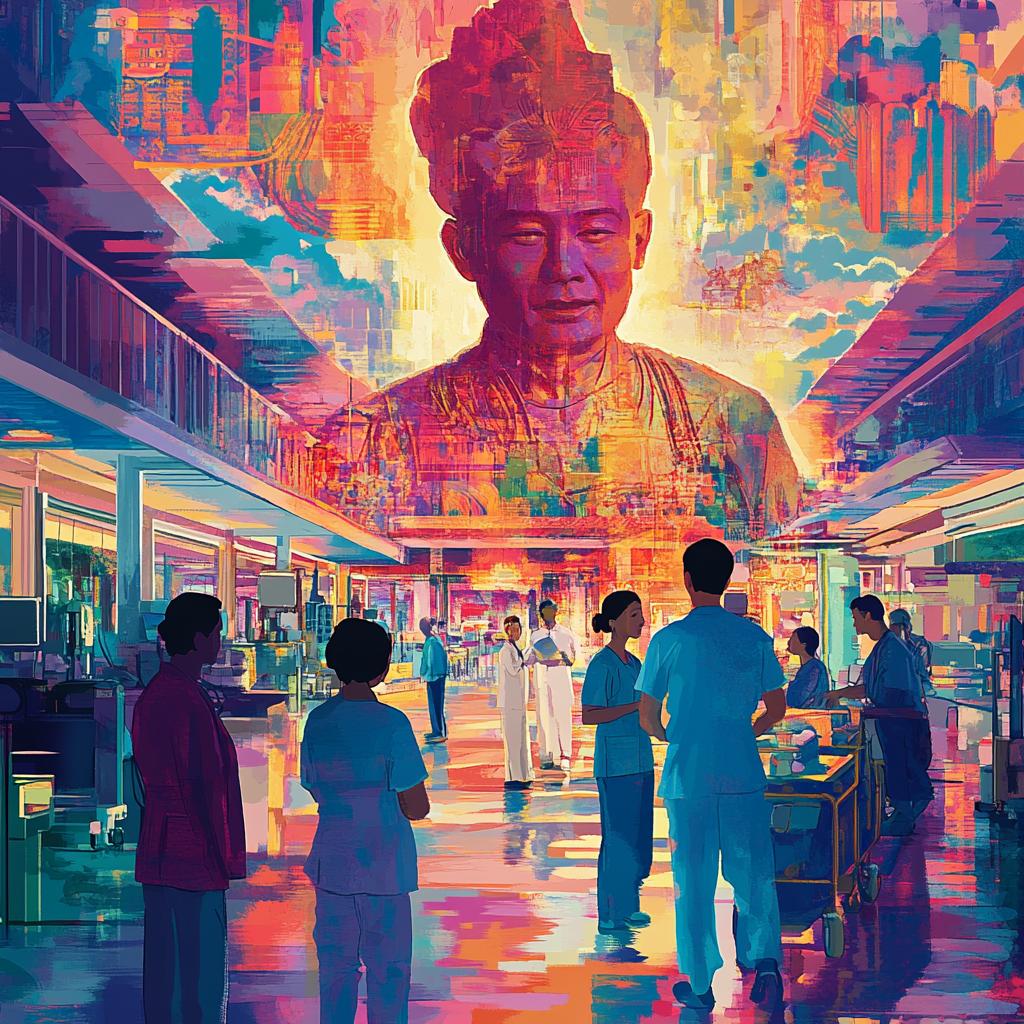
The intricate and often tumultuous landscape of Thai politics has been stirred once again, with recent developments involving former Prime Minister Thaksin Shinawatra. In the political tapestry of Thailand, the Network of Students and People for Reform of Thailand (NSPRT), together with the steadfast Dharma Army, has sounded the clarion call, urging the Medical Council to untangle the web of ethical and medical conundrums surrounding Thaksin's treatment at Police General Hospital (PGH) during his stint behind bars.
Pichit Chaimongkol, the resolute leader of NSPRT, has raised a clarion voice, championing for expedited truth from the Medical Council regarding Thaksin's health revelations and the nature of his treatment. With conviction, Mr. Pichit argued that medical mysteries are not riddles shrouded in indecipherable codes; they are accompanied by tangible, scientific evidence, crying out for elucidation without unnecessary delay.
To add a spice of depth to the ongoing political drama, Mr. Pichit has beckoned Thaksin himself to take the stage and offer his own testimony. In Pichit's world, such testimony is the missing piece that would paint a complete picture, ensuring all involved parties have their roles cataloged in this unfolding saga.
The song and dance surrounding the Medical Council's delay in addressing the matter—initially set for April 10—have not gone unnoticed. Mr. Pichit, with the sharpness of a hawk, has criticized the reasons for this postponement, observing that the submission of further documents from PGH and the Medical Correctional Institution may be a thinly-veiled stratagem employed to stretch proceedings into the future.
The crux of the debate swirls around several pivotal questions posed by Mr. Pichit—was Thaksin truly in a condition so critical that it warranted emergency declarations? Queries linger about the Medical Correctional Institution's diagnosis and Thaksin's subsequent qualification for an exceptional parole under medical claims. Such claims, among others, depicted a former premier allegedly incapable of basic self-care, such as dressing himself—an axiomatic symbol of vulnerability.
However, Mr. Pichit's eagle eyes highlight a discordance between Thaksin’s current public image and the portrayal of a man in a dire medical predicament. The theatrical drama unfurls further when Mr. Pichit elaborates on this dichotomy: one's incapability necessitates evaluation over an arc of time, not as an ephemeral day-long condition. The former PM’s public appearances, replete with vigor, appear incongruent with the fragile state previously trumpeted.
In this unfolding chronicle, the big question looms—what will be NSPRT's stance when the Medical Council finally drops the gavel on its final decision? Mr. Pichit, envisioning the voice of the people, muses that the public will embrace any finding that bears the seal of scientific authenticity.
As the political intrigue thickens, all eyes are on how this high-stakes story will evolve. After all, in the vibrant theater of Thai politics, where power plays and rhetoric waltz in an endless dance, one can only expect the unexpected.



Comment verification
Step 1 of 3
Verify your email once to publish your comment. Your email is never shown publicly.
Enter the 6-digit code sent to .
Choose the display name shown next to your comments.