Thaksin Shinawatra's Return Shakes Up Thailand's Political Landscape: Challenges and Allies
Thaksin Shinawatra’s storied past seems to be catching up with him, and as his legal troubles resurface, the ramifications could profoundly impact Thailand's conservative-bloc parties. The former premier, who once fled…
Thaksin Shinawatra’s storied past seems to be catching up with him, and as his legal troubles resurface, the ramifications could profoundly impact Thailand's conservative-bloc parties. The former premier, who once fled overseas to avoid a conviction over the Ratchadaphisek land deal, is now back in the limelight. Despite securing parole and what many saw as preferential treatment — including an immediate transfer to the Police General Hospital rather than serving time behind bars — he still faces new indictments. The timing of these legal affairs couldn't be worse for the ruling Pheu Thai Party, whose influence over national politics Thaksin still appears to wield from the shadows.
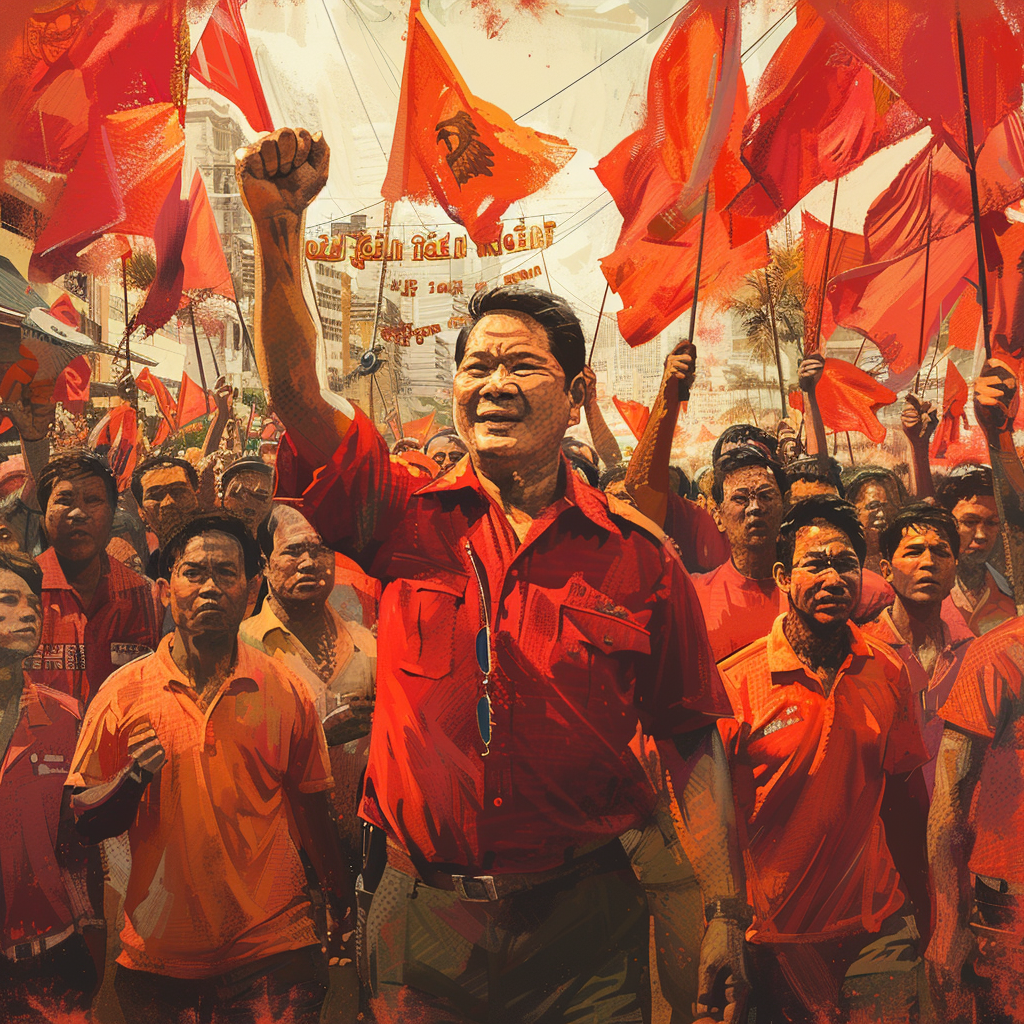
Thaksin returned to Thailand last August to serve a drastically reduced sentence — eight years cut to one, thanks to a royal pardon. However, his active political presence raises eyebrows, with critics suggesting that, despite formal imprisonment, he remains politically untouchable and continues to rally his base. Rumblings from his tours across the country suggest a campaign to consolidate red-shirt strongholds, which have historically backed Pheu Thai. But times have changed, and not all red shirts are still in his corner.
Thaksin’s political journey has seen more reincarnations than a soap opera character. The Thai Rak Thai Party he once led metamorphosed into the People's Power Party before ultimately becoming Pheu Thai. Despite his claims of non-involvement, few believe he has let go of the reins completely. His attempts to steer Pheu Thai’s ship towards political dominance face a new obstacle: the "orange" movement, or the Move Forward Party (MFP). Riding on a wave of youthful exuberance and reformist zeal, the MFP has pulled many red shirts into its fold, proving itself a formidable opponent in last year’s election.
Rebuilding Pheu Thai's support base seems a daunting task. According to political analysts, Thaksin's return isn’t just about regaining lost ground from MFP but managing alliances within their coalitions. Even though Pheu Thai has formed a pragmatic alliance with conservative parties like Palang Pracharath and United Thai Nation, such unions are tenuous at best, likened to a "temporary ceasefire" rather than a lasting peace treaty.
Just recently, at a public event in Pathum Thani, Thaksin dropped a bombshell, alleging that charges against him were a witch hunt orchestrated by powerful figures — a remark that likely inflamed Palang Pracharath feathers. This accusation has deep roots, dating back to a lese majeste charge over comments he made to South Korean media in 2015. Although some dismiss these claims as political hyperbole, the tension they ignite within the coalition is palpable.
The complexities don't stop at the coalition dynamics. The Senate’s structure and alleged manipulation put further strain on the political landscape. Reports suggest that political parties, including the coalition’s Bhumjaithai Party, have maneuvered strategically to secure senate seats. This maneuvering could not have been done without substantial effort and foresight into placing allied candidates in key positions, turning the Senate into a chessboard where pawns are of paramount importance.
Bhumjaithai came out as a big winner in the Senate race, securing a considerable share of the chamber’s seats. Known as the party of public health and local administrators, it seems they're likely to leverage these networks to their advantage. Quite conversely, the opposition Move Forward Party (MFP) was less successful, underestimated organizational strategy, and overestimated public sentiment, leading to fewer seats than expected.
The same goes for Pheu Thai, whose hopes were dashed when prominent figures like former prime minister Somchai Wongsawat failed to gain traction. With fewer "red faction" senators, Pheu Thai faces an uphill battle to control or significantly influence the Senate.
Experts like Stithorn Thananithichot from the Office of Innovation for Democracy at King Prajadhipok’s Institute note that Bhumjaithai’s successful investment in securing Senate influence demonstrates their strategic prowess. They are poised to outperform other parties, capitalizing on their strong regional networks and emerging as a conservative powerhouse.
The broader concern remains whether the newly elected Senate is equipped to perform its duties effectively. The mixture of political affiliates and lack of depth in legal expertise within the Senate likely to be seen as a precursor to turbulent legislative sessions ahead.
In conclusion, Thaksin’s reemergence and the shifting political landscape in Thailand spell both opportunity and chaos. Navigating these treacherous waters requires keen strategic moves, alliances of convenience, and, perhaps, a touch of political luck. One thing is sure: the saga of Thai politics will remain as riveting as ever.



Comment verification
Step 1 of 3
Verify your email once to publish your comment. Your email is never shown publicly.
Enter the 6-digit code sent to .
Choose the display name shown next to your comments.