Pattaya Weighs Source-Sorting Deal After Redemptorist Foundation Campus Visit
City officials, Wastebuy Delivery, and the Redemptorist Foundation for People with Disabilities met on 19 November to test whether source-level sorting can ease Pattaya's 500-plus tonnes of daily waste.
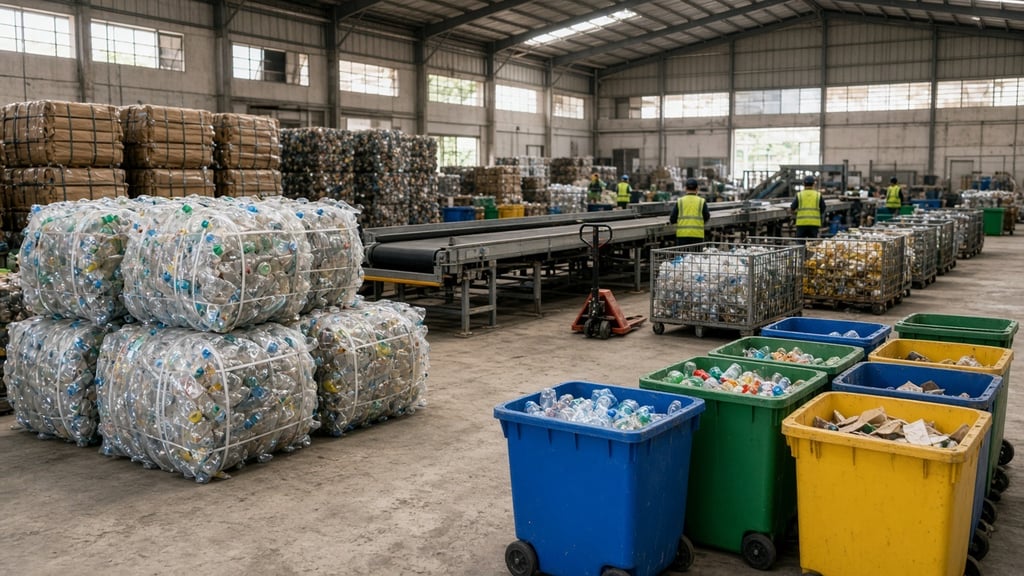
Pattaya City is testing whether source-level recycling can take pressure off a haulage system that now moves more than 500 tonnes of mixed rubbish every day. On 19 November, city hall joined a Bangkok recycling operator and the Redemptorist Foundation for People with Disabilities at the foundation's Bang Lamung campus to study sorting lines, buy-back logistics, and possible cooperation beside the city's large disposal contracts.
Mayor Poramese Ngampichet assigned his secretary, Bancha Kulawanich, to host the session. Dr. Ittikorn Srichanban, chairman of Wastebuy Delivery Co., Ltd., brought a private pickup model already used across Bangkok's 50 districts. Dr. Samrit Chapirom, manager of the foundation, hosted the tour of workshops and the campus waste system along Sukhumvit Road at kilometre 145 in Non Prue.
The scale is no longer a local secret. In early November the mayor's office used a working figure of 500 to 600 tonnes a day while inspecting a waste-to-energy plant in Bangkok. Pattaya City Council in August sized a 421.08 million baht collection, transport, and disposal contract for fiscal 2027 at about 590 tonnes a day. An 11 February inspection by the Pollution Control Department's Regional Environment Office 13 recorded about 550 tonnes a day leaving Pattaya's transfer station for TPI Polene in Saraburi.
Those tonnes come from a special municipality whose registered population is only about 119,500, while Greater Pattaya is several times larger once tourists, seasonal workers, and long-stay foreigners are counted. The 2026 contract numbers show how fast the bill has risen as visitor traffic recovered.
A campus that already treats recyclables as work
The Redemptorist Foundation for People with Disabilities is part of the Father Ray network in Bang Lamung, Chonburi. Its public brief is education, job placement, and career promotion. Across the wider campus, about 850 children and students with disabilities receive schooling and vocational training, including at the Pattaya Redemptorist Technological College on Sukhumvit at kilometre 145.
In August the Asia-Pacific Development Center on Disability walked the same site. Staff showed computer assembly and repair classes, electrical work, design and programming, call-centre employment, and a truck-driver monitoring programme. A 20-rai organic farm is used for vocational training. Recycling here is paid, skilled work, not a photo opportunity. Public-private job partnerships more than a decade ago already installed recycling machinery so graduates could earn from materials the rest of the city still throws away.
That is why the November visit matters for municipal planning. Pattaya is not being asked to invent a sorting culture from scratch. A local vocational employer already runs internal waste operations that city officials can inspect, copy, or contract. Treating the foundation as a technical partner, rather than a charity stop, matches how the campus actually operates.
Bangkok's pickup model meets a resort city's mixed bags
Wastebuy Delivery, based in Lat Krabang, sells source separation as a service: households and businesses set out recyclables and a collector treats them as feedstock. The company states that Bangkok produces about 8,700 tonnes of waste a day at a management cost near 20 million baht a day. Srichanban also chairs Wongpanit Suvarnabhumi Recycle Station, a buy-back centre in the Wongpanit network.
Pattaya's present system is still mostly mixed bags into a transfer station, then a long haul inland. City officials signaled they would support relevant cooperation. No volume target, start date, or Cluster 2 technology choice came out of the meeting. A separate feasibility study is already looking at a shared Chonburi Cluster 2 plant around the Khao Mai Kaeo site, and Koh Larn opened an integrated incineration centre in April. The foundation tour is a source-reduction track running next to those engineering bets.
What This Means for Expats and Travelers in Thailand
Long-stay visa holders in Jomtien, Naklua, and Pratumnak already pay, indirectly, for that haulage bill through rents, hotel rates, and municipal fees. If source-sorting partnerships move from a campus tour to building rules, juristic persons will start enforcing separate bags for PET, paper, glass, and food waste. Retirement-visa households and DTV remote workers who generate cardboard from deliveries will notice first.
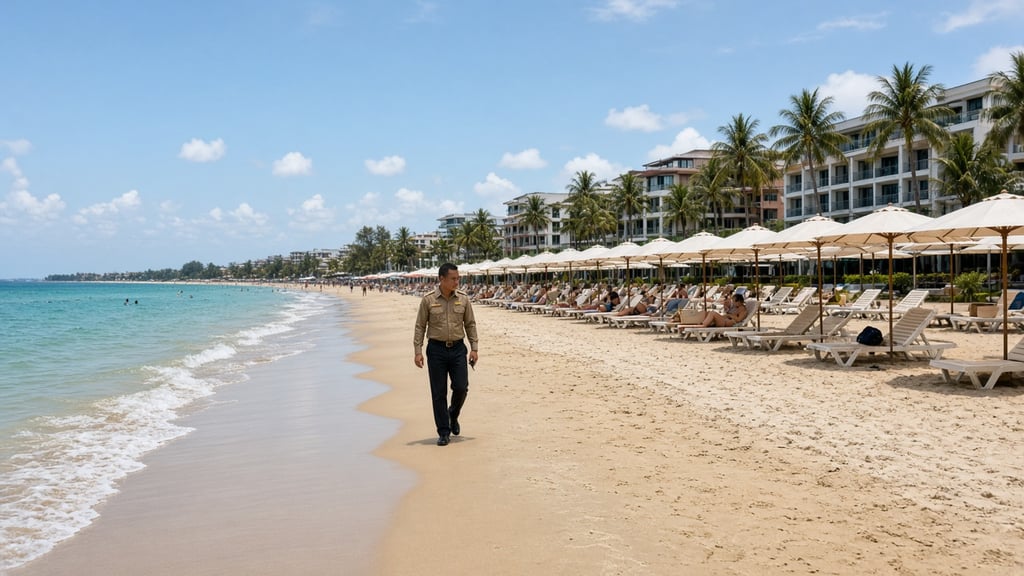
Travelers on short stays still see overflowing bins on Walking Street and beach sois. A foundation-linked employment programme would not empty those bins overnight. It would, however, create more local collection jobs and more buy-back shops of the kind Bangkok residents already use. Visitors who dump mixed bags in condo chutes make the 590-tonne problem worse before they even check out.
Practical steps that do not require waiting for a new city contract: ask your building office where recyclables actually go; take bottles and cardboard to a buy-back shop instead of the chute; and if you run a hotel, bar, or villa under a long-stay or business visa, expect tighter sorting rules if a private recycler is brought in. Treat disability-inclusive recycling work as skilled employment. Do not treat the campus as volunteer tourism. The Father Ray Foundation lists campus programmes in Bang Lamung.

Comment verification
Step 1 of 3
Verify your email once to publish your comment. Your email is never shown publicly.
Enter the 6-digit code sent to .
Choose the display name shown next to your comments.