
Thailand on Alert After Nipah Outbreak in India: What You Need to Know (and Why Bats Are Uninvited Guests)
On January 23, Thailand’s Department of Disease Control (DDC) sounded a cautious alarm after a fresh Nipah virus outbreak was reported in India. The DDC — posting updates on its Facebook page — said it’s fast-tracking coordination with the One Health network to keep tabs on the situation, detect any possible cases early, and prevent cross-species transmission. No cases have been reported in Thailand so far, but officials stressed that Nipah’s grim track record and high fatality rate call for heightened vigilance.
A quick explainer: What is Nipah?
According to the World Health Organization, Nipah is a zoonotic virus — meaning it jumps from animals to humans. Its natural hosts are fruit bats in the Pteropodidae family, especially bats of the Pteropus genus. Outbreaks in South and Southeast Asia have often been linked to fruit or palm sap contaminated with bat saliva or urine. From a mild, no-symptom infection to severe respiratory illness and deadly encephalitis, Nipah’s clinical picture is famously unpredictable. In serious cases the brain can become inflamed, potentially leading to coma within 24–48 hours.
Initial signs are deceptively ordinary: fever, headache, muscle pain, sore throat and vomiting. But these can quickly escalate to confusion, drowsiness, seizures — and for survivors, as many as one in five may endure long-term neurological problems.
How dangerous is it?
Very. Reported case fatality rates range from about 40% to 75% depending on healthcare access and how quickly an outbreak is contained. There’s no approved vaccine or specific antiviral treatment for Nipah; care concentrates on managing symptoms and supporting respiratory and neurological function. Human-to-human transmission has been documented, particularly in healthcare settings — a stark reminder that infection control in hospitals and among caregivers is crucial. In Siliguri, India, a past outbreak saw roughly 75% of cases linked to hospital transmission.
Should Thailand be worried?
Short answer: watchful, but don’t panic. Thailand hasn’t recorded any Nipah outbreaks, but studies have found Nipah antibodies in Pteropus fruit bats here, which suggests the virus has a presence in local wildlife. That’s why the DDC’s One Health approach — which ties together human, animal and environmental health teams — is so important. Early detection and cross-sector coordination are the best defenses against a spillover turning into a community outbreak.
Practical precautions (sensible, non-alarming)
- Avoid contact with sick or dead animals and report unusual wildlife behavior to local authorities.
- Wash fruit thoroughly, peel when possible, and avoid consuming raw or unpasteurized palm sap if there’s a risk it could be contaminated by bats.
- Practice regular handwashing and good hygiene — especially after contact with animals or their environments.
- If caring for someone who is sick, use basic protective measures and follow guidance from health authorities. Avoid unprotected close contact with suspected cases.
- Follow official updates from the DDC and the World Health Organization rather than rumors on social media.
What else is on the radar?
Adding another layer to Thailand’s public health watchlist, a leading Thai virologist has warned of a mutated influenza strain circulating in the country. Reduced vaccine effectiveness has been cited as a factor in rising flu cases. While this is a separate issue to Nipah, it underscores the value of robust surveillance systems and vaccination campaigns to reduce strain on health services — because managing multiple outbreaks at once is the last thing any health system needs.
Bottom line
The message from Thailand’s health authorities is clear: stay alert, not alarmed. Nipah’s potential for severe disease and person-to-person spread justifies the DDC’s prompt action and One Health coordination, but there’s currently no cause for panic. Simple protective steps — good hygiene, cautious handling of fruit and sap, avoiding sick animals, and following DDC updates — go a long way toward keeping communities safe.
For now, keep an eye on official channels for updates, respect the advice of public health professionals, and remember that vigilance, not fear, is the most effective response.




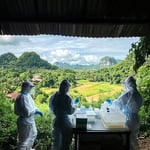













We posted the DDC update and practical tips; stay tuned for official info and please avoid panic, not promote rumors.
So you’re telling me bats are the villains again, but what about people drinking raw sap every year and not getting blamed?
Blaming cultural practices without context is unhelpful; evidence shows contaminated palm sap is a recognized spillover route, but interventions should protect livelihoods as well as health.
Good point — the article mentions avoiding raw sap but also stresses One Health coordination to balance public health and local practices.
Why isn’t the government culling bats then? Problem solved, right?
Culling bats isn’t recommended; it can actually increase disease risk by dispersing infected animals and disrupting ecosystems.
I live near fruit orchards and this scares me — should we stop selling fruit during the season?
That’s extreme; washing and peeling fruit is easier and still protects people, plus farmers need income.
Fair, but when people read ‘very dangerous’ they panic; authorities should be clearer about what real risks are.
Authorities are always vague until it’s too late, then they demand trust; transparency matters.
Transparency from officials often means panic on social media. Trust gets eroded either way.
I’m traveling to Thailand next month — should I cancel my trip because of Nipah and the mutated flu?
Don’t cancel out of fear; follow DDC guidance, avoid risky contacts, and get a flu shot if available before you travel.
Risk assessment matters: Nipah is deadly but rare, and public health measures can mitigate risk; blanket cancellations can harm economies unnecessarily.
Thanks, I appreciate a measured answer — I’ll check updates and take precautions.
Culling bats or burning roosts worked for other diseases in some places — why not try it here?
That sounds cruel and short-sighted, animals aren’t the enemy, humans are when we encroach on habitats.
I get the cruelty point but people die from these viruses; protecting people should be priority.
Scientific consensus warns that culling often backfires by increasing movement of bats and disrupting surveillance; proven strategies focus on reducing contact and protecting sap collection methods.
Bats? Yuck. Do masks stop bat germs?
Masks help reduce respiratory spread between people but preventing bat-to-human transmission depends more on avoiding contaminated food and close contact with bats.
Okay, I’ll wash fruit and keep my distance from bats!
The article mentions One Health; this is exactly why cross-sector surveillance is crucial and underfunded in many regions.
Absolutely — integrated surveillance, rapid diagnostics, and community engagement are key to detecting spillovers before they spread widely.
Then why does funding always favor short-term outbreak response instead of sustained surveillance?
Because politicians prefer flashy fixes to boring monitoring, sadly.
I worry that social media will amplify misinformation; the article is a good reminder to follow WHO and DDC.
Misinformation spreads faster than viruses sometimes — but people also distrust official channels when they feel unheard.
True, dialog and local outreach are as important as official updates to build trust.
Community trust hinges on consistent messaging and involving local leaders in surveillance and education.
Why does the article not probe why the flu vaccine is less effective this year? That’s important context for public health preparedness.
We mentioned the virologist’s warning briefly; a deeper dive into influenza vaccine mismatch is coming in a follow-up piece.
Farmers like me will lose customers if people freak out about fruit and bats; how do we protect both public health and our livelihoods?
Programs that fund safe harvesting, cover the cost of sap covers, and public education can reduce risk without harming income.
That’s what we need — support, not shame.
I feel officials always say ‘don’t panic’ but then restrict movement later; it feels like mixed signals.
The balance is hard — early alarm can panic people, late action fails containment; communication strategy is key.
If Nipah appears in Thailand, hospitals need PPE training now, not after the first case pops up.
The DDC said it’s coordinating with health facilities, and training is part of the One Health approach mentioned in the article.
I read somewhere conspiracy theories about bioengineering; can we stop that nonsense and focus on facts?
Conspiracy theories undermine public health by diverting attention and resources; evidence-based surveillance and transparency counteract that harm.
I’m annoyed by people suggesting travel bans; they often harm poor communities more than they stop disease spread.
Economic impacts matter, but so does safety — there has to be a middle ground with targeted measures.