Thai Immigration screens serial visa runners at airports and land borders nationwide
Officers at every Thai airport and land checkpoint will now treat stacked visa-exemption hops as a red flag. Travellers who cycle in and out more than twice without a credible reason can be refused entry.
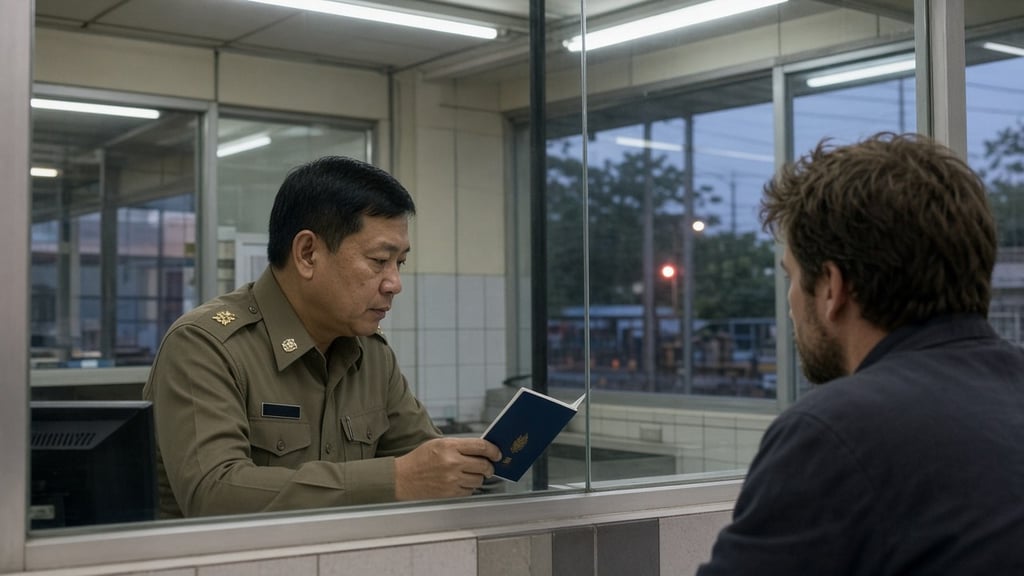
Thailand's Immigration Bureau has ordered officers at every international airport and land checkpoint to treat repeated visa-exemption hops as a security problem, not a harmless tourist habit. After an urgent meeting on 12 November 2025 chaired by Immigration Commissioner-General Pol Lt Gen Panumas Boonyalak, commanders nationwide were told to intercept foreigners who enter as tourists, then use serial in-and-out stamps to stay, work, or operate grey businesses, including cyber-fraud networks.
The order follows a policy push from Prime Minister Anutin Charnvirakul and Royal Thai Police chief Pol Gen Kittirat Panpetch. Bureau spokesman Pol Maj Gen Cherngron Rimphidi set out four operational measures. The visa-run screen is the one that will change daily travel: more than two visa-free hops, without returning home and without a tourist-like itinerary, can mean refused entry at airports and land borders, and an instruction to apply for a visa that matches the real purpose of stay.
Officials said about 2,900 foreigners with similar travel patterns had already been turned away at airports since the start of 2025. The November protocols make that screening standard at every port, including the land crossings long used for cheap same-day hops to Malaysia, Laos, and Cambodia.
Four measures, one target: exemption as a revolving door
The legal backdrop is the 60-day visa-exemption scheme, expanded in July 2024 to 93 countries and territories for tourism and short business, with a discretionary 30-day extension that can take a single visit to 90 days. That window was a tourist stamp, not a rolling residence permit. Serial use is now treated as abnormal, and officers can send those travellers back to apply for the correct visa.
A second measure targets watchlists from border scam zones, especially Mae Sot in Tak province and the Mae Sot-Myawaddy crossing. Foreigners previously denied entry or pushed back there are to be refused again if they try to re-enter Thailand. Provincial offices must tighten 30-day extensions: a visa-run pattern can mean refusal or revocation, then deportation. The fourth measure is a nationwide sweep of overstayers.
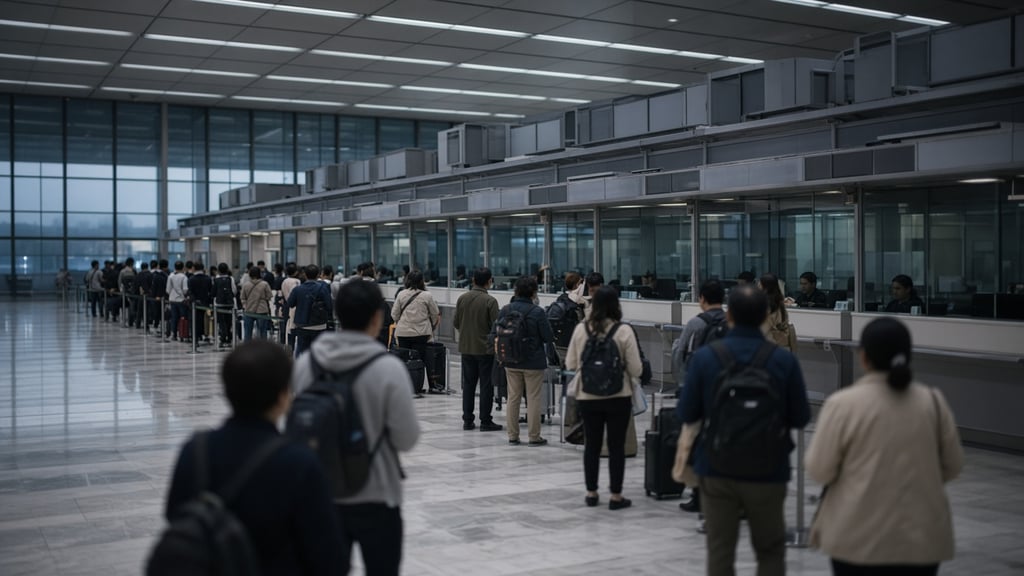
Airport processing is meant to stay fast. Screening should not exceed 45 seconds per person, queues should not exceed 40 minutes, and all counters are to be staffed at peak hours. Thai nationals can still use automatic gates, typically in about 20 seconds.
Phuket as a busy test of the national order
On the ground, Phuket has become an early test at a crowded tourist airport. Phuket Immigration Chief Col Kriangkrai Ariyaying has told local visa agencies that arranging visa runs for clients who intend to stretch exemption privileges is no longer acceptable. Officers check for a travel plan, confirmed accommodation, and a stay that looks like tourism. Failure can mean a refused stamp. Working illegally on an exemption can mean arrest, cancellation of stay, deportation, and a blacklist.
Land-border exemption entries were already limited, for most nationalities, to two crossings in a calendar year. The November order goes further, applying at air and land ports and treating more than two visa-run cycles without a solid explanation as grounds to refuse. Travellers should also complete the free Thailand Digital Arrival Card within three days of arrival. It is mandatory for all non-Thai arrivals and is not a visa.
What This Means for Expats and Travelers in Thailand
A current 60-day exemption stamp is still a 60-day stamp, unless an officer refuses you at the border. Ordinary holidaymakers with a hotel booking, a return or onward ticket, and a short itinerary should pass as before. What has changed is the treatment of serial in-and-out patterns. If you have already used the exemption twice in a row without going home, expect questions. A third hop without a solid reason can end in a refused stamp.
Anyone living in Thailand, working remotely, running a business, or staying for months should stop treating land borders as a visa factory. The Destination Thailand Visa is the legal long-stay track for digital nomads, freelancers, and some study or wellness stays: five years, multiple entry, up to 180 days per entry, with one in-country extension of up to another 180 days. Retirement, marriage, education, and employment visas remain the proper channels. Do not work on an exemption stamp.
Bring proof of accommodation and onward travel. Do not pay an agent to recycle your exemption if you actually need a DTV, a retirement visa, or a work permit. The November order is aimed at grey-market hopping and crime, but the screening net will catch anyone whose passport history looks like residence on tourist stamps.
Comment verification
Step 1 of 3
Verify your email once to publish your comment. Your email is never shown publicly.
Enter the 6-digit code sent to .
Choose the display name shown next to your comments.