Anutin Charnvirakul's Strategic Alliances: Navigating Political Tides in 2025
In a modern tale consumed by politics and high-stakes camaraderie, Bhumjaithai's charismatic figurehead, Anutin Charnvirakul, finds himself navigating the treacherous seas of alliance and perceived discord. Amid…
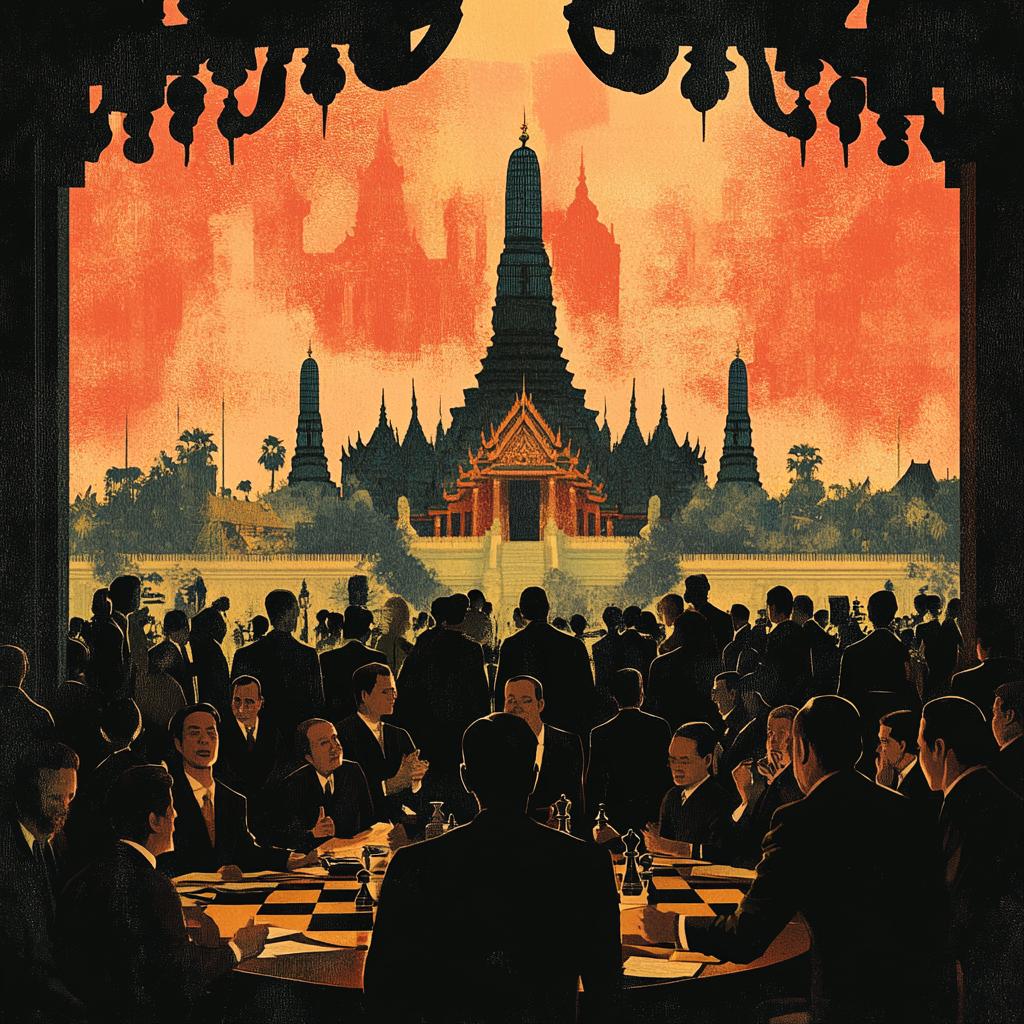
In a modern tale consumed by politics and high-stakes camaraderie, Bhumjaithai's charismatic figurehead, Anutin Charnvirakul, finds himself navigating the treacherous seas of alliance and perceived discord. Amid whispers and eyebrow-raises worthy of a political thriller, Anutin candidly confirmed the Bhumjaithai patriarch and political veteran, Newin Chidchob, made a stopover at the abode of former Prime Minister Thaksin Shinawatra one fateful Sunday. But before suspicions brewed too wildly, Anutin was quick to debunk any thought of squabbles, reminding the public that such tête-à-têtes are plain as day and as regular as sunrise.
The backdrop to this political play was the buzz around an aborted meeting that seemed to vanish into thin air on February 24, a gathering supposedly designed to sip tea and solve any sour notes between the ruling Pheu Thai Party and Bhumjaithai. But Anutin, with a measured humor akin to a maestro in control, softly scoffed at suggestions of hostility. According to him, the rendezvous was casual—a gathering under an easy breeze to discuss various knotty topics over what seemed a routine symposium. On the table were lively conversations about the no-confidence debate aimed at Prime Minister Paetongtarn Shinawatra and the ever-titillating casino-entertainment complex saga. Yet Anutin shrugged off any alarming conjecture of a rift, likening policy disagreements to marital spats—a norm resolved around dinner tables and discussion floors.
Over recent months, however, political winds whispered of tensions, with the two major parties clashing swords over heavyweight issues. Debated hotly were the storylines of charter amendment controls, casino-construction daydreams, and the contentious riddle of Section 256 amendment, which was paving potential pathways for rejuvenating the constitution from scratch. As questions rocketed, another rumor glided—one laced with intrigue surrounding the Department of Special Investigation’s scrutinizing gaze at alleged coalition in the Senate elections, a probe which looked suspiciously at the intriguing "blue faction" nestled within the Senate, cozy with Bhumjaithai loyalties.
Against this cinematic backdrop, Anutin firmly planted his feet and retorted any innuendo of obstruction against Pheu Thai's ambitions, chiding the media for rumours that echoed like storms in a teacup, intent on tearing asunder what political destiny had subtly intertwined. To cross-reference this harmony, Anutin pointed to a magnificent brainchild: the Entertainment Complex Bill, nestled lovingly by the Finance Ministry’s creative pen, yet requiring the Prime Minister’s patronage to bring it from ink and paper to regal enforcement.
Of course, no administrative tale escapes the scrutiny of bureaucracy minutiae. Amidst the lofty ideas of entertainment meccas, the Interior Ministry found itself a chorus of conscientious objectors, waving flags of regulation for building safety and operational oversight. With the Prime Minister penning addendums of agreement, the bill metamorphosed to include the Interior Ministry's orchestration, maintaining oversight harmony on its complex endeavor.
A source with the air of an insider hinted the Sunday chit-chat skimmed across casino complexes and the shimmering, sometimes shadowy world of online gambling. But Anutin resolved to pave over skepticism and pledged allegiance to the Prime Minister—like a knight to a kingdom—vowing the Cabinet's brawniest defense against censure debates’ bayonets.
Meanwhile, in this unfolding saga, General Prawit Wongsuwon of the Palang Pracharath Party twirled his hand into the narrative, eyes affixed on leading his MPs into the no-confidence dance. Anutin stood prepared for any political tango, promising answers on standby for Gen Prawit's inquisitions.
But though the phrase 'Prime Minister's guardians’ teased the air, Anutin asked the public to dispel such labels, elucidating that their role stood not as sentinels of any singular figure, but defenders of parliamentary order and governmental integrity, ensuring the debate echoed through chambers with dignity and decorum.
Within Pheu Thai corridors, suspense lingered over time's allowance for the unfolding dialogue, with calculations suggesting the Prime Minister stood alone as the conjectural target—a solitary spotlight in this theater. Yet optimistic glances and measured anticipation held for Gen Prawit’s interjection, teasing whether Palang Pracharath's theater debut would perform admirably.
"In his stage history, his words graced the floor barely a whisper," a deputy echoed with wry thanks, "as the curtain rises, may support and wisdom stand by his side."
Timing the debate spotlight, PPRP's maestro, Paiboon Nititawan, composed a two-hour premiere window for grilling the ruling playwright, with Gen Prawit's participation a critical part of the unfolding plot, while political bystanders sat, eager, for the performance to commence.



Comment verification
Step 1 of 3
Verify your email once to publish your comment. Your email is never shown publicly.
Enter the 6-digit code sent to .
Choose the display name shown next to your comments.