A Colourful Shoreline Ballet: Fiddler Crabs Steal the Show at Ban Rai Yong Star
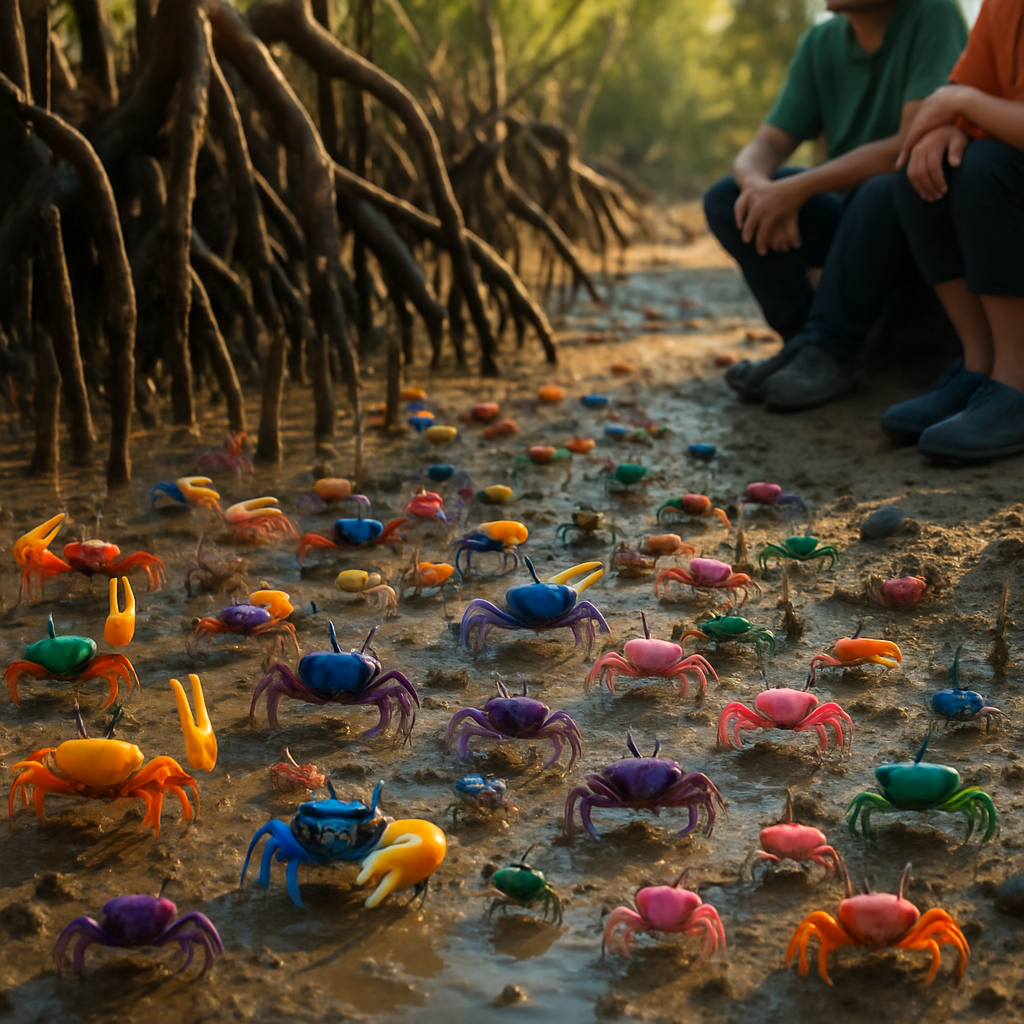
If you were wandering the mudflats of Trang’s mangroves on January 7, you might have stumbled into what looks like nature’s own paintbox come to life. At Ban Rai Yong Star in Palian district, tourists were treated to a surprising spectacle: vast swarms of fiddler crabs emerging from their burrows in a shimmering rush of colour and claws. It was less a wildlife sighting and more an impromptu crustacean carnival.
Visitors who settled onto the muddy edge learned the best trick for getting a front-row seat: stay perfectly still. After a minute or two of patient silence, the crabs did what they do best—peek, scamper, and feed. They plucked decaying plant material and tiny organisms from the silt, scuttling about the mangrove margins as if the mudflats were a gourmet buffet.
Meet the Cast: Males, Females, and the Grand Claw
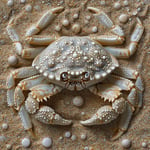
The fiddler crab’s look is all about the drama. Males are unmistakable with one oversized claw that often looks comically out of balance—part weapon, part billboard—used to court mates and ward off rivals. Females, meanwhile, maintain a more modest symmetry with two equal-sized claws. But the real head-turners were the colours: yellow claws paired with blue or black-and-white bodies were common, while other crabs showed everything from purple and bright green to electric blue, flashy orange, and even soft pink. Aphinan Phetpheng, manager of the Ban Rai Yong Star tourism enterprise, said the site currently hosts at least seven distinct colours—a lively sign that these mudflat residents are thriving.
Nature’s Tide Clock and Mangrove Health Indicator
Fiddler crabs are more than just photogenic mud-dwellers. Locally, they’re known as natural tide predictors: they burrow and seal the entrances to their holes before high tide, emerging when the water pulls back. Because of this behavior they’re seldom seen at peak tide except in higher-elevation habitats. Their presence — in such abundance — is a bright green flag for the ecosystem. Aphinan pointed out that healthy fiddler populations support the food web by maintaining soil quality and serving indirectly as a boost to fish, shrimp, and shellfish numbers.
These small crabs are not usually targeted for food—their size makes them impractical as a meal—but some people do collect them for aquarium displays. More importantly, scientists and nature lovers see fiddler crabs as bellwethers of mangrove health: where fiddlers flourish, the mangroves are often in good shape, filtering nutrients and providing nursery grounds for marine life.
Why the Surge Matters for Eco-Tourism
For Ban Rai Yong Star, the crab spectacle is a tourism goldmine that doesn’t harm the habitat. Sightings like this draw nature photographers, families, and curious travellers seeking authentic, low-impact experiences. The scene—crabs darting through mud in bursts of color—makes for memorable photos and a gentle reminder that even the smallest creatures play outsized roles in coastal ecosystems.
Local guides encourage responsible viewing: stay on marked paths, keep noise low, and resist the urge to poke or prod the crabs. A patient crowd leaves the animals to their business and, in return, gets front-row access to one of the mangrove’s cutest and most industrious inhabitants.
From Trang to Uthai Thani: A Year of Natural Wonders
The fiddler-crab phenomenon in Trang has a playful counterpart elsewhere in Thailand. Recently, tourists also flocked to Hup Pa Tat in Uthai Thani to glimpse the rare pink dragon millipede—one of the most eye-catching newly recorded species. Between the painted crustaceans of Palian and the rosy millipedes of Uthai Thani, Thailand’s natural world has been serving up vivid, headline-making biodiversity.
Whether you come for the fiddler crabs’ colourful claws, the quiet thrill of watching them re-emerge from burrows, or simply to support community-based eco-tourism, Ban Rai Yong Star offers a small, joyful reminder: nature’s spectacles don’t have to be big to be breathtaking. They only need to be observed with care, curiosity, and a sense of wonder.
Planning a visit? Bring a camera, a pair of waterproof shoes, and a willingness to be still—the best photos and memories are earned with a little patience. And remember: by keeping mangroves healthy, we keep the fiddlers—and the larger web of life they support—dancing on the mudflats for generations to come.








This is amazing but also a little staged—are we sure tourism won’t stress the crabs? The photos are gorgeous though and I get why people flock there.
Staged? They’re wild animals; staying quiet and still is the only ‘staging’ happening, and that’s low-impact ecotourism in my book.
I work mangroves for a living—too many visitors trampling the edges can compact soil and kill burrows, even if folks mean well.
Good point, grower134—maybe the piece should have pushed harder on access limits and real visitor caps instead of just the ‘bring shoes’ line.
The color variety sounds unreal—seven colors? Nature keeps surprising us and humbling my paint palette choices.
Some of those pigments come from diet or genetic variation; photographers sometimes overhype the vibrancy with filters though.
True, Alex, but filters don’t create purple claws from nowhere—still fascinating whether natural or enhanced.
I want to go and see pink crabs! Are they friendly? I promise I will be quiet.
Sixth-grader here: this sounds like a crab party. Why do the males have one big claw? Seems unfair.
As a marine ecologist, I appreciate the article’s note that fiddlers are ecosystem engineers—their bioturbation helps oxygenate sediments and supports nutrient cycling.
Could tourism be harnessed to fund conservation there? Entry fees that go to mangrove restoration would be ideal.
If people pay money, will they stop trashing it? I worry greedy tours will still behave badly.
Agreed, funding is only part of the solution—education, strict rules, and local co-management make a program successful.
Love this—can you point to studies showing fiddler abundance correlates with fish nursery success?
I went last year and the silence was hypnotic; a crowd that whispers can watch these crabs for hours.
Was it difficult to get there? My parents worry about muddy shoes but I think it’s worth it for the pictures.
Not hard if you join a guided group—bring old shoes and don’t stand on the flats, guides keep people on track.
I love the attention but hate the headlines that turn every fragile place into a selfie magnet; balance it better.
As someone who fishes nearby, I’ve seen spots recover when communities protect mangroves, but we’ve also had tourists ruin migratory bird roosts.
Exactly—community-led limits work best. Ban Rai Yong Star seems mindful but keep an eye on numbers and behavior.
Could local enterprise expand guided viewing to limit free-for-all access? That seems like a win-win.
This sounds like a school field trip dream. Please tell me they let kids observe without touching?
They do tours for kids—teachers are told to enforce no-touch rules and the guides are good at keeping little hands away.
Yay! That’s a relief. Kids learn best by watching, not grabbing, I think.
I worry about collectors—if people take fiddlers for aquariums it could affect local genetic diversity even if they’re small.
Collectors are a real issue; even rare millipedes in other parks were wiped by enthusiasts, so rules and enforcement matter here.
Exactly, education plus fines when necessary. Let science study them, don’t privatize populations.
Photographers should also resist the urge to chase rare shots; patience wins and stress harms the animals.
True—ethical wildlife photography guidelines should be part of every tour package.
Tour guides at Ban Rai Yong Star apparently brief visitors; still, a certification program for guides would help.
If tourists support certified guides, the money could funnel into conservation training and monitoring.
I respect the fiddlers—they indirectly keep fish populations healthier. But tourists mustn’t trample nursery areas.
Could local fishers be trained to lead tours? They know tidal rhythms and could offer jobs instead of being sidelined.
That’s already happening in some villages—sharing knowledge is better than fighting tourists.
Articles like this are double-edged: they celebrate biodiversity but can spark unsustainable attention if not handled carefully.
The media should include stewardship tips and links to local conservation groups; hype alone isn’t helpful.
Agreed—I plan to contact the author with suggestions for a follow-up about best practices.
Also worth noting: climate change and sea-level rise could alter these mudflats, so today’s spectacle might be tomorrow’s memory.
One more note—research permits for scientists should be transparent so monitoring data is public and helps guide tourism policy.
I volunteer for coastal cleanups and would gladly help set up a visitor stewardship program in Palian.
Photographers: please credit guides and local communities in your posts; they made that shot possible and deserve recognition.
If I become a biologist I will come study the crabs and protect them. Promise!
Why are people so quick to monetize every wildlife sighting? Some places should be left quiet without a tourist economy.
Tourism brings money for mangrove protection if it’s channeled right; banning visitors outright often hurts locals who depend on sustainable income.
Can someone explain why claws are so colorful? Is it mating display or camouflage or both?
Coloration can serve multiple functions: signaling to mates, species recognition, or even UV protection; it varies by species and habitat.
I hope the article inspires more responsible ecotour programs—small spectacles like these are perfect for low-impact nature education.
Let’s be clear: responsible programs require local leadership, monitoring, and limits. Romanticizing without structure is risky.
I met a guide who used chalk marks on paths to prevent trampling—simple measures like that make a huge difference.
I disagree slightly—the best shots sometimes come when you slowly move closer, not just sit still; ethics must still prioritize animal welfare.
Will the crabs be there every year? If climate changes things, will we lose this colorful show?
Populations can fluctuate with seasons and long-term stressors; continued monitoring is essential to understand trends.
If collectors start exporting these for aquariums, someone should start a petition to ban wild collection of fiddlers.
The pink dragon millipede link in the article shows how diverse Thai habitats are—protecting them is a national priority, not just local.
Final thought: respect the mud, respect the tides, and the crabs will keep dancing. People just need to learn the rhythm.