Bangkok's Khlong Toei Market Transformation: A New Era for Street Food
In a bustling corner of Bangkok where the aroma of sizzling meats and sweet confections once mingled with the rhythmic call of street vendors, change is in the air. Khlong Toei Market 1, long celebrated for its…
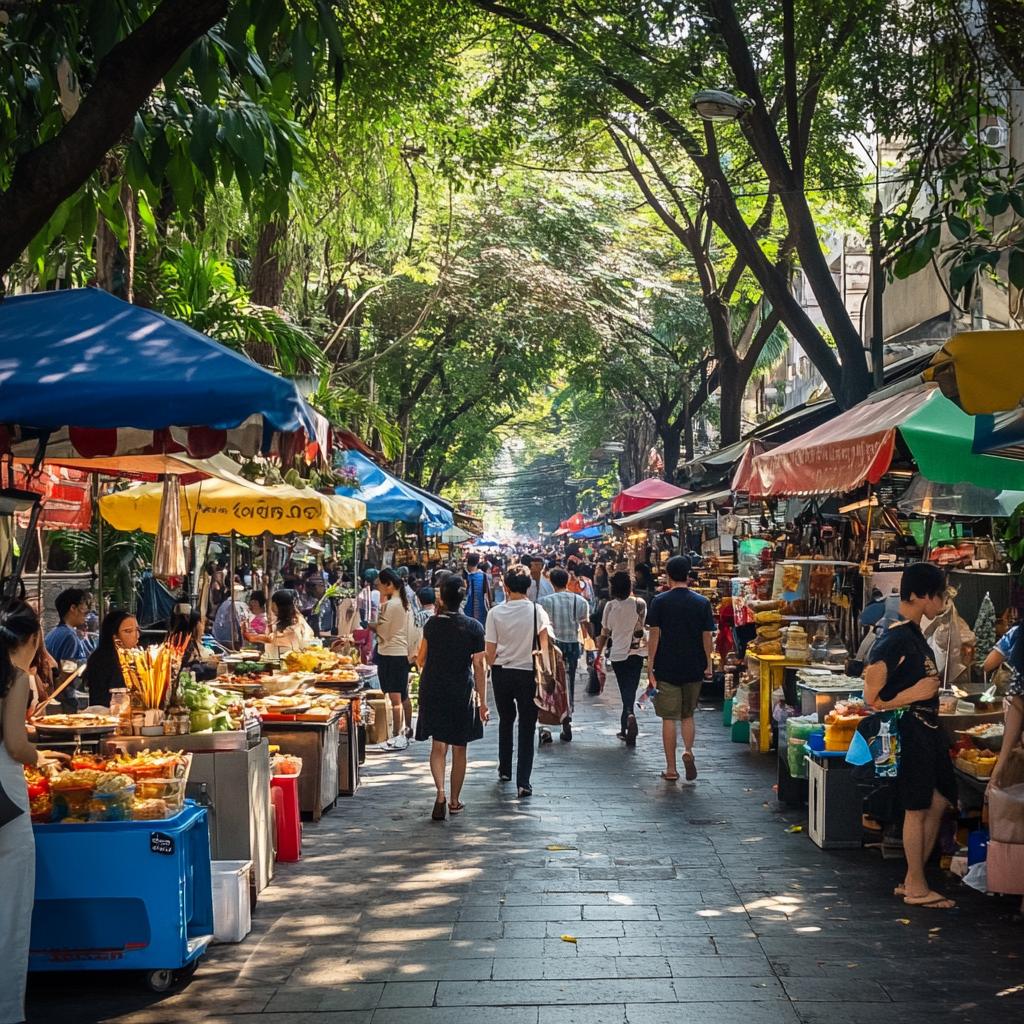
In a bustling corner of Bangkok where the aroma of sizzling meats and sweet confections once mingled with the rhythmic call of street vendors, change is in the air. Khlong Toei Market 1, long celebrated for its cornucopia of culinary delights, is about to undergo a transformation that aims to bring a fresh face to the storied streets of Ratchadaphisek Road. The directive is clear: by March 16, the vibrant stalls packed with pork blood soup, BBQ pork rice, and more must move, ushering in a new era of pedestrian-friendly pathways.
Spearheading this initiative is Deputy Bangkok Governor Jakkapan Phiewngam. With the precision of an engineer and the flair of a maestro, he and his cohort of officials have devised a grand plan to rejuvenate the area, aiming to marry functionality with form. The team, which includes Deputy Bangkok Metropolitan Administration Permanent Secretary Supakrit Boonkhant and various district officials, recently took to the streets in a concerted effort to lay the groundwork for this ambitious makeover.
The vision is bold: open, clean pathways guiding the feet of the city's innumerable pedestrians. This requires not just the relocation of stalls but a thorough revamp of the urban aesthetic along this vital artery of Bangkok, which connects Rama IV Road and Sunthon Kosa Road. The endeavor promises to transform the character of this vibrantly chaotic neighborhood without stripping it of its intrinsic culture.
Approximately 35 diligent vendors will relocate their vibrant culinary offerings from the plaza front of Khlong Toei Market 1, a stretch extending from Phek Leng Keng Shrine to Rama IV Road. Their fare ranges from crispy pork delights to sweets and fresh produce—a genuine feast for any passerby. Yet, this move is not without cause. Concerns regarding hygiene have emerged, with waste disposal issues contributing to blocked drains and slippery, odorous pavements. The bustling food scene that locals and tourists alike adore has been marred by inadvertent organic chaos.
The market move story extends beyond simple city planning; it echoes broader efforts across Bangkok to realign its famed street food culture with modern infrastructure needs. Previous relocations of vendor stalls along the footpath of Khlong Toei Market 2, affectionately dubbed the Lao Market, have already set the precedence for this project. The Bangkok Metropolitan Administration (BMA) envisions the establishment of structured hawker centers—spaces where tradition and tidiness converge.
This urban evolution isn't confined to Khlong Toei alone. All of Bangkok’s legendary street food is poised for change, as new regulations spell stricter operational criteria for street vendors. The controversial new mandate, championed by Governor Chadchart Sittipunt, specifies that only “poor Thais” may don the vendor’s apron, excluding migrant workers entirely. However, skeptics debate the potential effects on the very fabric of Bangkok’s street food scene—a vibrant spectacle that mirrors the city’s eclectic energy.
The implications of this reshaping plan reach far beyond mere aesthetics; they touch on the essence of community life and urban culture in Bangkok. What lies ahead for these vendors is a chapter yet unwritten, full of excitement, anxiety, and untold possibilities. And as March 16 approaches, the city awaits the unveiling of this new, pedestrian-friendly Khlong Toei, a testament to Bangkok’s ongoing metamorphosis into a global metropolis.



Comment verification
Step 1 of 3
Verify your email once to publish your comment. Your email is never shown publicly.
Enter the 6-digit code sent to .
Choose the display name shown next to your comments.