Mu Ko Similan National Park: Corruption Scandal Unveiled in Ticket Sales Scheme
The pristine beauty of Mu Ko Similan National Park has long been the crown jewel of Phangnga province, drawing nature enthusiasts from across the globe to its turquoise waters and vibrant marine life. Recently, however,…
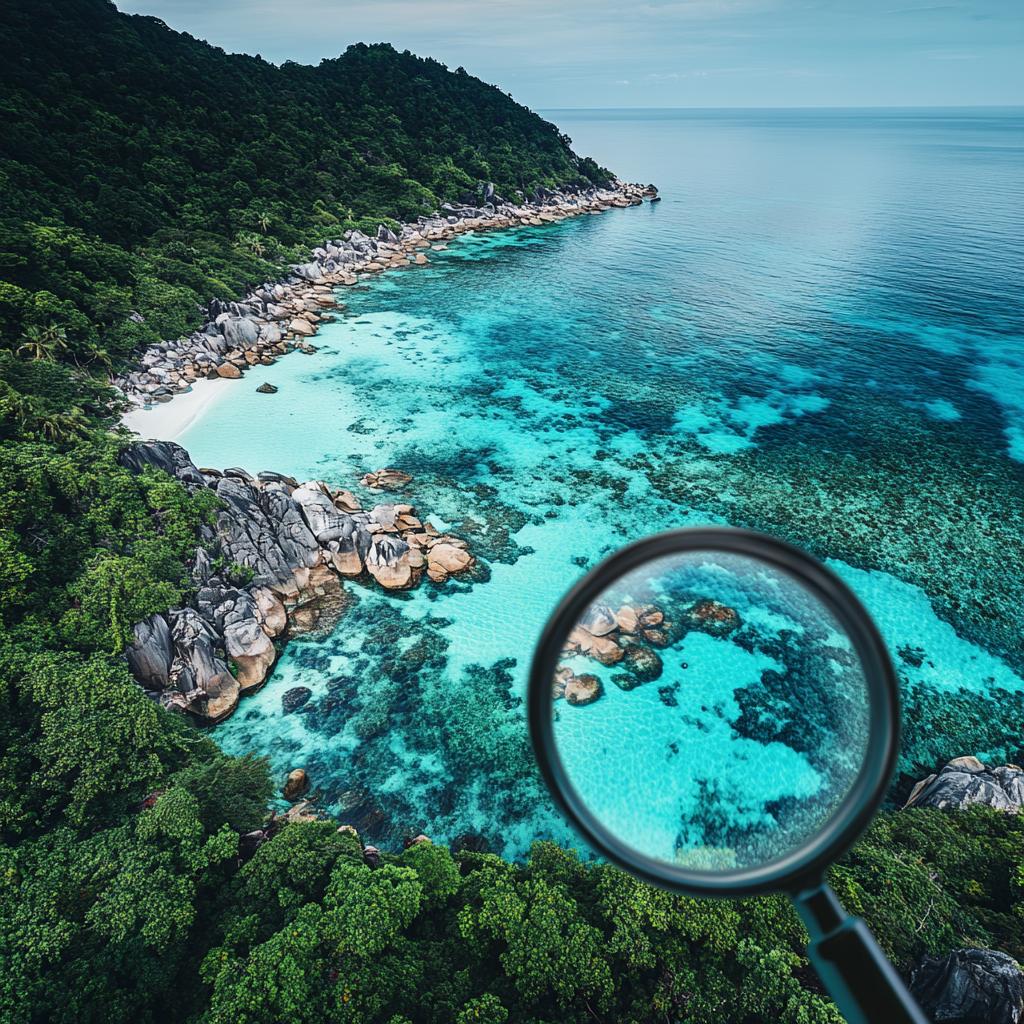
The pristine beauty of Mu Ko Similan National Park has long been the crown jewel of Phangnga province, drawing nature enthusiasts from across the globe to its turquoise waters and vibrant marine life. Recently, however, the serene paradise has found itself at the center of a turbulent storm, not conjured by nature, but by whispers of corruption. The scandal revolves around a purported illegal ticket sales scheme that has rocked the park's administration to its core.
The intrigue began unraveling when inspectors from the ever-watchful National Anti-Corruption Commission (NACC) swooped in for what was supposed to be a routine check. It wasn't long before they stumbled upon a discovery that had their senses tingling: a slew of entry tickets for Thai nationals, conveniently masquerading as transactions meant for foreign visitors. This information raised eyebrows, and for good reason. In Thailand, entry prices do a curious dance depending on one's nationality. Thai adults and children enjoy the natural wonders for a modest fee of 100 and 50 baht, respectively. On the flip side of the coin, foreign visitors fork out significantly more—500 baht for adults and 250 baht for the little ones. It's a discrepancy well-documented by in-the-know travelers and highlighted on platforms like Two Price Thailand.
So, what's the fuss about? Whoever orchestrated this cheeky scheme stood to rake in a quite lucrative profit. It's no small matter—the park's coffers would ostensibly take a hit due to this cunning subterfuge, hence the keen interest and subsequent investigation by the NACC. Overseeing this picturesque but increasingly problematic park was the now-relocated head honcho, Ritthikorn Noonloy. News of his transfer to the Forest Conservation Office 5 in Nakhon Si Thammarat broke alongside news of the investigation, making for a plot as thick as the lush jungle flora the park is famed for.
Yet, everything may not be as sinister as it seems. According to Athapol Charoenshunsa, the department's esteemed director-general, Ritthikorn could make a return to his former role, assuming the sleuthing detectives from NACC absolve him of any wrongdoing. Until then, Warawut Saengthong, a seasoned forestry specialist, and assistant chief of Mu Ko Similan, will be steering the ship—or, in this case, guiding the park—until the final curtain on September 30.
There's more to this narrative than just ticket manipulation. Athapol has pointed out a longstanding policy within the department, one that echoes the wisdom of not letting an old tree set roots in one place for too long: chiefs of marine parks shouldn't remain at their posts indefinitely. This rotative policy is a shrewd measure to thwart the growth of undue influence, which, much like a vine creeping over a garden, can smother the structures of good governance.
As the investigation unfolds, the sun continues its dazzling dance over the Similan archipelago, shining light on both the coral below and the actions above. Whether Ritthikorn's tale is one of misguided dealings or a straightforward misunderstanding remains to be seen. For now, the park remains, as always, a breathtaking canvas of natural beauty, inviting visitors to delve into its depths, be they explorers of underwater wonders or seekers of a captivating story above the waves.



Comment verification
Step 1 of 3
Verify your email once to publish your comment. Your email is never shown publicly.
Enter the 6-digit code sent to .
Choose the display name shown next to your comments.