NBTC's New Crackdown on Mobile Banking Fraud: Protecting Thailand from Mule Account Scams
In the digital age, where convenience is king, the allure of seamless mobile banking is undeniable. However, lurking beneath this facade of ease and accessibility, a darker narrative unfolds, one orchestrated by crafty…
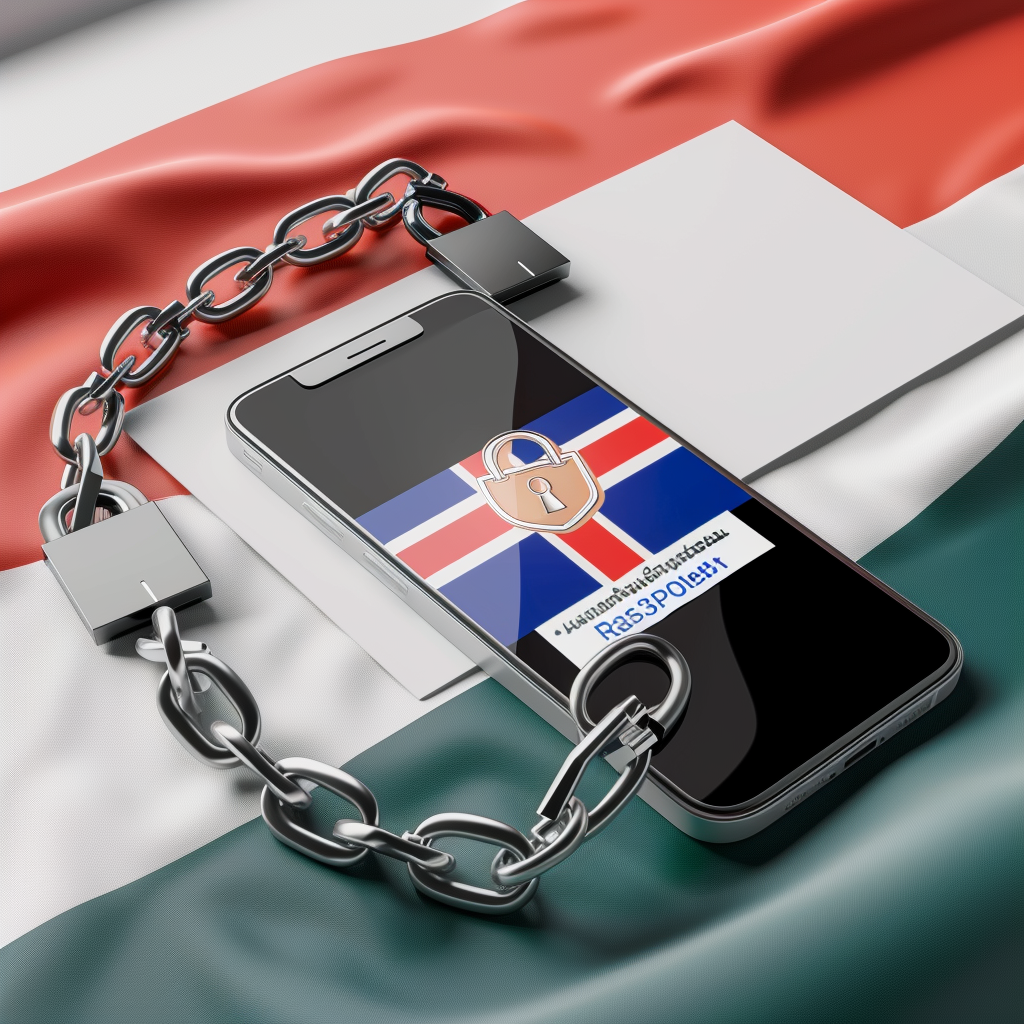
In the digital age, where convenience is king, the allure of seamless mobile banking is undeniable. However, lurking beneath this facade of ease and accessibility, a darker narrative unfolds, one orchestrated by crafty fraudsters utilizing mule accounts to conduct their nefarious activities. In a bold move to safeguard its citizens, the National Broadcasting and Telecommunications Commission (NBTC) has unveiled a new directive that promises to be the bane of these scammers' existence.
As of Monday, the NBTC declared that a stringent verification process will now be in place for mobile banking accounts, specifically targeting scenarios where the account holders' names and those of the phone subscribers do not match. In such instances, access to mobile banking services will only be granted on a discretionary basis, heralding a new era in the fight against the exploitation of mule accounts.
This policy, although seemingly draconian at first glance, is born out of a necessity to combat the rampant misuse of mobile banking facilities by scammers. It is a testament to the government's resolve to clamp down on these illicit activities. However, there's a silver lining for those who legitimately manage mobile accounts for their kin, be they the sprightly youth or the venerable elderly. In these innocent cases, banks retain the autonomy to provide access, ensuring that genuine needs are met without falling prey to blanket restrictions.
The NBTC is not merely content with announcing this policy; they are proactive in their approach. Plans are afoot to convene with mobile phone operators to iron out the minutiae of these exceptional permissions, ensuring the process is as seamless as possible for the bona fide users caught in this regulatory net.
But why this sudden draconian measure, you ask? The statistics paint a grim picture: among Thailand's impressive tally of 106 million mobile banking accounts, a staggering 30 million suffer from an identity mismatch with their mobile phone subscriptions. Even more alarming is the estimation that among these, about 1 million are mule accounts, a significant number by any measure. The Ministry of Digital Economy and Society is not taking these numbers lightly, embarking on an ambitious plan to shutter 100,000 of these fraudulent accounts monthly.
The crackdown commenced this Monday, with banks and mobile operators beginning the arduous task of cross-referencing account holder names with subscriber identities. This verification drive is set to span 120 days, a period after which questionable accounts will face disconnection, severing the lifeline that fuels these scams.
While some may view these measures as a hindrance to the convenience of mobile banking, it's a small price to pay for the greater good of securing financial transactions and protecting the populace from the clutches of fraud. The new policy is a clarion call, signaling the end of the road for mule accounts and their misuse in the shadows of the digital realm. It's a narrative of resilience, a testament to the spirited fight against cybercrime, ensuring that the digital world remains a safe haven for all its users.



Comment verification
Step 1 of 3
Verify your email once to publish your comment. Your email is never shown publicly.
Enter the 6-digit code sent to .
Choose the display name shown next to your comments.